Atchison County conservation district helps landowners protect soil and water
Atchison County landowners can tap cost-share aid and technical help to slow erosion, improve drainage and keep runoff out of local waterways.
When Atchison implemented mandatory water conservation measures in 2022 because the Missouri River hit record-low levels, it underscored a basic county reality: soil and water decisions do not stay on the farm. The Atchison County Conservation District exists to help landowners deal with erosion, runoff, drainage and streambank problems before they spread to neighboring property and downstream creeks.
What the district is
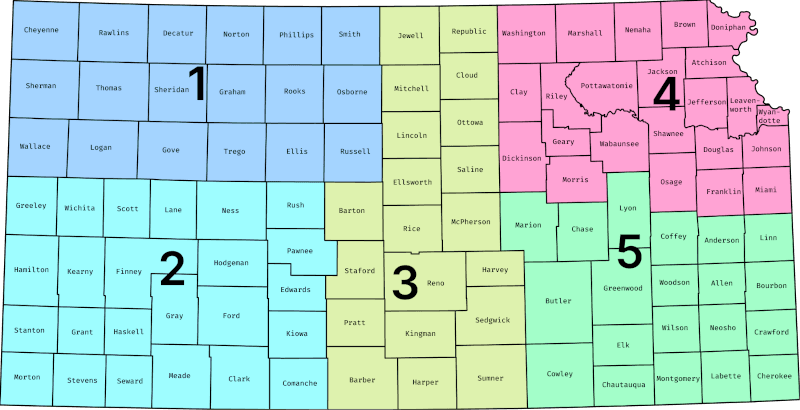
The Kansas Association of Conservation Districts identifies the Atchison County Conservation District as a political subdivision of state government established in 1943. That makes it a long-running public institution, not a temporary project or a private advisory group, with a direct role in handling soil, water and related natural-resource concerns in Atchison County, Kansas.
Its stated mission is to take available technical, financial and educational resources, whatever their source, and coordinate them so they meet the needs of local land users. In practical terms, that means the district is built to help farmers, ranchers and rural property owners solve on-the-ground problems that can show up as gullies after heavy rain, muddy ditches, stressed pastures or unstable streambanks.
What help landowners can get
The Kansas Department of Agriculture says conservation districts administer state cost-share programs that provide financial assistance to landowners to install conservation practices. The same districts also provide information and education to landowners, schools and the general public about soil and water conservation issues.
The practices named by the Kansas Association of Conservation Districts are the kinds of fixes that matter across rural Atchison County: cover crops, terraces, grassed waterways, livestock water systems, pasture improvements and streambank work. Each one addresses a different problem, but they all aim at the same result: keep soil in place, slow runoff, protect water quality and make land more resilient during heavy rain or dry stretches.
Cover crops can protect bare ground between growing seasons. Terraces and grassed waterways can move water safely across sloping fields instead of letting it cut channels through topsoil. Livestock water systems and pasture improvements can help keep animals out of sensitive areas where erosion starts fast and recovery is slow. Streambank work matters where falling banks send sediment into local waterways and onto neighboring property.
How the cost-share system works
KACD says state cost-share program funds are allocated to each conservation district on July 1, the start of the state fiscal year. Additional financial assistance is directed toward water-quality impairments identified in river segments and lakes through the Total Maximum Daily Loads process.
That structure makes the district more than a general information desk. It is a local gateway to state-backed conservation dollars that are tied to specific environmental problems. For landowners, that means the district can help connect a soil or water issue on a specific tract with the kind of assistance state programs are designed to support.
The timing also matters. Because funds are set at the start of the state fiscal year, the district operates as part of a larger, structured public system rather than an ad hoc relief effort after damage is already done. That is one reason landowners often look to the district before erosion becomes a bigger repair bill or runoff becomes a neighbor dispute.
Why neighboring property owners care too
Soil loss rarely stops at one fence line. Sediment that leaves a field can clog a roadside ditch, burden a neighbor’s drainage, or move downstream into a creek and the wider Missouri River watershed. That is why conservation district work in Atchison County is not only about one operator’s land management; it is about how one property affects the ground and water around it.
The county’s own water history shows why that matters. A 2022 WIBW report said Atchison implemented mandatory water conservation measures because of record-low levels in the Missouri River. Low river stages make water stewardship feel immediate, but the same logic applies to soil: when land sheds too much dirt and water too quickly, the cost is shared by neighbors, local infrastructure and downstream waters.
In that sense, the district’s role is practical and preventative. It helps landowners address the problems that create sediment, reduce infiltration and increase pressure on ditches, creeks and reservoirs. The sooner those fixes happen, the less likely a small erosion issue turns into a larger public one.
Why Kansas created conservation districts in the first place
The Kansas Legislative Research Department says severe soil erosion during the Dust Bowl in the 1930s prompted the Conservation Districts Law. That history still shapes how conservation is organized in Kansas today: districts operate under state law and have taxing authority, which gives them a formal public role at the county level.
KACD, established in 1944, is a voluntary, non-governmental, nonprofit, incorporated organization that represents local conservation districts in Kansas’s 105 counties. Its water-resource material says local districts offer technical and financial assistance to help producers plan and implement conservation practices that improve water quality and conserve water use.
That statewide structure explains why the Atchison County district matters even to residents who do not farm. It is part of a Kansas system created to keep soil from blowing away, water from running off too fast and local land from degrading in ways that eventually affect everyone downstream. For Atchison County, the district is the public tool that turns conservation from an abstract idea into a practical county service.
This article was produced by Prism’s automated news system from verified source data, official records, and press releases, then run through automated quality and moderation checks before publishing. The system is built and supervised by the people who set the standards it runs under. Read our full AI policy.
Did this article answer your question?