Glacial Hills Scenic Byway offers year-round views near Atchison
A 63-mile route just off Atchison packs farm visits, sacred spaces, and Lewis and Clark history into one low-cost day. The best stops sit close enough to downtown to make a simple loop.
Atchison sits on one of northeast Kansas’s most useful short drives: the Glacial Hills Scenic Byway, a 63-mile route shaped by ancient glaciers and tied to some of the state’s oldest communities. For families, history lovers, and weekend explorers, the appeal is practical as much as scenic, with a day trip that can move from goats and farm walks to monastery architecture and Lewis and Clark history without ever feeling rushed.
A loop that starts in Atchison
The easiest way to use the byway is as a one-day Atchison loop, beginning in town and working outward along the river-bluff corridor. Kansas Tourism describes the route as a place for historical amenities, unusual landscapes, and captivating communities, and Atchison fits that description neatly with brick-lined streets, historic homes, and Missouri River views. The byway’s setting changes with the season: spring greenery along the hills, summer farm activity, autumn color, and winter views that open wide across the valley.
Because the corridor connects Atchison, Highland, Leavenworth, Troy, and White Cloud, the trip works whether you want to stay close to home or build a longer northeast Kansas drive. The landscape itself is the draw, but the stops give it structure: one farm visit, one heritage site, one museum stop, and one historic campus can fill a full day without stretching the budget.
Morning on the farm at Providence Hill
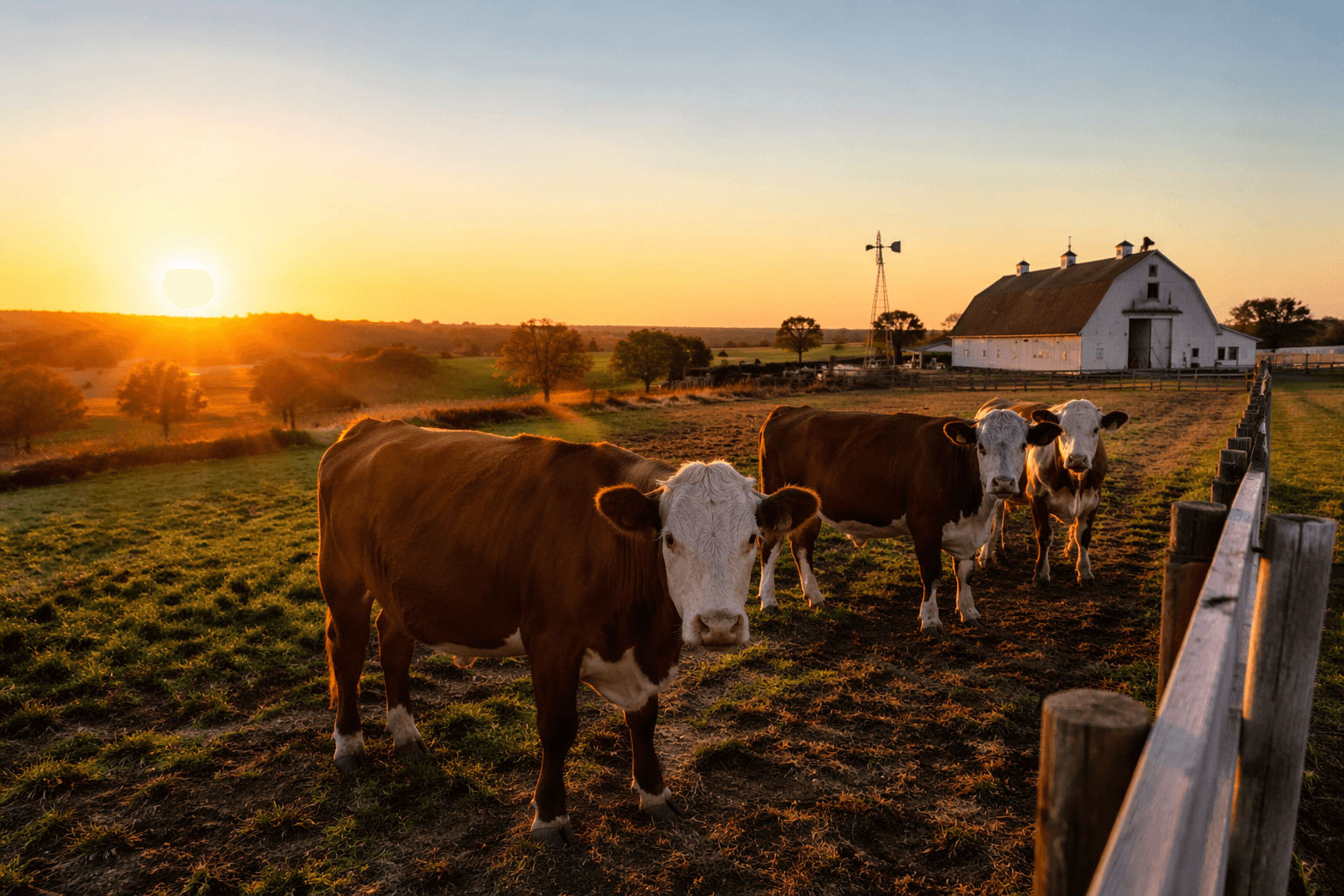
Start at Providence Hill Farm, 8096 Pratt Road in Atchison, a registered agritourism stop in Kansas Tourism’s network. The farm is a small family operation built around goats and visitor experiences, including guided farm walks, outdoor yoga, soap making, plant cultivation, wood-fired baking, and an on-site store with artisan bath and body products. That mix makes it especially useful for families with younger children, since the animals and hands-on activities give the day an easy, low-pressure start.
Kansas Tourism also highlights goat-led hiking and yoga, plus workshops on soaps and cheeses made from goat’s milk. That gives the stop a broader appeal than a simple petting-farm visit: it is part working farm, part classroom, part local shop. For anyone bringing visiting relatives to Atchison County, it is the kind of stop that feels memorable without requiring a ticketed event or a full afternoon.
Midday history at the river and the trail
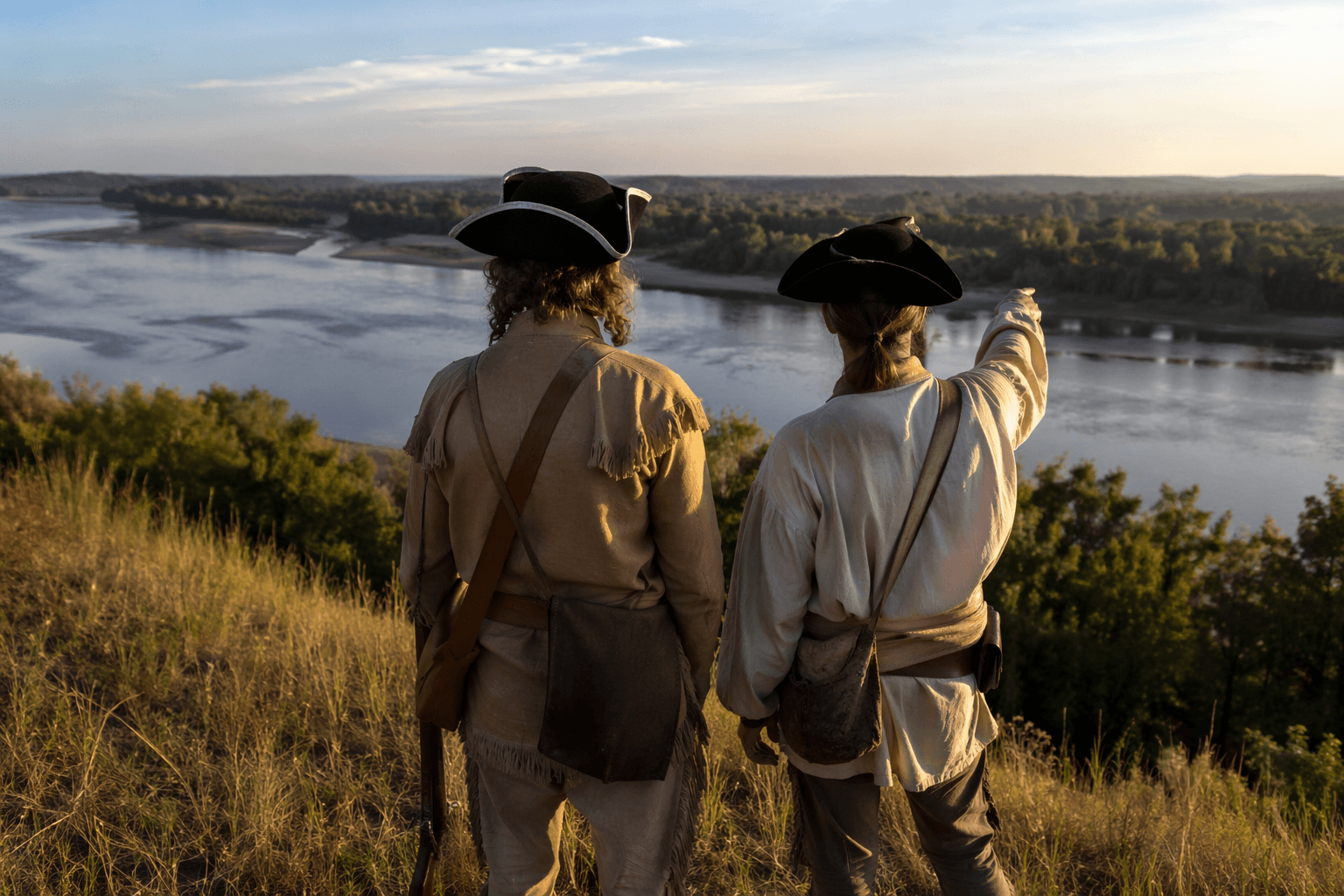
From the farm, head back toward the riverfront and the Independence Creek Lewis & Clark Historic Site. This is one of the clearest places in the county to connect scenery with national history, because Lewis and Clark camped there on July 4, 1804. The site covers 13.5 acres of native grasses and wildflowers and includes a recreated Kanza Earthlodge, which makes it more than a marker on a map.
The National Park Service connects the site to a hiking and biking trail leading to the Atchison Riverfront, so it can work as a walkable break in the middle of the day. That matters for families and casual visitors because it gives the route a free, outdoor stop with room to move around rather than another indoor museum room. It also places Atchison squarely inside the larger story of river travel, Native history, and early U.S. exploration that defines the Glacial Hills corridor.
An inexpensive museum stop on South 10th Street
A few blocks away, the Atchison County Historical Museum at 200 South 10th St. adds the county’s local memory to the day. Admission is $5 for adults and $1 for children 12 and under, which keeps it one of the most affordable ways to spend an hour or two indoors. The museum’s interpretation includes Lewis and Clark, Amelia Earhart, Jesse Stone, David Rice Atchison, and the Atchison County Railroad, so it ties the byway’s big historical themes back to the county’s own people and institutions.
That mix is useful because it broadens the trip beyond one famous name. A visitor can move from expedition history to aviation history to railroad history in a single stop, which makes the museum a good choice for history buffs and for anyone trying to explain Atchison to out-of-town guests without overcomplicating the day.
An afternoon at Mount St. Scholastica
Finish the core route at Mount St. Scholastica, 801 S. 8th Street in Atchison, where the Benedictine Sisters have been part of the city since 1863. The monastery offers tours Monday through Saturday by appointment only, so it fits best as a planned afternoon stop rather than a spontaneous one. The building’s marble, large rose window, and stained glass honoring seven martyred women saints give the site the kind of architectural and spiritual detail that rewards a slower visit.
The sisters describe their mission through prayer, community, and care of the earth, which helps explain why the campus remains central to Atchison’s identity. For travelers who care as much about place as about sightseeing, Mount St. Scholastica gives the byway one of its most distinctive stops: a living religious community whose history stretches back more than 160 years.
If time remains, add Amelia Earhart
For a final downtown stop, the Amelia Earhart Birthplace Museum at 223 N. Terrace Street adds another layer to the county’s story. The Gothic Revival house was built in 1861, and the surrounding Amelia Earhart Historical District was listed on the National Register on February 1, 2002. That makes it a strong closing stop for a route built around Atchison’s most recognizable names and historic places.
The museum also fits the broader byway theme because Kansas Tourism identifies the Glacial Hills corridor as a place where landscapes and major historical sites coexist. Earhart’s birthplace turns that idea into a single address, and it gives the day trip a familiar figure that most visitors already know.
Why this route works in every season
The Glacial Hills Scenic Byway is not a one-time event or a seasonal festival route. The Federal Highway Administration lists it as a state byway designated in 2003, which reinforces its place as a long-established travel corridor rather than a temporary attraction. Kansas Tourism describes the region as home to some of the state’s oldest communities, and that longevity is part of the appeal for Atchison County residents looking for an easy recommendation when relatives come to town.
The route also carries enough history to keep repeat visits interesting. Kansas Tourism links the corridor to Fort Leavenworth, the Pony Express era, and communities where early statesmen made their homes. In other words, the scenery is only half the story. The rest is a compact stretch of Kansas where river bluffs, farm stops, monasteries, museums, and expedition history all sit close enough together to turn one low-cost day into a full local experience.
This article was produced by Prism’s automated news system from verified source data, official records, and press releases, then run through automated quality and moderation checks before publishing. The system is built and supervised by the people who set the standards it runs under. Read our full AI policy.
Know something we missed? Have a correction or additional information?
Submit a Tip