Jones Bluff Park offers prime birding along the Alabama River
Jones Bluff Park's Alabama River edge draws riparian birds, with fall and spring the best seasons and a direct link to Woodruff Lake's recreation network.
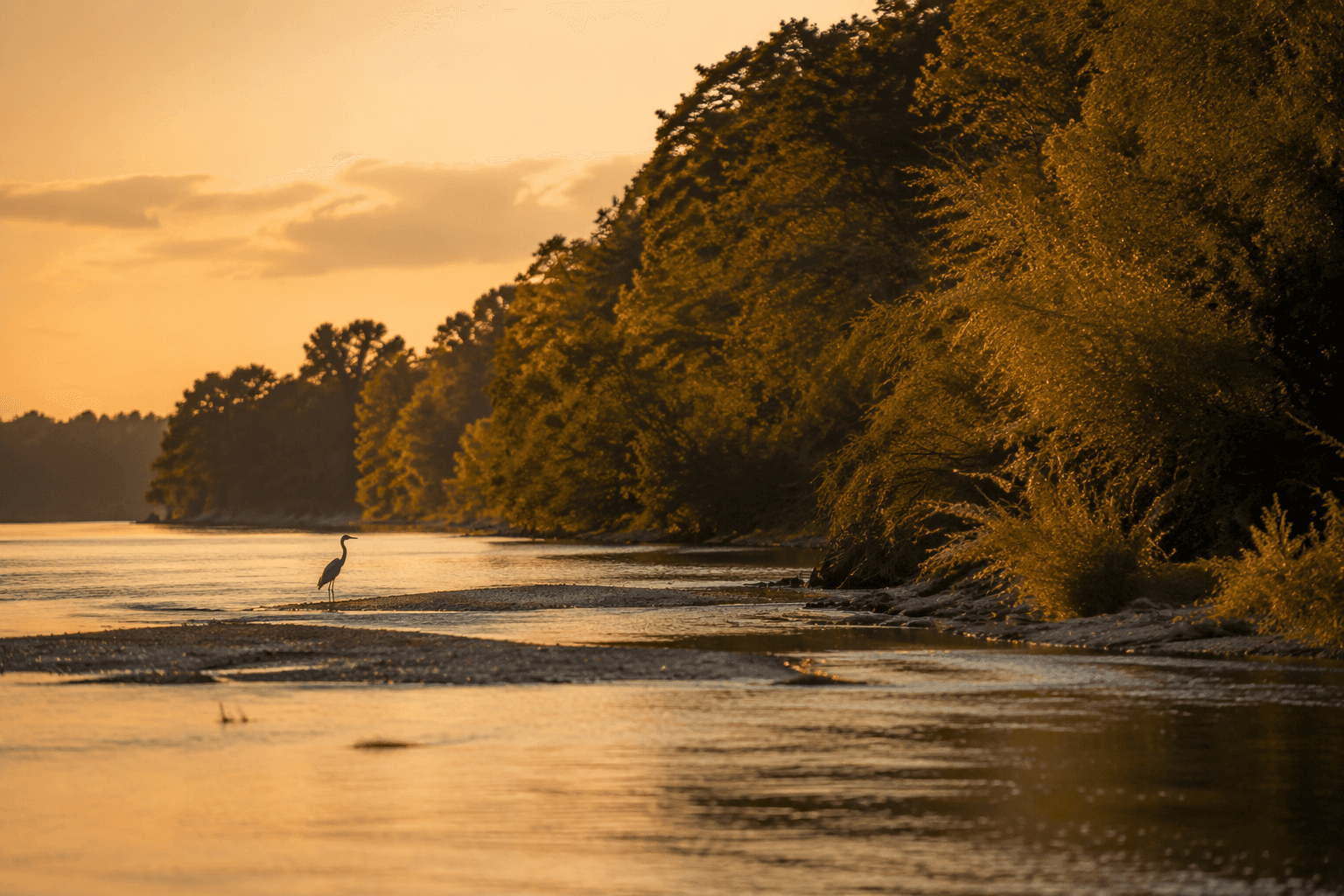
Jones Bluff Park gives Autauga County birders a compact but unusually productive slice of the Alabama River. Also known as Bob Woodruff Park, it is listed by Alabama Birding Trails as a fall and spring destination, with a river border that pulls in riparian species and gives the site a clear birding identity.
What makes Jones Bluff Park distinct
The park is not just another patch of green space along the water. Alabama Birding Trails describes Jones Bluff Park as an extremely productive and diverse area, which is the kind of habitat note that matters when planning a trip around birds rather than scenery alone. The defining feature is the trail bordering the Alabama River, where the river edge itself becomes the attraction.
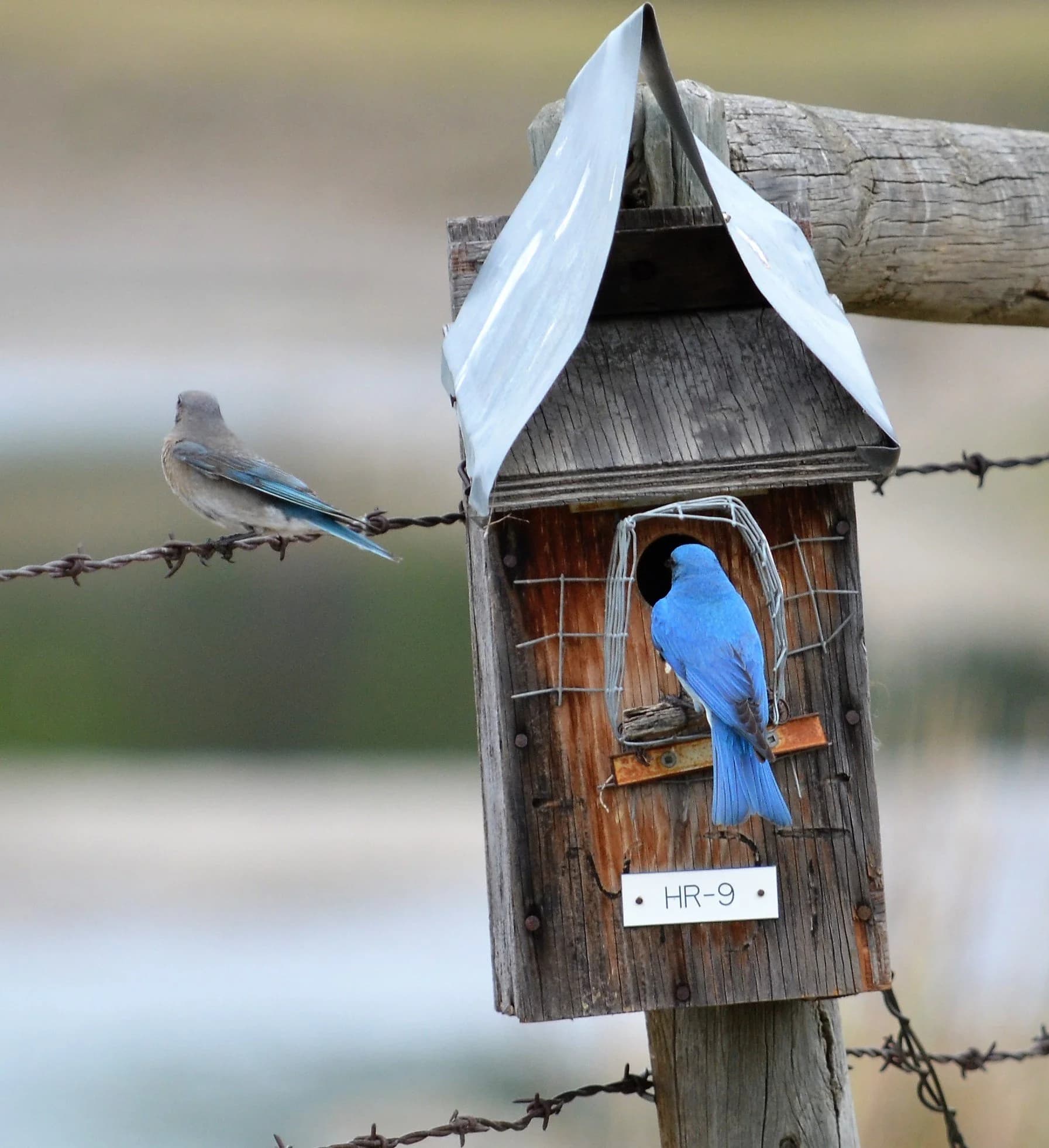
That setting is what makes the park useful for a practical birding visit. Riverfront habitat concentrates food, movement, and cover in a way that inland lawns or picnic grounds do not, so the site can produce a wider mix of species in a smaller footprint. At Jones Bluff Park, that means a visitor can stand along the Alabama River and look for Ruby-throated Hummingbirds, Louisiana Waterthrushes, Prothonotary Warblers, Ospreys, Double-crested Cormorants, and several species of swallows.
Those names matter because they tell you what kind of outing to expect. Hummingbirds and warblers point to smaller birds moving through layered vegetation, while ospreys and cormorants signal open-water hunting along the reservoir and river corridor. Swallows add another clue, since their presence usually rewards patient scanning of the water and airspace rather than a quick walk-through.
When to go and how to read the seasons
Alabama Birding Trails marks Jones Bluff Park as best in fall and spring, and that timing fits the broader rhythm of bird movement along river corridors. Migration seasons are when a productive site can feel especially active, because birds passing through central Alabama use the river edge as a travel lane, feeding stop, and resting point. For a local day trip, those seasons are the most efficient bet if the goal is variety.
The site is still worth understanding outside migration windows, but the fall and spring designation is the clearest planning signal. If you want the best odds of seeing the species listed for the park, aim for those shoulder seasons and give yourself time to watch the waterline, the tree edges, and any open stretches where birds cross between cover. A rushed visit is less likely to reward you than a patient scan of the border habitat.
A realistic trip here is less about checking off a long list than about paying attention to a few specific layers of habitat. The river edge can produce birds that move quickly and do not stay in obvious places, so the most useful approach is to slow down, watch for movement over the water, and expect the site to show its best results in brief but memorable bursts.
The reservoir behind the scenery
Jones Bluff Park sits inside a much larger engineered landscape. Outdoor Alabama says Jones Bluff Reservoir is also known as R. E. Bob Woodruff Lake, and that it impounds the Alabama River between Montgomery and Selma in central Alabama. The same source says the Robert F. Henry Lock and Dam created a 12,510-acre reservoir that provides navigation, hydroelectric power generation, and recreation.
That context explains why the birding habitat at Jones Bluff Park has real scale. This is not a small ornamental pond or isolated park lake. It is part of a river system shaped by federal infrastructure, where water management, navigation, and recreation all intersect. For birders, that usually means more varied shoreline conditions and a stronger chance of finding species associated with moving water and large open reaches.
The Army Corps of Engineers built the lock-and-dam system for functions that still matter day to day. Navigation and hydroelectric power are major public uses, but the reservoir’s recreational role is just as important for people on the ground. Jones Bluff Park inherits that larger system, which is why a birding stop here is also a lesson in how working infrastructure can create public outdoor space.
A practical stop inside a bigger recreation network
The U.S. Army Corps of Engineers says Woodruff Lake includes 11 parks and 31 public recreation areas, including 7 leased areas, with boat launching ramps around the lake. Another Corps page says the project features 11 parks that are well-developed for day use and that Woodruff Lake offers fishing, boating, water-skiing, picnicking, camping, swimming and hiking.
Those numbers matter because they show Jones Bluff Park is part of a broad access network, not an isolated local amenity. If you are planning a day on the water or a county outing that mixes birding with other activities, the lake system gives you options. It also means the park fits into a larger pattern of public use along the Alabama River, where access points matter as much as overlooks.
Jones Bluff Park’s former use as a U.S. Army Corps of Engineers boat launch adds another layer to its utility. A former launch site is already built for access, entry, and movement near the water, which helps explain why the park works well as a public recreation spot now. That kind of reuse is practical in the strongest sense: existing infrastructure keeps serving the public, just in a different form.
How it fits Autauga County
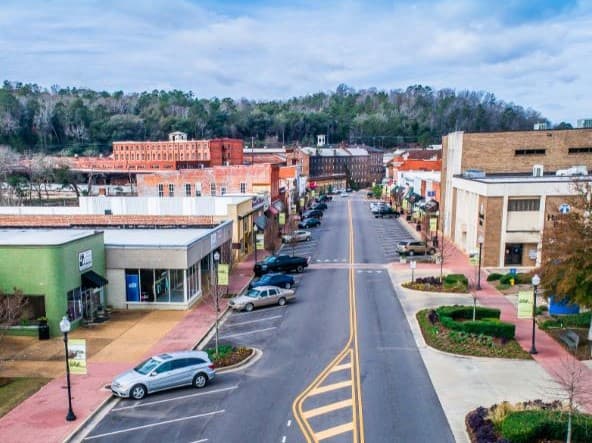
Autauga County sits in central Alabama’s Black Belt region, and Prattville is the county seat, according to Encyclopedia of Alabama. That places Jones Bluff Park within a county defined by river access, public land use, and a landscape where outdoor recreation is part of everyday geography rather than a niche attraction.
For Autauga County, Jones Bluff Park is useful because it gives the area a named riverfront birding site with a clear seasonal peak and a concrete species list. It also connects the county to the broader Bob Woodruff Lake system, which extends the value of one park into a wider set of ramps, day-use areas, and water-based recreation opportunities. In practical terms, the park is not just a scenic stop. It is a working piece of local outdoor infrastructure that helps make the Alabama River usable for residents and visitors alike.
That is why Jones Bluff Park stands out in the county’s outdoor profile. It offers a defined place to watch birds, a direct connection to the Alabama River, and a role inside the larger public recreation system that surrounds Woodruff Lake.
This article was produced by Prism’s automated news system from verified source data, official records, and press releases, then run through automated quality and moderation checks before publishing. The system is built and supervised by the people who set the standards it runs under. Read our full AI policy.
Did this article answer your question?