Baltimore braces for economic hit as Preakness leaves Pimlico
Preakness’s move to Laurel Park will pull tens of millions out of Baltimore’s spring economy. Hotels, bars, restaurants and Park Heights businesses now face a year without the city’s biggest racing weekend.
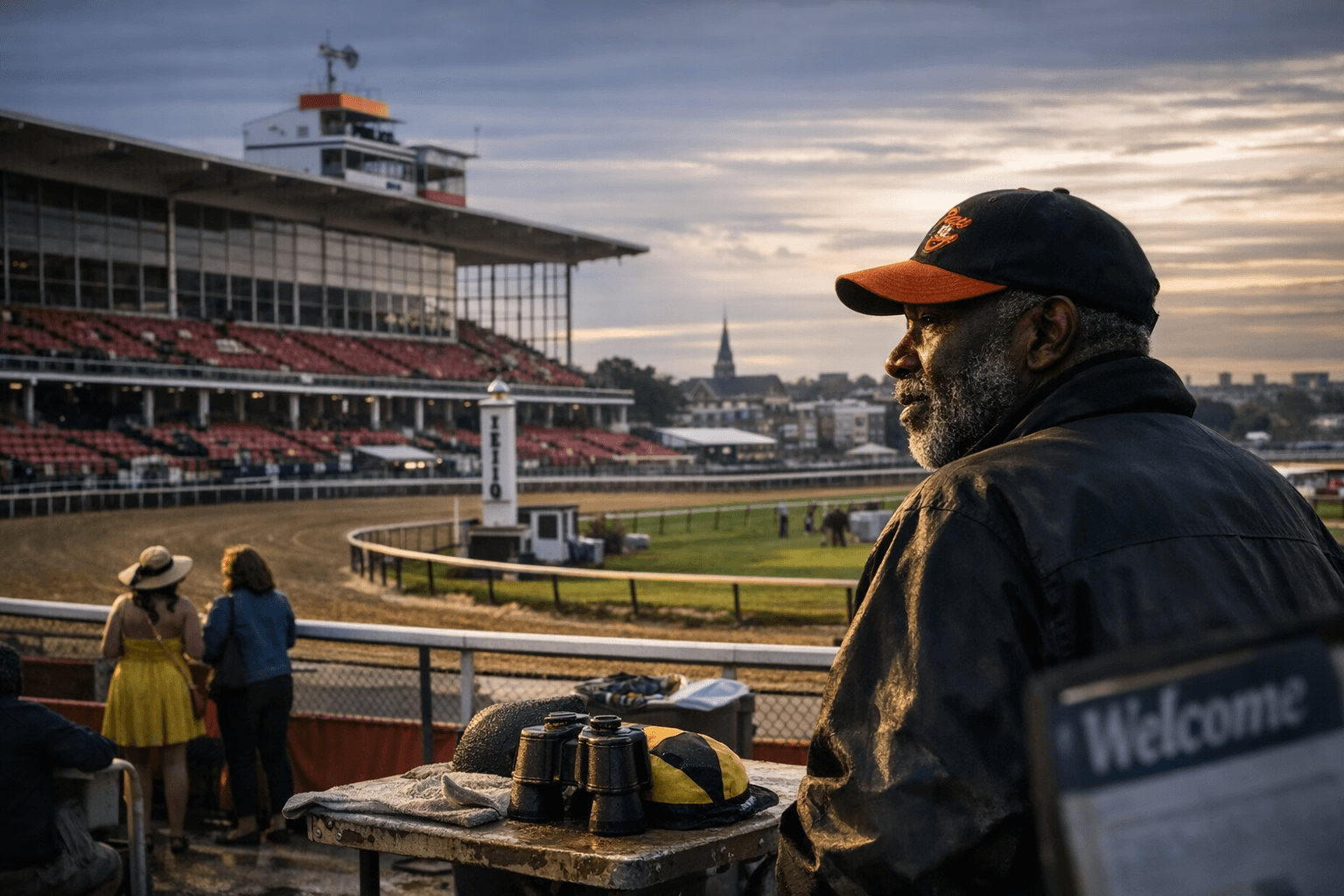
Baltimore is about to lose one of its biggest annual spending surges, and the hit is measured in tens of millions of dollars. With Preakness scheduled to run at Laurel Park on May 16 while Pimlico is rebuilt, hotels, bars, restaurants, vendors and rideshare drivers that usually count on the spring rush are bracing for a year without the race’s spillover money.
The loss goes beyond the infield and the track itself. Baltimore will miss out on the visitor spending that Preakness typically pulls into the city, along with proceeds from a 10% admissions and amusements tax on tickets. Racing officials said that tax brings in several hundred thousand dollars a year at most, but the broader economic effect is far larger. The most recent studies cited in the reporting, now eight years old, estimated Preakness’s economic impact at between $30 million and $40 million, based on attendance of more than 130,000.
Economist Anirban Basu said Baltimore will lose economic activity “in the tens of millions of dollars.” That missing money normally works its way through Downtown hotel rooms, Federal Hill bars, Inner Harbor restaurants and neighborhood businesses in Park Heights near Pimlico, where spring race week can mean a rare burst of customer traffic. Without Preakness, those businesses will have to find another way to fill tables, rooms and shifts that usually depend on one marquee weekend.
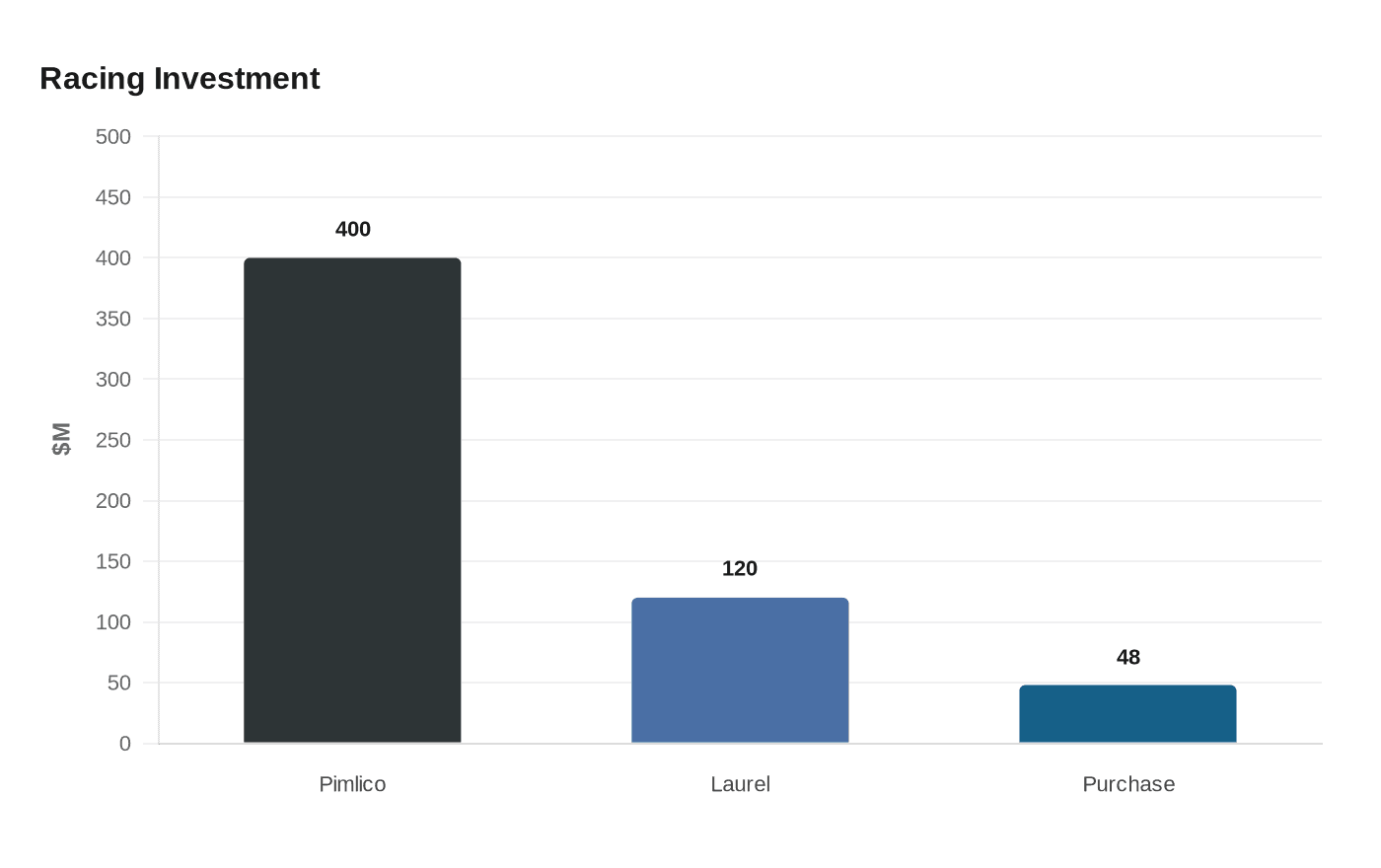
The state’s long-term answer is a massive rebuild. Maryland is investing more than $500 million to preserve the race’s future, including $400 million for Pimlico and $120 million to convert Laurel into a training center after the state approved a $48 million purchase of the property. Officials say the rebuilt Pimlico will support more than 500 jobs, and that the thoroughbred racing industry sustains more than 28,000 jobs statewide. But those gains are years away, while the immediate spending gap starts now.
That tension has shadowed the Preakness for years. Pimlico, which dates to 1870 and is widely described as the nation’s second-oldest racecourse, had already shown its age, with a 6,700-seat section of the grandstand closed for safety concerns. In 2019, Baltimore lawmakers voted 16-0 to oppose a bill that they feared could make it easier to move the race out of the city. Now, with the race temporarily gone anyway, the question is whether Baltimore can keep its racing economy intact long enough for the rebuild to pay off.
This article was produced by Prism’s automated news system from verified source data, official records, and press releases, then run through automated quality and moderation checks before publishing. The system is built and supervised by the people who set the standards it runs under. Read our full AI policy.
Did this article answer your question?