Baltimore City population falls again as taxes and policies drive out-migration
Baltimore city’s population slipped to 568,271 in 2024, while downtown office vacancy stayed high and more than $1 billion in commercial value disappeared.
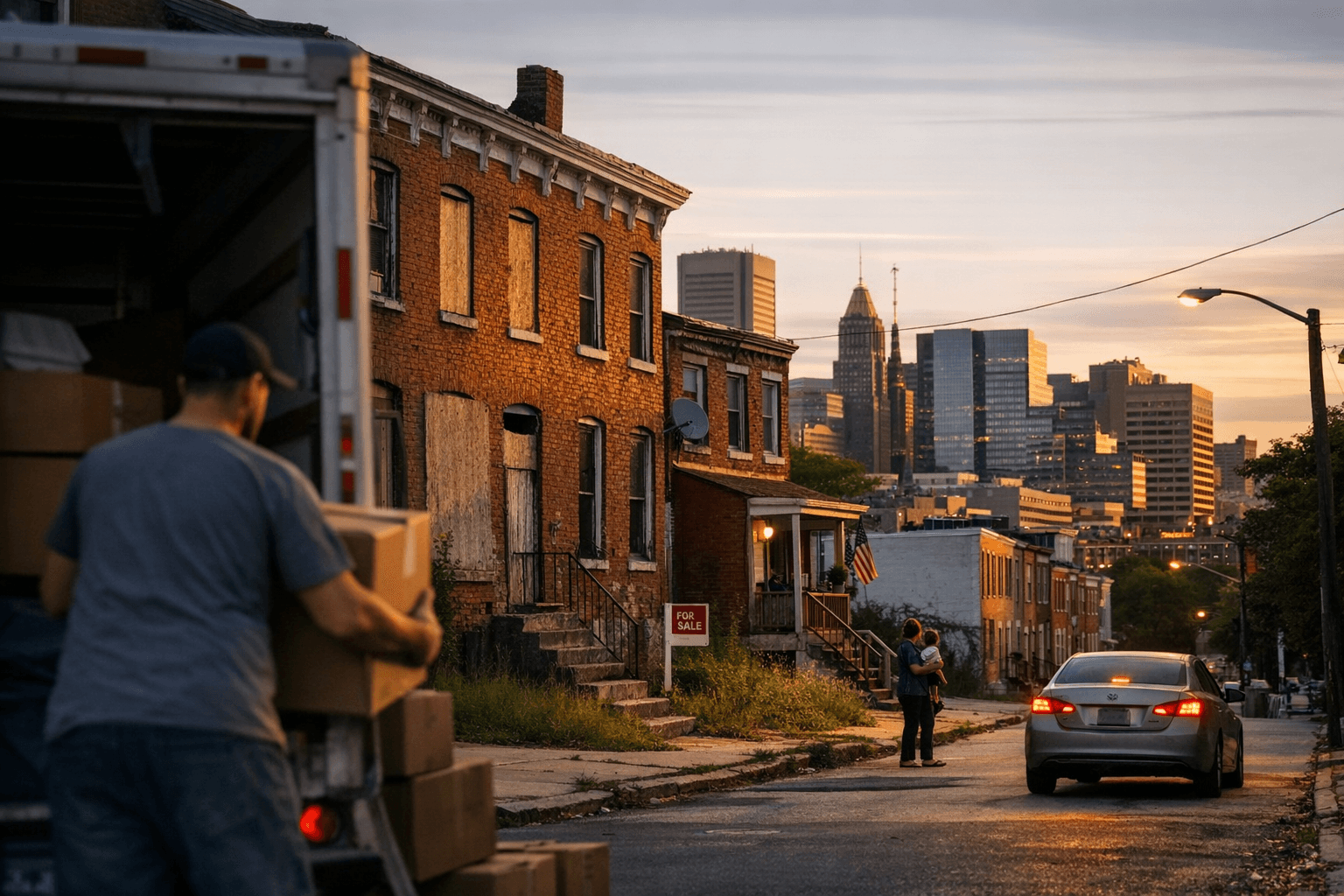
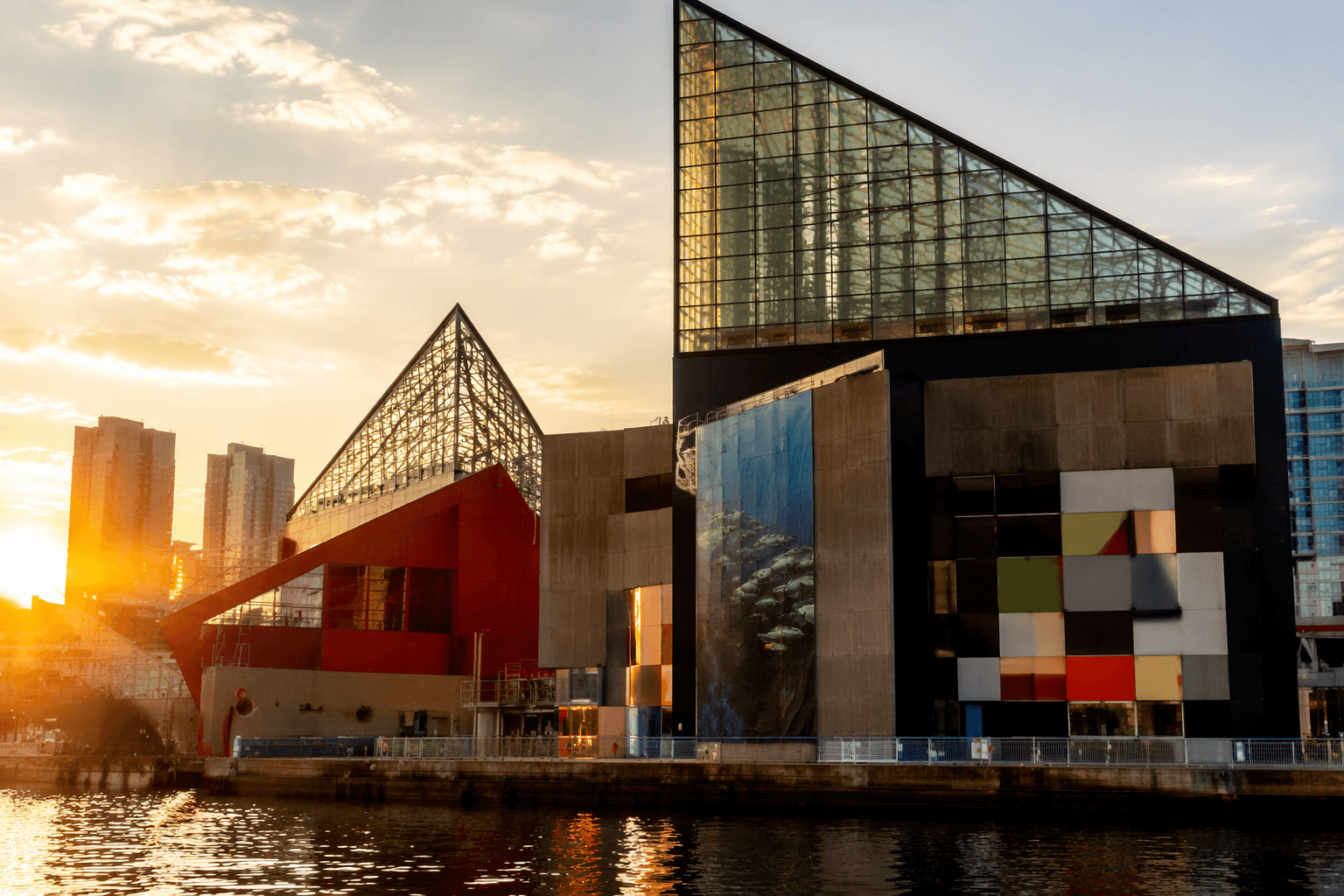
Baltimore’s population loss is now showing up in the places residents can see and tax bills can feel: downtown office towers, storefronts around the Inner Harbor, and the city’s shrinking commercial tax base. More than $1 billion in commercial property value has been erased from Baltimore since 2020, a slide that comes as office demand remains weak and more of the burden shifts toward homeowners.
The U.S. Census Bureau estimated Baltimore city’s population at 568,271 on July 1, 2024, down 3.0% from the April 1, 2020 census base of 585,720. That means the city lost 17,449 residents in four years. Baltimore City and Baltimore County also lost residents in 2023, and net domestic migration, more people leaving for other U.S. places than arriving from them, was the main driver of that decline.
Statewide, Maryland’s 2024 population growth was powered mainly by net migration, but that masks a continuing exodus to other states. A Maryland Chamber of Commerce analysis said Maryland lost 18,509 residents to other states from July 2023 to July 2024. That backdrop helps explain why the argument over Baltimore’s future has turned so sharply toward taxes, public safety, and the city’s ability to keep middle-income households and employers from moving elsewhere.
The pressure is especially visible in commercial real estate. CBRE reported Baltimore office vacancy at 20.8% in the fourth quarter of 2025, while also saying 3.1 million square feet of office space was leased during the year. Cushman & Wakefield said the fourth quarter of 2025 marked the fifth consecutive quarter of vacancy growth in the Baltimore region. Even with leasing activity, the market has not absorbed enough empty space to reverse the larger trend.
That weakness matters because downtown office values help support city revenue. Maryland Department of Assessments and Taxation notices show how volatile the broader property market has been, with 2024 reassessments covering 767,226 Group 3 properties and statewide values rising 23.4%, then 2025 reassessments covering 712,782 Group 1 properties and statewide values rising 20.1%. Baltimore’s own reassessment areas mean commercial properties can be revised on different schedules, but the result has been clear enough in city assessment data: a steep drop in downtown commercial value since 2020.
The policy debate has only intensified as Baltimore weighs how to keep people and jobs. Critics point to high taxes and laws such as the Community Trust Act, passed by the Maryland General Assembly in April 2026, while supporters say it limits when state and local authorities can share detainee information with ICE unless there is a judicial warrant. Baltimore’s broader public-safety debate also still carries the weight of the Department of Justice consent decree entered on April 7, 2017, a reminder that trust, policing, and population retention remain tightly linked.
Downtown Partnership of Baltimore’s 2025 State of Downtown report, released in April 2026, said downtown has seen gains in public safety, investment, tourism, residential growth, and workforce activity. But the office market and redevelopment pipeline are still in transition. For Baltimore, the central question is whether those gains can outpace the forces pushing residents, workers, and taxable value out of the city.
This article was produced by Prism’s automated news system from verified source data, official records, and press releases, then run through automated quality and moderation checks before publishing. The system is built and supervised by the people who set the standards it runs under. Read our full AI policy.
Did this article answer your question?