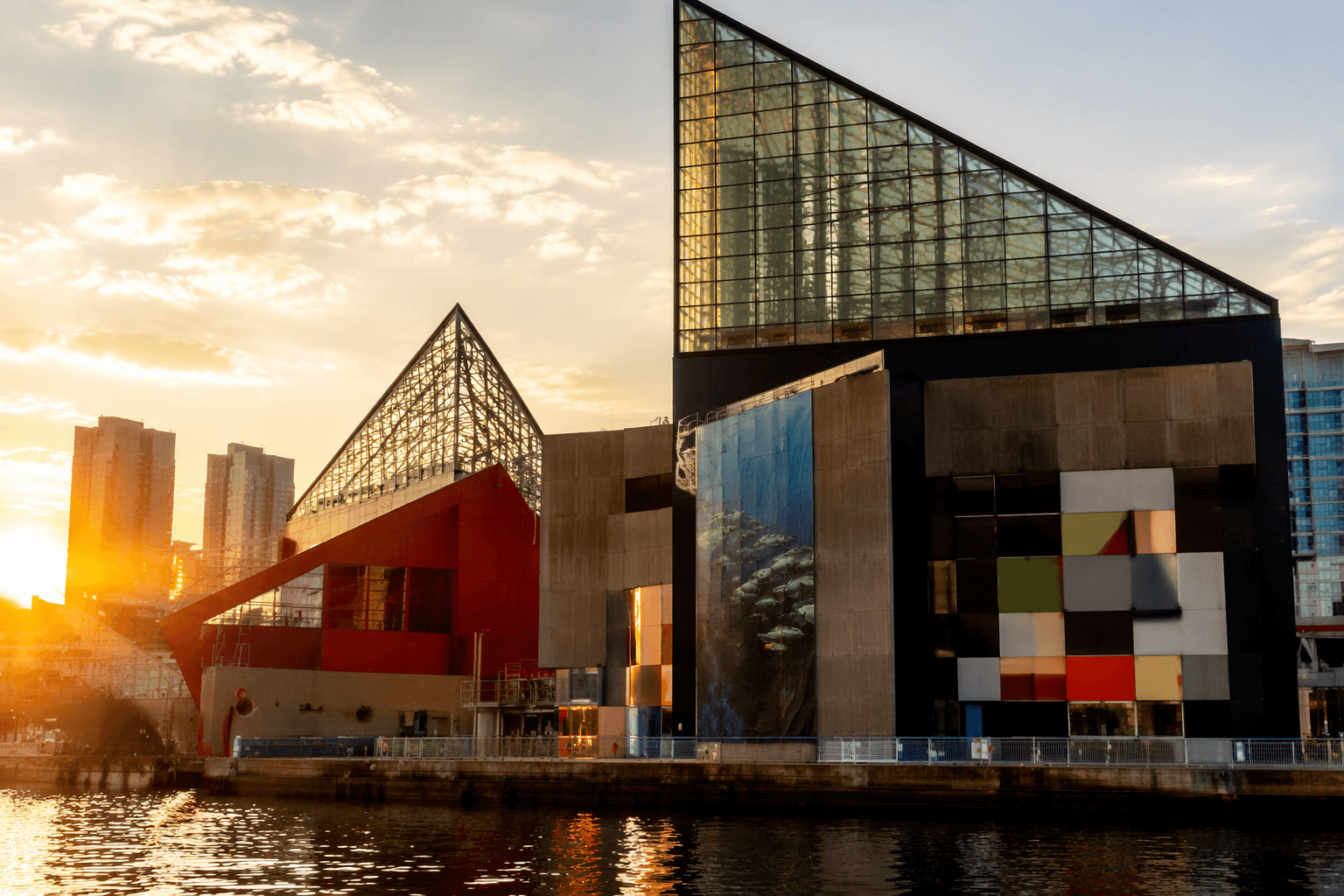
Carnegie Institution Leaves Baltimore After Century of Nobel Prize-Winning Research
Carnegie's Department of Embryology, where three Nobel Prizes were earned, is closing its Baltimore doors by end of 2026 after 113 years near Johns Hopkins.
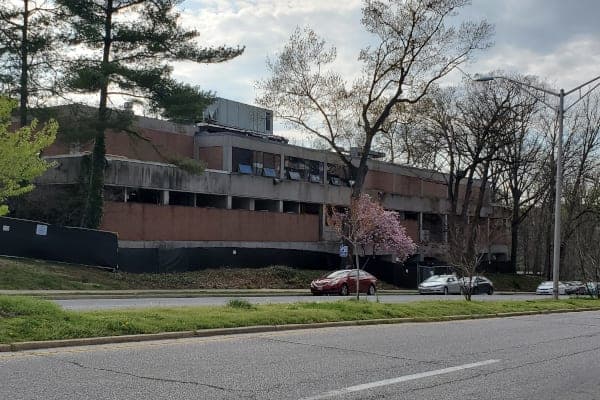
The work that earned Andrew Fire a Nobel Prize in 2006 happened at a Carnegie Institution laboratory on San Martin Drive, tucked just off the Johns Hopkins Homewood campus. By the end of 2026, that building will go quiet: Carnegie's Department of Embryology, after more than 113 years in Baltimore, is relocating to Pasadena, California, to anchor a new partnership with Caltech.
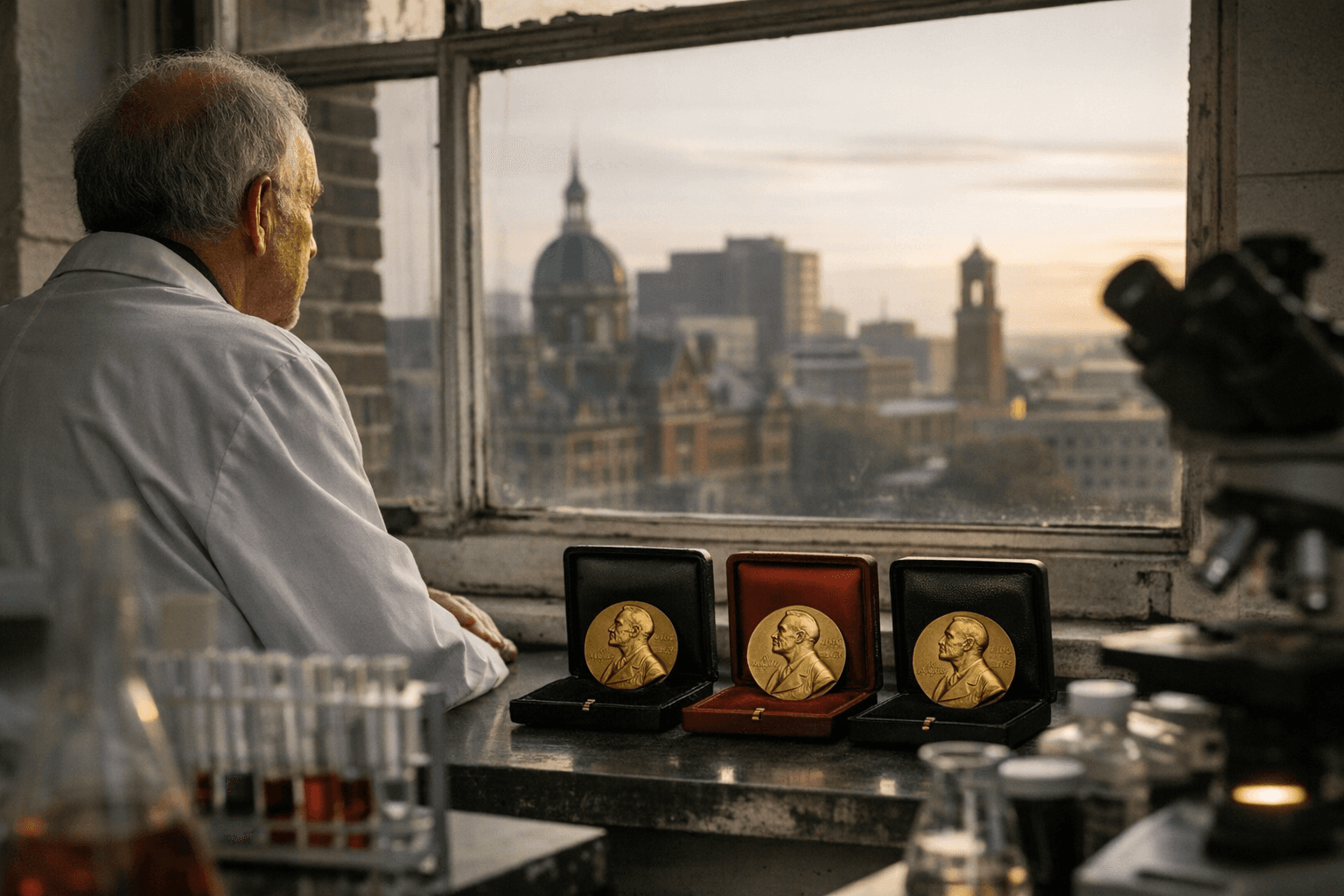
The departure closes a chapter that began in 1913, when the department was founded in direct affiliation with Johns Hopkins' anatomy department. Over that century, Carnegie's Baltimore operation produced three Nobel laureates in Physiology or Medicine: Alfred Hershey, recognized in 1969 for establishing that DNA, not protein, carries the genetic instructions for life; Barbara McClintock, the only woman to win an unshared Nobel in the category, honored in 1983 for discovering "jumping genes" that move along chromosomes; and Fire, who with Craig Mello uncovered RNA interference in the labs on San Martin Drive, transforming how scientists silence genes worldwide.
Carnegie's move is part of what the institution calls its "Path to Pasadena," a consolidation of its life-science divisions. Along with Plant Biology from Stanford and Global Ecology from Palo Alto, the Embryology department will converge on a single campus near Caltech. California Governor Gavin Newsom included $20 million for the new research facility in the state budget. The decision to leave Baltimore was announced in March 2020.
For the city, the loss reaches past prestige. Carnegie's building at 3520 San Martin Drive has for decades supported graduate training and postdoctoral fellowships linked to Hopkins' biology programs, a pipeline that fed high-skill research talent into Baltimore's scientific ecosystem. The department's proximity to Hopkins generated shared graduate seminars, faculty collaborations, and research ties that cannot simply be replicated from across the country.
What remains unaddressed publicly is what becomes of the ZGF Architects-designed building, which opened in 2005, and what happens to the researchers, graduate students, and technicians currently based in Baltimore who may not be able to follow the institution west.
The harder question is why the consolidation is happening now. Carnegie's broader institution has faced turbulence in recent years, including public controversy over the sale of its historic Washington, D.C. headquarters. Against that backdrop, pulling three dispersed departments into a single California campus reads as both strategic repositioning and an acknowledgment that geographically fragmented research operations are increasingly difficult to sustain.
Without a public plan for the San Martin Drive facility or for Baltimore-based staff, the city risks losing not only a world-class laboratory but the graduate training pipeline that quietly fed scientific talent into Hopkins and the broader research community for more than a century.
This article was produced by Prism’s automated news system from verified source data, official records, and press releases, then run through automated quality and moderation checks before publishing. The system is built and supervised by the people who set the standards it runs under. Read our full AI policy.
Did this article answer your question?