Big Island distillery turns local ingredients into spirits in Kona
Kona's 12th Hawaii Distiller is turning Big Island honey, cane and water into spirits, testing whether local distilling can become a real island industry.
A small distillery with big island stakes
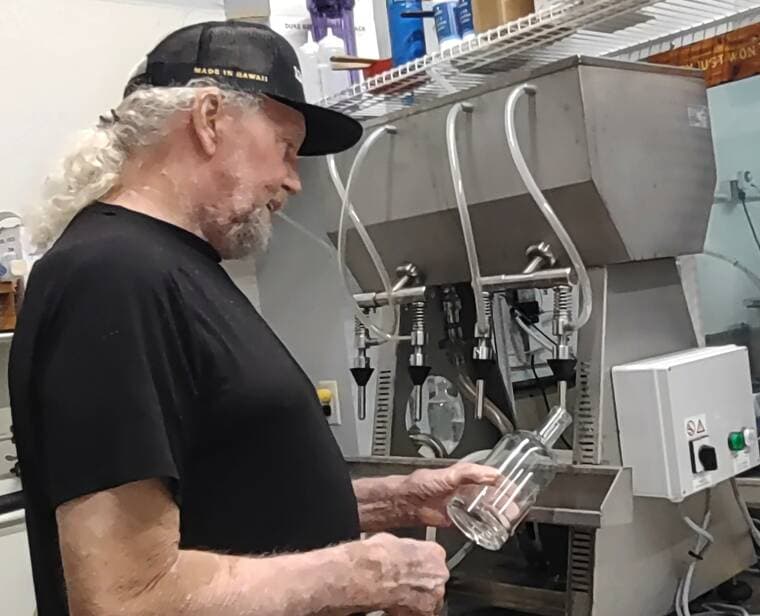
Kona’s 12th Hawaii Distiller is doing more than pouring rum and vodka. It is helping test whether Hawaii Island can build a real farm-to-bottle value chain around local ingredients, local labor and visitor-facing branding, instead of sending that economic activity off-island. The distillery says it has been licensed since 2017, opened after navigating federal and state licensing, and is the first distillery in Kona since the 1950s.
The scale still looks modest, but the market signal is meaningful. A count cited in the story put Hawaii at 15 distilleries a year earlier when both craft and commercial producers were included, and only one was on the Big Island at the time. That makes 12th Hawaii Distiller both a local outlier and a sign of how much room remains for island-based spirits production to grow.
Why the ingredients matter
The business says every spirit it makes is produced, bottled and labeled by hand on the Big Island. It also says it uses locally sourced ingredients and raw Hawaiian honey from the Big Island, and a directory description says it focuses on rum and vodka while using local ingredients when possible, including Hawaiian sugarcane and volcanic water.
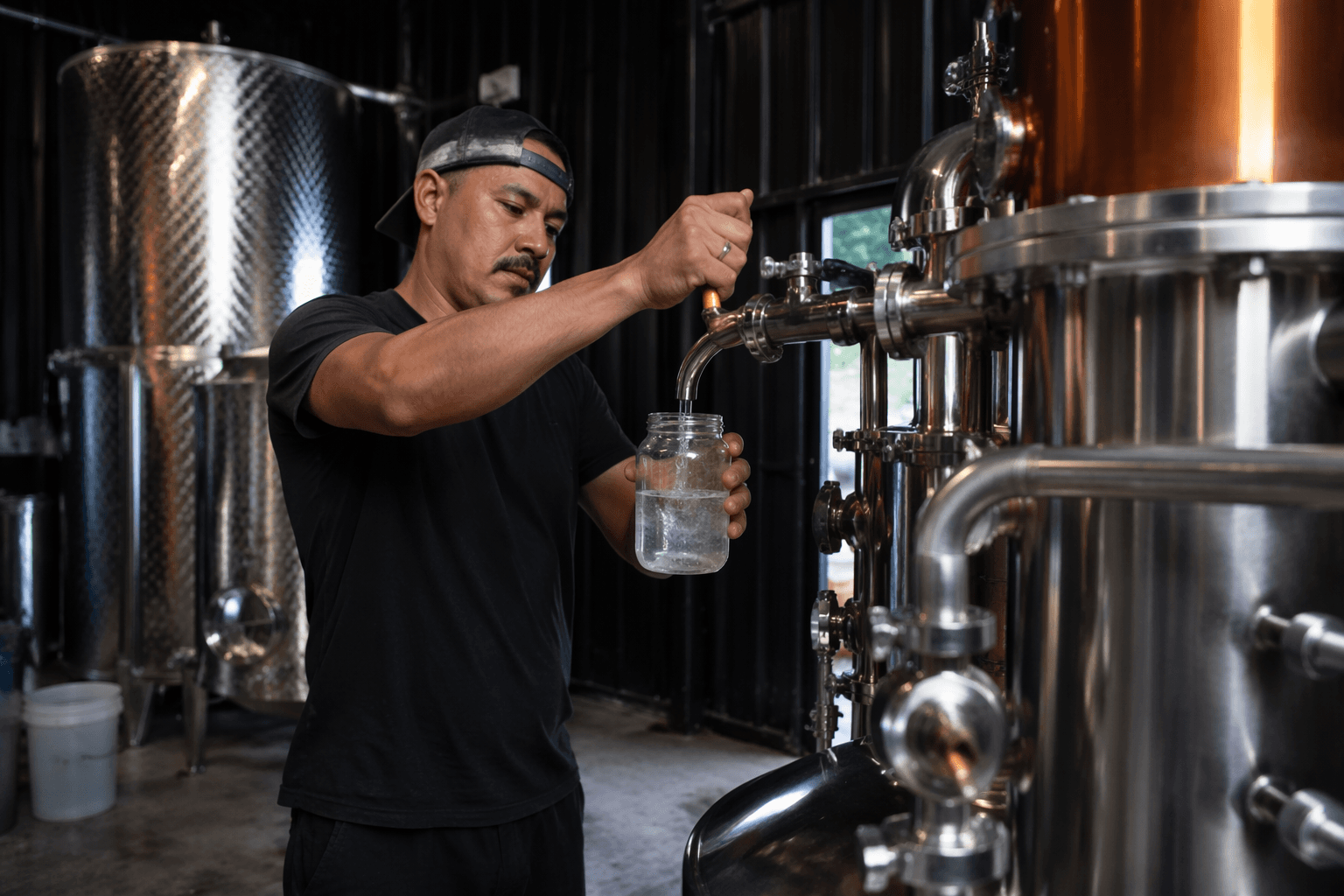
That sourcing model matters because it keeps more steps of the business on island. Honey, cane and water are not just brand details here; they are the raw materials of a local manufacturing chain that can create demand for farmers, processors, packagers, retailers and tour operators. When a distiller can credibly say the product is made, bottled and labeled locally, it strengthens the link between agriculture and higher-value manufacturing, which is exactly the kind of diversification many island economies need.
Farm Link Hawaii’s producer page reinforces that role by describing the distillery as the first in Kona since the 1950s and the 12th distiller in the state. For local growers, that kind of buyer can matter as much as a restaurant or specialty food maker, because it gives crops and hive products another outlet with a potentially higher margin than raw wholesale sales.
The licensing hurdle is part of the story
Distilling is not an easy business to enter, and the timeline here shows why the category remains small. The distillery says it has been licensed since 2017 and the business opened in 2018 after working through the licensing process. That is a useful reminder that spirits production has real regulatory friction, from state requirements to federal compliance, and that those hurdles can slow the pace of new entrants.
Those costs and delays help explain why local spirits often remain niche even when the branding is strong. Small-batch, hand-finished production can make for a compelling story in a tasting room or retail setting, but it also raises labor costs and limits scale. For Hawaii Island, the question is not whether a distillery can be built, but whether enough producers can survive the startup costs and supply challenges long enough to create a durable sector.
That is where the local-agriculture angle becomes important. If distillers can source more cane, honey and other inputs from Big Island farms, they can create a demand base that is less dependent on imports and more connected to the island’s own production system. That is also where state policy comes in, including efforts through the Department of Business, Economic Development & Tourism and the Agribusiness Development Corporation to support farm-based value-added industries and better farmland and infrastructure. Spirits may be a small slice of that agenda, but they fit the same economic logic.
Hawaii’s distilling map has grown unevenly
The Big Island story stands out even more when placed against the broader history of Hawaii’s spirits industry. Hawaii Beverage Guide says Maui was home to Old Lahaina Rum in 2003, Haleakala Distillers in 2004 and Ocean Vodka in 2005. Oahu’s Island Distillers started production in 2008, Kauai’s Koloa Rum opened in 2009, and Hali'imaile Distilling followed in 2010.
The next notable wave came in 2013, when Hawaii Beverage Guide says Hawaii Shochu Company and Ko Hana Rum were founded. That chronology helps explain why the Big Island has been a late entrant. Spirits production in the state has not grown evenly across the islands; it has clustered where tourism, land access, agriculture and investor interest lined up at the right time.
For readers in West Hawaii, that uneven growth is part of the point. Kona already has the visitor traffic, restaurant base and retail environment that can support premium local products. A distillery there can sell a story that is both geographic and agricultural, and that story can travel well with tourists looking for island-branded goods.
What would make local spirits a real growth sector
The key test is whether businesses like 12th Hawaii Distiller stay a branding play or become part of a bigger supply chain. If local honey, sugarcane and other inputs can be sourced consistently and affordably, the value stays on island longer. If not, the business risks relying on only a thin slice of local ingredients while the rest of the production model still depends on outside supply chains.
That is why this small distillery matters as an economic indicator. It suggests three things at once: Big Island agriculture can feed higher-value manufacturing, Kona can support niche production tied to tourism, and island businesses can still carve out new sectors even in a crowded regulatory environment. The fact that 12th Hawaii Distiller says it is handcrafting, bottling and labeling on the Big Island gives the model credibility, but the broader sector will only expand if more producers can clear the same licensing hurdles and find dependable local supply.
For now, the distillery is a compact example of what economic diversification on Hawaii Island can look like in practice. It is not a mass-market factory, and it is not trying to be. It is a local manufacturer trying to turn island-grown inputs into a higher-value product, and that makes it part of a larger conversation about how Kona, and the Big Island economy around it, keeps more of its own value at home.
Know something we missed? Have a correction or additional information?
Submit a Tip