Kona pushes to remove feral goats as Honolulu uses grazing for wildfire control
A 3.34-acre Waialae Iki park used goats and sheep to cut fire fuel, while Kona still works to clear feral goats from 100,000 acres and protect palila habitat.
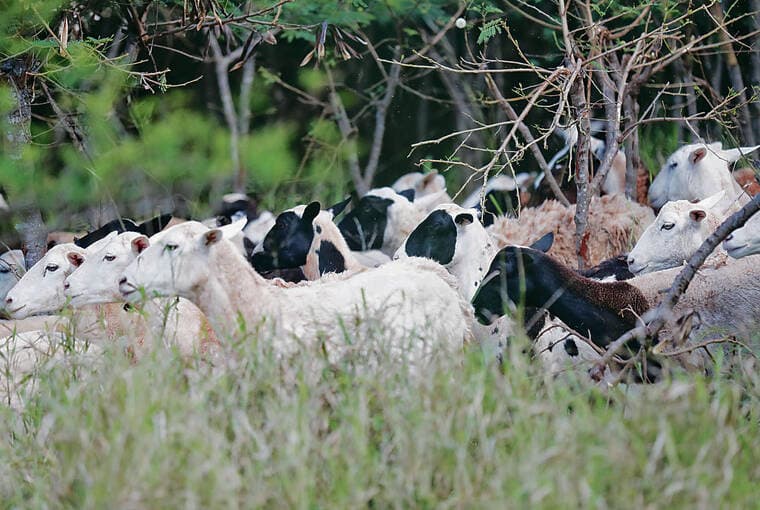
Honolulu’s wildfire strategy used goats and sheep as living mowers. In Kona and across Hawaii Island, the same animals are still the problem land managers are trying to remove.
At Laukahi Slopes Mini Park in Waialae Iki, goats and sheep traversed the thickets on April 25 as part of a targeted grazing project meant to reduce fuel for summer wildfires. The Honolulu Department of Parks and Recreation had already closed the 3.34-acre park from April 13 through May 3 for wildfire mitigation work, showing how tightly controlled the Oahu approach has to be to work.
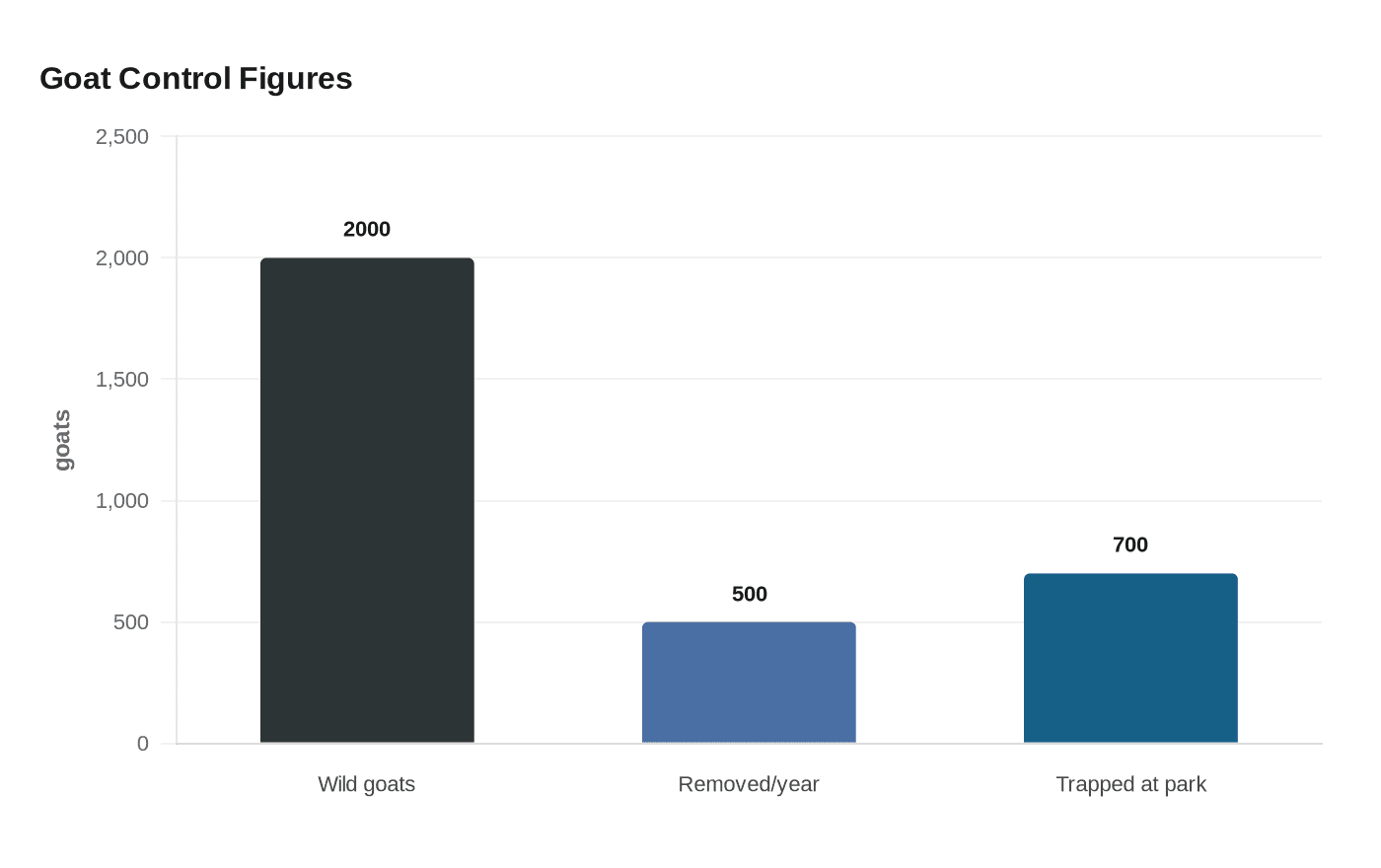
That model is much harder to copy on Hawaii Island. The Hawaii Department of Land and Natural Resources estimated in 2022 that about 2,000 wild goats roamed across 100,000 acres on the island, and said it removes about 500 goats a year from state lands through hunting and trapping. Some animals trapped on state lands were distributed to interested individuals, and some were shipped to Oahu for sale. At Puuhonua o Hōnaunau National Historical Park, an estimated 700 goats were eventually trapped and nearly 500 were given away to hunters or people using them for food.
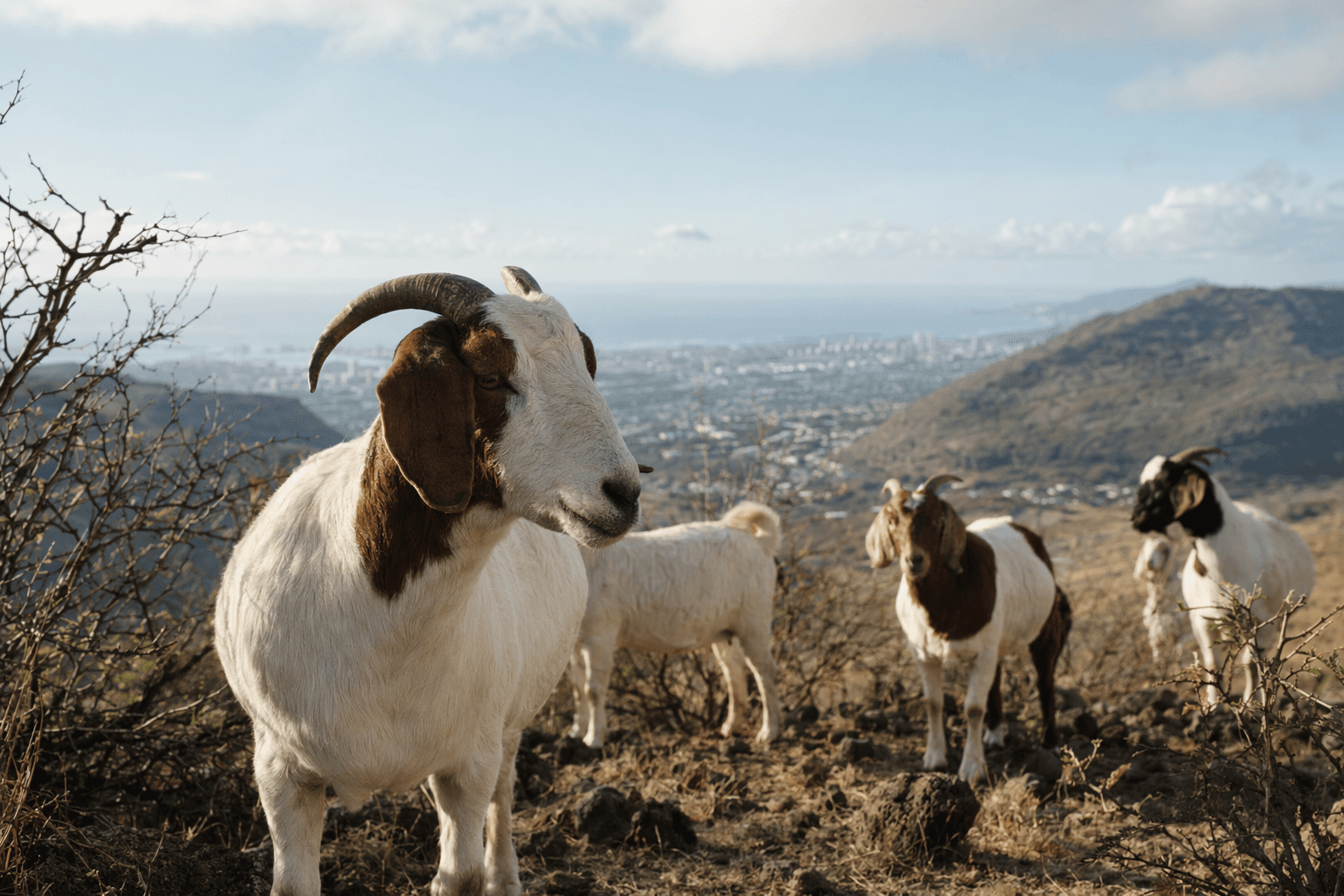
The difference comes down to scale, terrain and ecological tradeoffs. A fenced, 3.34-acre mini park can be managed as a short-term fire break, but Kona’s goat issue stretches across rougher country, where fencing, access and monitoring become far more difficult. University of Hawaii at Mānoa researchers have warned that feral goats can worsen wildfire risk by stripping native vegetation and leaving open ground for invasive fire-adapted species, turning the landscape into a more flammable patchwork. In that setting, adding more grazing animals can solve one problem only by deepening another.
That tension is not new. Sheep, goats and cattle were introduced to Hawaii Island in the late 1700s, and non-native browsing animals helped destroy high-elevation dry forest on Mauna Kea for more than 150 years. Territorial foresters removed nearly 50,000 feral sheep, goats and cattle from Mauna Kea in the 1930s and 1940s, including a 1935 roundup that took out more than 50,000 feral sheep. The modern fight has continued into the present, with DLNR scheduling animal control activities on Mauna Kea for April 23 and 24, 2025 to remove feral goats, feral sheep and mouflon hybrids from palila critical habitat.
For Kona, that history points to the hard answer behind the Honolulu comparison: targeted grazing may help on a small, enclosed site, but broad use of goats on Hawaii Island would risk native ecosystems that are already under pressure. Here, removal still looks like the safer tool.
This article was produced by Prism’s automated news system from verified source data, official records, and press releases, then run through automated quality and moderation checks before publishing. The system is built and supervised by the people who set the standards it runs under. Read our full AI policy.
Did this article answer your question?