State Launches Disaster Case Management Program After Historic Kona Low Flooding
While Oʻahu and Maui got immediate disaster case managers after the Kona Low, Big Island survivors are in the second wave, with a 90-day funding clock already ticking.
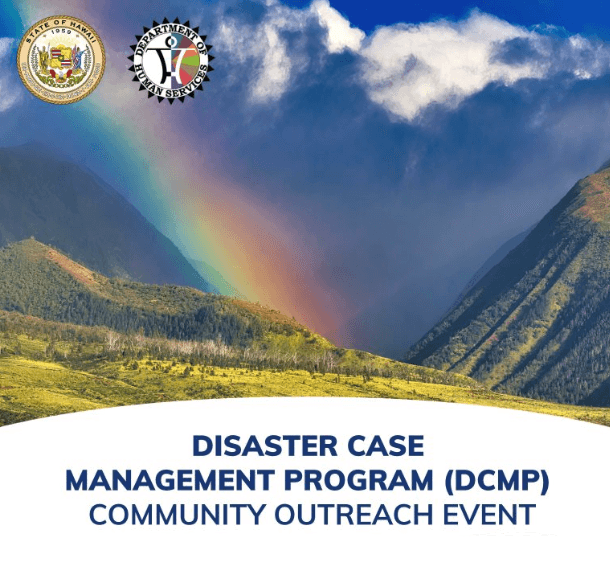
Hilo's daily rainfall record for March 14 had stood for only six years before the first Kona Low erased it completely, dropping 5.6 inches in a single day, more than double the previous mark of 2.8 inches set in 2018. Two storms and more than 20 inches of rain later, with flood damage stretching from Kealakekua to Eden Roc, Big Island survivors have a designated recovery path: call 211. The catch is that the state's new disaster case management program launched this week with the island in its second deployment phase, not its first.
Governor Josh Green and the Hawaiʻi Emergency Management Agency announced the Kona Low Interim Disaster Case Management Program on April 3, less than two weeks after the first storm struck on March 10. That pace is meaningful by comparison: the formal Disaster Case Management Program for Maui wildfire survivors did not launch until November 2023, more than three months after the August fires destroyed Lahaina. Green cited that delay as the lesson that shaped this response. "As we learned in the wake of the devastating 2023 Maui wildfires, connecting people affected with the services and support they need quickly is an essential part of recovery," he said. "We are proud to have built local capacity to enable us to launch this statewide interim Disaster Case Management Program less than two weeks after this Kona Low disaster."
The initial rollout prioritized Oʻahu and Maui County, with services on the Island of Hawaiʻi and Kauaʻi expected to "commence soon." No specific start date for Big Island enrollment was announced as of April 3.
When enrollment opens, the process flows through one contact point: 211, the Aloha United Way helpline. A trained Disaster Case Manager then reaches out to assess the survivor's needs and build an individualized recovery plan, including referrals to housing support, financial assistance, and damage assessment services. Case managers are required to arrange language access services for non-English speakers, a provision with direct relevance to Big Island communities with significant Filipino, Micronesian, and Spanish-speaking residents.
HIEMA selected Global Empowerment Mission as the lead coordinating organization, working alongside Catholic Charities Hawaiʻi, Aloha House, and Our Kūpuna. Up to 40 dedicated case managers are available statewide through the 90-day window, funded jointly by the state, the counties, and the Hawaiʻi Community Foundation.
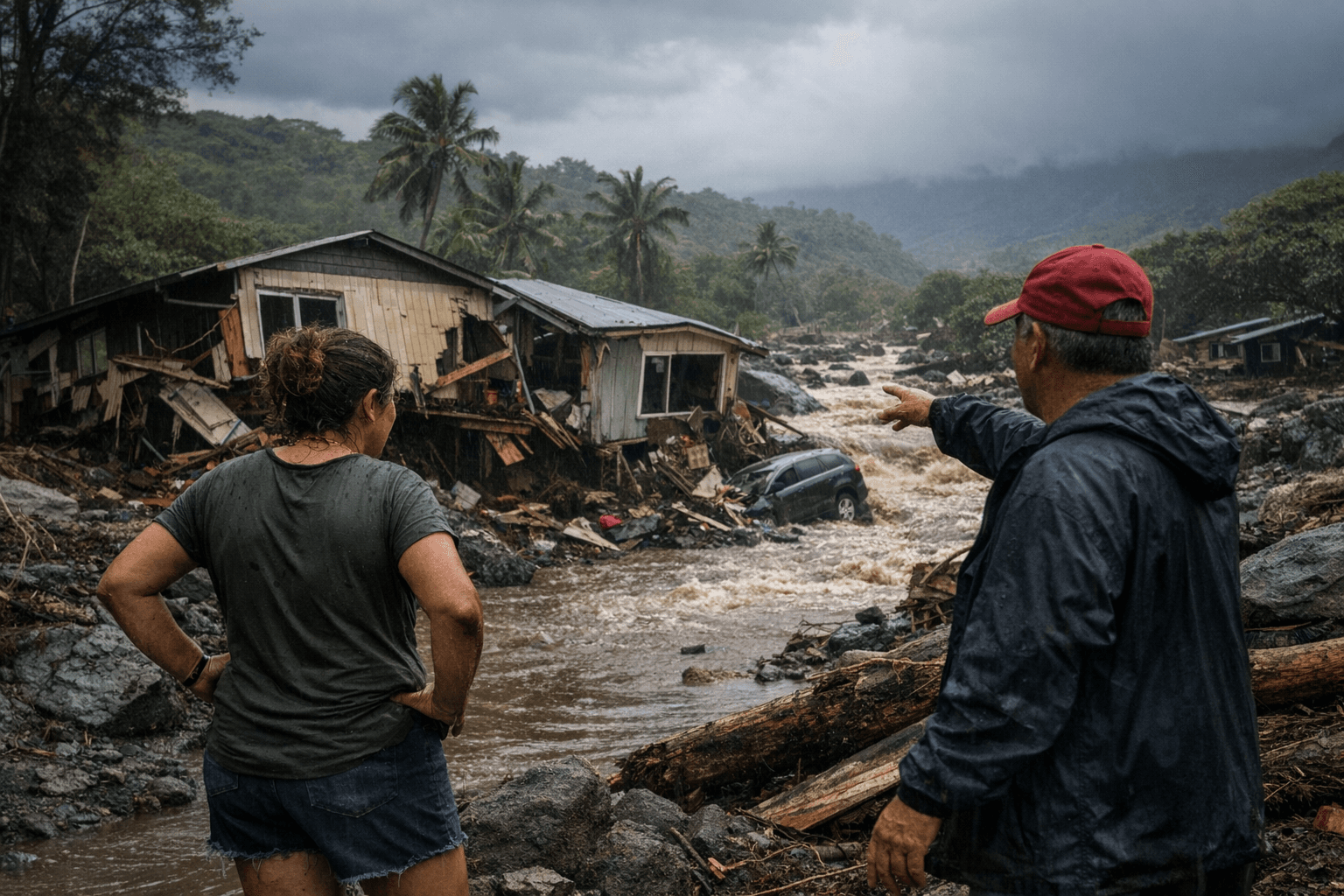
The documented need on the Big Island is substantial. At least 20 households and five commercial properties reported damage from the first storm, with flooding hitting Keaʻau, Kealakekua, Hawaiian Acres, Hawaiian Beaches, Hawaiian Paradise Park, Mountain View, Glenwood, ʻĀinaloa, and communities across the Puna district. Bayfront Highway in Hilo and Highway 11 both flooded; landslides and sinkholes were widespread. Statewide, the National Weather Service issued 166 Flash Flood Warnings and 149 Flood Advisories during the first storm alone.
The interim program bridges the gap while the state pursues a federal major disaster declaration, which would unlock significantly greater FEMA resources. That determination remained unresolved as of April 3. Governor Green also authorized $175 million in state funds for emergency housing, food, National Guard deployment, and short-term costs. How quickly Big Island services come online will determine how much of the 90-day case management window island survivors actually have access to.
This article was produced by Prism’s automated news system from verified source data, official records, and press releases, then run through automated quality and moderation checks before publishing. The system is built and supervised by the people who set the standards it runs under. Read our full AI policy.
Did this article answer your question?