Cleveland police page offers security checks, public safety details
Cleveland’s police page is a practical safety hub, with home checks, camera registry links and city-service tools that are easy to find but unevenly explained.
A city safety page that does more than list a phone number
The City of Cleveland Police Department page is built as a public-service tool, not just a contact sheet. It says the department serves more than 12,000 residents, plus an additional 4,000 Delta State University students whose campus sits within the city limits, which helps explain why police work here has to cover neighborhood calls, student life, downtown activity and campus-adjacent concerns.
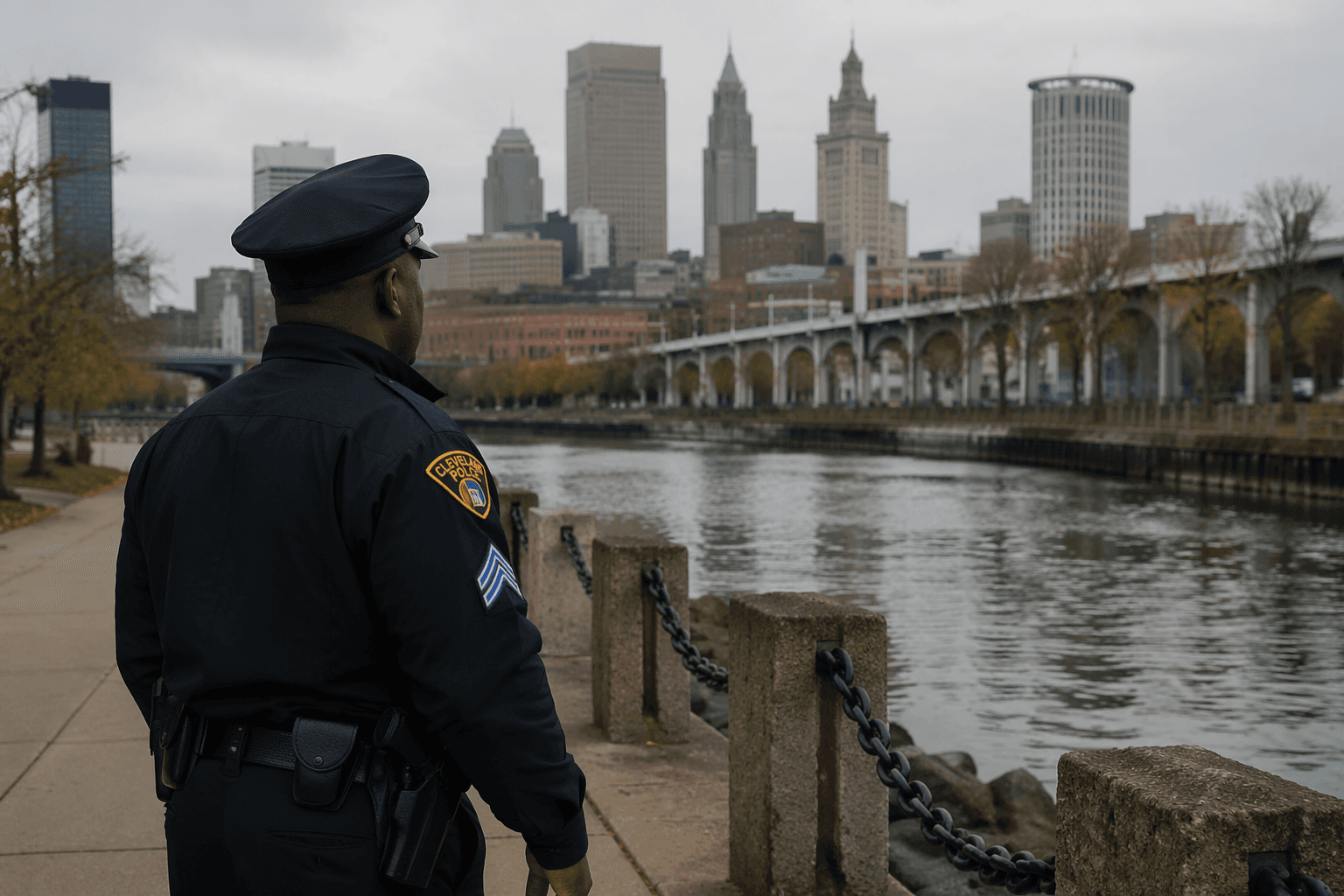
That mix matters in Cleveland, Mississippi, where everyday safety needs do not look the same for a homeowner on a quiet street, a renter near campus, a student living between classes and work, or a downtown business trying to manage traffic and events. The page’s value is that it makes those services visible in one place.
Home checks are the clearest service residents can actually use
The most practical feature on the police page is the security check request form. Residents can come to the department, fill out the form, or download it and return it so officers can check homes while people are away. That makes the service especially useful for vacations, extended work travel or any absence when a house or apartment sits empty.
For homeowners, the use case is obvious: if you are out of town, the department offers a formal way to ask for extra eyes on the property. For renters, the same logic applies if your lease unit is left vacant for several days or longer. For students, especially those tied to Delta State University schedules or breaks, the form offers a simple layer of peace of mind when campus life empties out. The clearest strength here is access: the page gives residents a direct path to a real service, and it does so without requiring them to already know how the department works.
The quick links point to a broader public-safety toolkit
The city’s quick-links area shows that the police department is part of a broader safety network, not a stand-alone office. Alongside the department, Cleveland lists a firearms ordinance, a special events application and a community camera registry. Those links suggest that public safety in the city is not limited to emergency response. It also includes prevention, event planning and ways for the public to coordinate with police on security-related issues.
That matters for downtown businesses, churches, organizers and neighborhood groups that host gatherings or rely on foot traffic. A special events application signals that the city expects people to plan ahead when a public event could affect streets, parking or security. A community camera registry suggests the city wants residents and businesses to share information about exterior cameras, which can strengthen investigations and neighborhood awareness when incidents happen. The firearms ordinance link reminds users that safety rules are also part of the city’s daily governance, not just a matter for patrol officers.
Still, the page works best as a gateway. It tells residents what exists, but many users will still need to navigate further into the city site or contact city offices to understand exactly how each tool works in practice. That is a common strength of municipal websites: they show where to start, even when they do not spell out every step on the front page.
Police services sit inside a larger city government structure
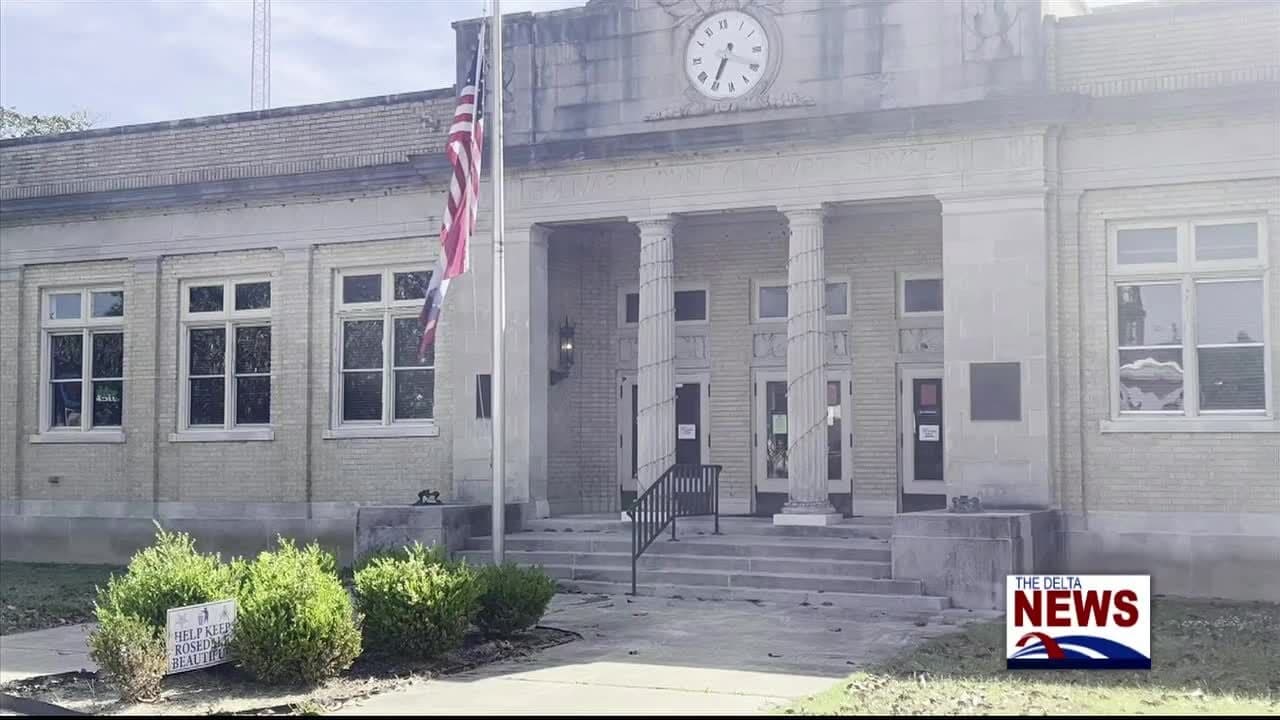
Cleveland’s police information is tied closely to the city’s main government pages, and that connection matters for accountability. The City of Cleveland says the Mayor and Board of Aldermen is the policy-making body. It consists of six ward-elected aldermen and one at-large alderman, and city officials are elected every four years.
That structure gives residents a clear chain of responsibility. Police services are not operating in a vacuum; they sit inside a municipal framework that includes City Hall, agendas, minutes, ordinances and boards and commissions. When residents want to understand why a public-safety tool exists, how it is funded or what rules govern it, the answer runs through the city’s elected leadership and administrative offices.
The website’s layout reinforces that point. Police links appear alongside resident-service pages, City Hall resources and broader government information, which tells users that safety is being treated as one part of civic administration rather than a separate or hidden function.
Accessibility and public information are part of the same portal
The city also includes an ADA grievance procedure for complaints about disability discrimination in city services, activities, programs or benefits. That is an important detail because it shows Cleveland is not only publishing police information, but also offering a formal route for residents who face barriers in using city services.
The same portal also carries an annual drinking water quality report and a central “Report a Concern” page. Together, those features show that the city is trying to organize basic civic life through one online front door. A resident looking for a police form can also find disability complaint procedures and water-quality information, which makes the site more useful than a simple department listing.
That matters for residents who may not know which office to contact first. Older adults, students new to town and families trying to manage multiple city services can use the website as a starting point rather than relying on word of mouth or trial and error.
The numbers explain why the city needs this kind of access
The population data helps frame the size of the community Cleveland is serving. The U.S. Census Bureau estimates the city’s population at 10,138 as of July 1, 2025, down from 11,199 in the 2020 census. Against that backdrop, the police department’s internal service estimate of more than 12,000 residents plus 4,000 Delta State University students shows how much the university expands the city’s daily footprint.
Delta State’s role is hard to miss. The university says it is a public university in the Mississippi Delta and has called Cleveland home for 100 years. Independent fall 2025 reporting put enrollment at 2,791 students, up 5.2 percent from fall 2024. Even if that is below the police page’s broader student-service estimate, it still points to a sizable campus presence that shapes traffic, housing, nightlife and public safety needs throughout Cleveland.
The city’s 2024 Annual Drinking Water Quality Report, published in June 2025, adds another layer of practical governance. It says Cleveland’s wells have a moderate susceptibility ranking for contamination. That detail has nothing to do with policing on its face, but it reflects the same municipal habit of giving residents information they can use in daily life.
A useful model for a small city with overlapping needs
Cleveland’s police page works because it acknowledges the city’s overlapping realities. A house can be vacant while a family is traveling, a campus can be active while downtown is busy, and an event permit or camera registry can matter as much as a patrol car. By placing the security check request form, firearms ordinance, special events application and camera registry in one visible place, the city gives residents a practical map of how public safety is supposed to work.
For a small Mississippi city with a university at its center and City Hall behind it, that kind of transparency is not cosmetic. It is the difference between a public-safety system that people can find and one they have to guess at.
This article was produced by Prism’s automated news system from verified source data, official records, and press releases, then run through automated quality and moderation checks before publishing. The system is built and supervised by the people who set the standards it runs under. Read our full AI policy.
Know something we missed? Have a correction or additional information?
Submit a Tip