WheatonArts brings glassmaking history to life in Millville
Millville's WheatonArts gives Cumberland County a full day of glass, pottery, history and live demonstrations, with the Oct. 3-4 Festival of Fine Craft as its biggest draw.
WheatonArts is one of the rare Cumberland County places where a weekend outing still feels substantial after a few hours. On 45 wooded acres in Millville, the campus folds together glassmaking history, live craft demonstrations, a nature trail, museum stores and hands-on culture in a single stop that keeps local families in county while still feeling like a destination. It matters because Millville sits in the center of the nation’s first glass industry, and WheatonArts turns that legacy into something residents can see working in real time.
A Millville campus built around glassmaking history
At the center of WheatonArts is the Museum of American Glass, which the organization describes as the most comprehensive collection of glass produced in America. The museum now holds more than 12,000 pieces, arranged chronologically from the first successful glass factory in America in 1739 to contemporary art glass. That timeline gives visitors more than a display case of pretty objects; it shows how an industrial tradition became an artistic one, and why Millville still carries a glassmaking identity that matters to Cumberland County.
The campus itself reflects that broader mission. WheatonArts says it began as Wheaton Village in 1968, then broadened into WheatonArts as its focus shifted beyond historical preservation toward creativity and live artistic exchange. That evolution is visible in the way the site works now: it is not just a museum complex, but a place where history, craft and public programming overlap across the same grounds.
What you can do on a visit
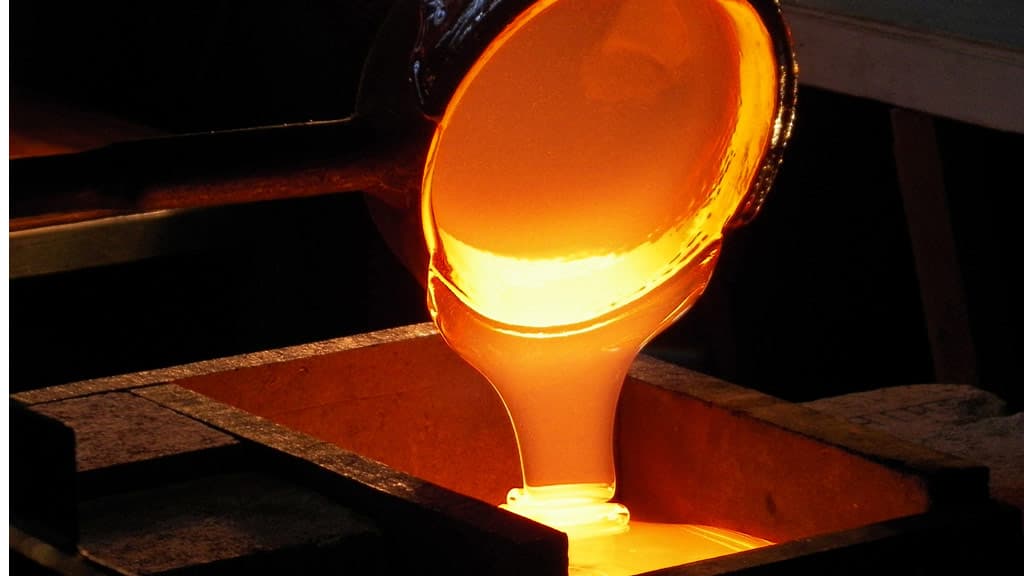
A trip to WheatonArts works best when you treat it as a full-day stop rather than a quick museum run. The campus includes the Museum of American Glass, the Down Jersey Folklife Center, artist studios for flameworking, glass and pottery, the international Creative Glass Fellowship Program, museum stores, a nature trail and more. Daily demonstrations in glass, pottery and flameworking are the difference-maker here, because they let visitors watch materials being shaped rather than only seeing the finished work.
The site also gives different kinds of visitors different ways in. On non-event days, the grounds and Museum Stores are open without a ticket, while the Museum of American Glass, the Down Jersey Folklife Center and the working studios require admission. That split makes the campus flexible for a casual walk through the grounds, a shopping stop or a more in-depth visit built around the collection and the live studios.
- Museum of American Glass for the chronological collection of American glass
- Down Jersey Folklife Center for South Jersey cultural history
- Working studios for glass, pottery and flameworking demonstrations
- Museum Stores for handmade and design-focused purchases
- Nature Trail for a quieter outdoor break between exhibits and studios
The Down Jersey Folklife Center adds another layer of local meaning. WheatonArts says it was initiated in 1995 in conjunction with a New Jersey State Council on the Arts effort to create statewide folklife infrastructure, which places Cumberland County into a larger cultural network while keeping the focus on Down Jersey traditions. That matters in a county where civic institutions often have to do double duty, preserving memory while also giving residents a place to go.
When to go and what the calendar looks like
WheatonArts operates seasonally from April through December, then closes from January through March for exhibition changes, inventory and repairs. That schedule makes planning important, especially for families trying to build a weekend around a visit. It also explains why the campus can feel fresh from one season to the next, with the downtime used to reset galleries and maintain the grounds.
The biggest date on the calendar is the Festival of Fine Craft, set for October 3-4, 2026, from 10 a.m. to 5 p.m., rain or shine. WheatonArts says the festival will feature 150 juried artists and is celebrating 27 years of artistic excellence in 2026. It brings together handcrafted work, demonstrations, family activities, live music, specialty foods and the Glass Pumpkin Fundraiser, turning the campus into a one-weekend market and festival that still feels rooted in the site’s glassmaking identity.
For Cumberland County residents, that festival also answers a practical question: where can you spend a whole day without leaving the county and still get something different from a typical park or shopping trip? At WheatonArts, the answer is a mix of live craft, juried art, food, music and the same museum collection that anchors the campus the rest of the season. It is one of the few local events that can fill both a Saturday schedule and a cultural need at the same time.
Why the institution still carries weight
WheatonArts is not just a local attraction with a strong setting. The Museum of American Glass is one of only eight museums in New Jersey accredited by the American Alliance of Museums, a distinction that signals institutional staying power and curatorial seriousness. For a county with relatively few signature cultural assets, that kind of accreditation gives the campus a role that reaches beyond Millville.
The organization’s international Creative Glass Fellowship Program extends that reach even further. Along with the folklife center and seasonal exhibitions, it shows that WheatonArts is still trying to connect older traditions to current work rather than treating glass history as something frozen behind a case. In a county shaped by manufacturing, working-class history and a limited number of large-scale civic destinations, that blend of preservation and active making is what keeps WheatonArts relevant year after year.
This article was produced by Prism’s automated news system from verified source data, official records, and press releases, then run through automated quality and moderation checks before publishing. The system is built and supervised by the people who set the standards it runs under. Read our full AI policy.
Did this article answer your question?