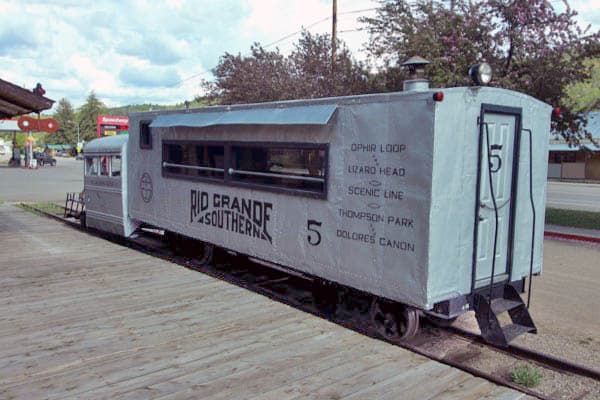
Rico blends mining history, arts and outdoor recreation in Dolores County
Rico’s silver-era streets now anchor an arts-and-outdoor economy, and a town of about 265 to 288 residents is feeling the pull of visitors, lodging and public-land access.
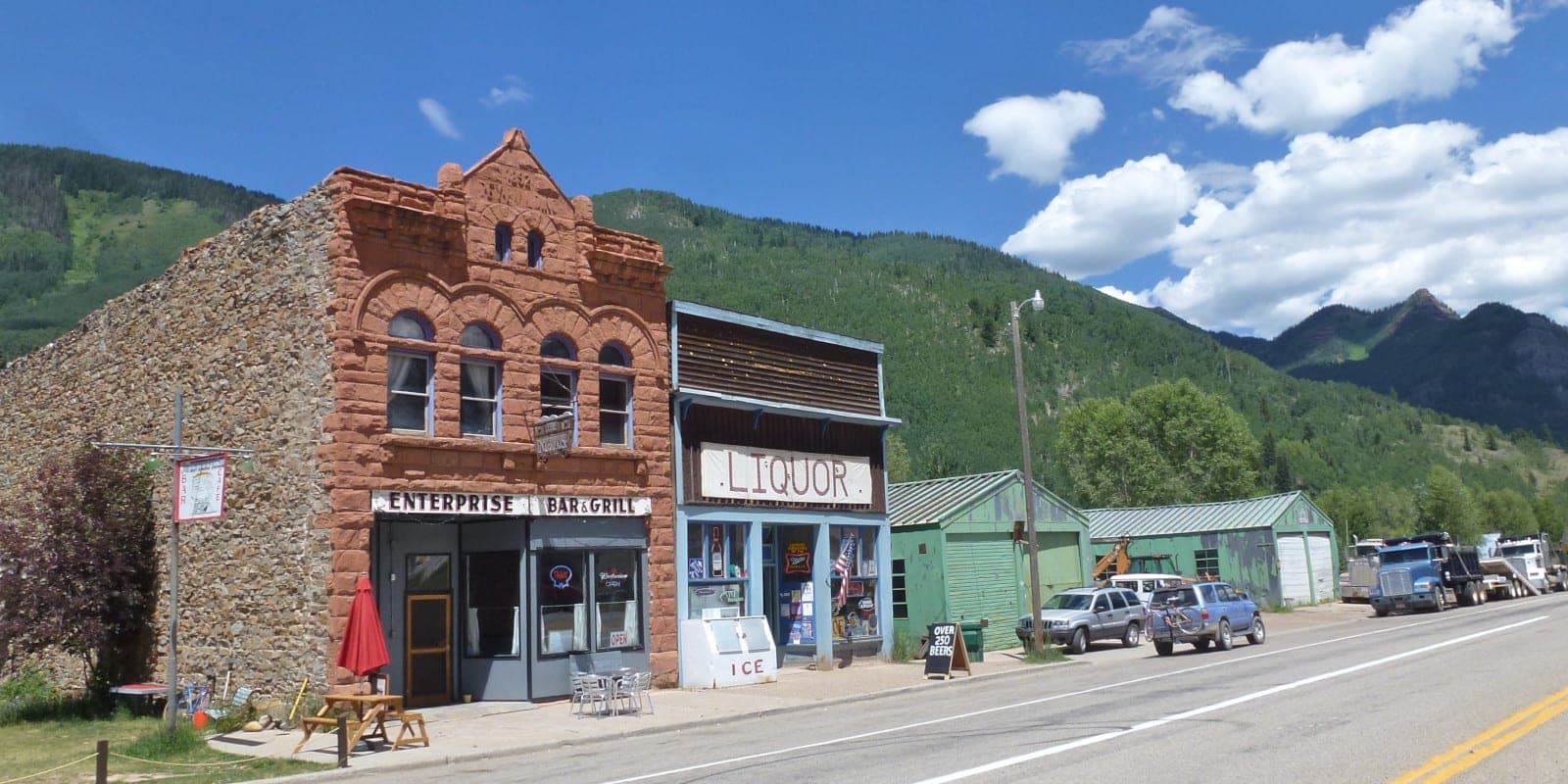
Rico’s old mining map still shapes its present. In a town of just a few hundred people, the courthouse, the historic downtown and the surrounding public land now carry much of the local economy, drawing visitors for galleries, bed-and-breakfasts, forest roads, fishing, hunting and backcountry skiing. That mix has turned a former silver camp into a year-round mountain destination, but it has also changed how small the town can remain while serving people who are only passing through.
Mining roots still define the streets
Rico was settled in 1879 as a silver-mining center in the Pioneer Mining District, and its origin story still shows in the way the town reads on the ground. The Colorado Encyclopedia places Rico in southeastern Dolores County and describes it as both a historic site and a tourism site, which fits a community that never grew into a large city but never lost its identity either.
That identity was built during the Colorado Silver Boom, when Dolores County was created on February 19, 1881, from part of Ouray County. Rico was important enough in that era to serve as the county seat, and the former Dolores County Courthouse in town was built in 1892 and 1893 for that purpose. The building, now identified by History Colorado as the Dolores County Courthouse, or Rico Town Hall, is a two-story light red brick structure with a raised basement and red sandstone detailing, and it has been on the National Register of Historic Places since December 31, 1974.
The courthouse matters because it explains why Rico still feels like a working civic place rather than a recreated mining backdrop. The town’s historic core was not designed as a tourist street and later decorated to look old. It was built as the center of county life, and that gives the downtown a scale and authenticity that visitors notice immediately.
An artsy base camp just over the pass from Telluride
Today, Rico is a small former-mining town just over a mountain pass from Telluride, and that geography has helped define its modern role. Colorado.com describes it as an artsy community, with restaurants, bed-and-breakfasts, shops and galleries clustered in its historical downtown. That mix gives the town a second economic life built on lodging, meals and browsing, not just on history.
The town remains very small. The 2020 Census counted 288 residents, while the Colorado Encyclopedia puts the population at 265, a reminder that Rico’s scale has stayed compact even as its appeal has widened. The Town of Rico still operates as a home rule municipality, and its official site is maintained through Colorado’s state portal, which underscores that this is still a functioning town with a local government, not just a stop on the tourist map.
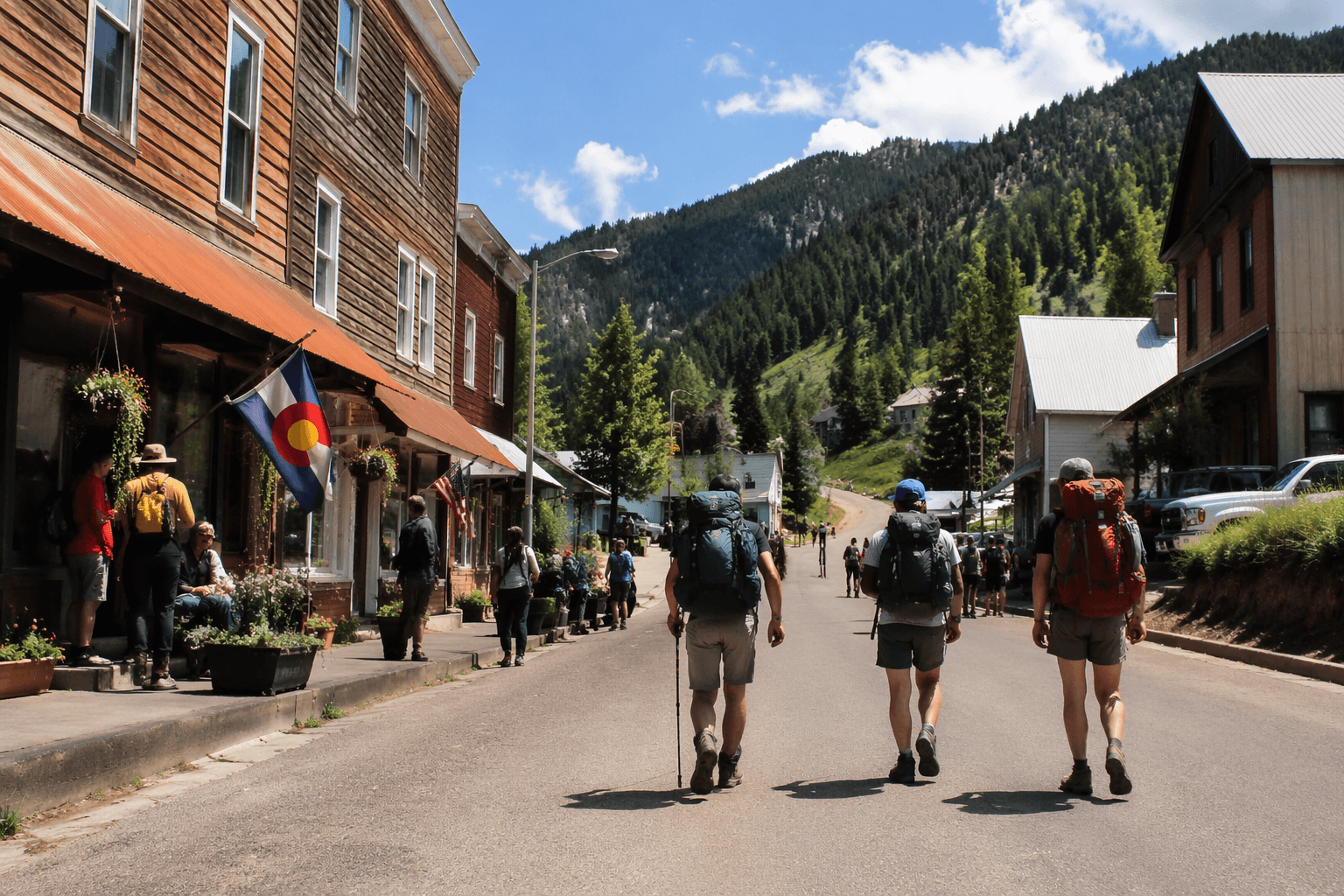
That small scale is part of the economic story. In a place with fewer than 300 residents, a handful of restaurants, inns and shops matter out of proportion to their size. When visitors come through from Telluride or stop for the weekend, the effect is visible in a town where the historic downtown does not have room for sprawling commercial development, only a few carefully used blocks that have to serve both locals and guests.
What people actually do in Rico
Rico’s appeal is not limited to walking around downtown. The surrounding landscape is a year-round recreation engine, and that is one reason the town has been able to reinvent itself without abandoning its mountain setting.
- Forest roads around Rico support four-wheel driving and backcountry access.
- The Dolores River adds fishing to the list of warm-weather uses.
- Nearby hunting areas bring another seasonal population into the region.
- Backcountry skiing extends the town’s appeal into winter.
That mix matters because it keeps Rico relevant outside the short summer window that helps many mountain towns but does not sustain them alone. Outdoor users do not just pass through the downtown, they rely on Rico as a place to stage trips, eat, sleep and restock. That activity helps explain why the town’s visitor economy looks more like a base camp than a resort strip.
The Rico Mine Shaft Inn is a good example of how that demand works on the ground. The lodging operation describes itself as offering rooms, breakfast and cooking facilities in a setting surrounded by the San Juan National Forest. That kind of stay points to the visitors Rico attracts now: people who want trail access, open space and a small-town feel rather than a polished resort experience.
Heritage tourism is the town’s strongest asset, and its biggest test
Rico’s mining district remains part of the town’s draw. Recent local reporting describes the Rico Mining District as containing significant placer and lode mining sites, surviving historic buildings and a ghost-town character that appeals to heritage tourists. That is a powerful combination because it gives visitors something that cannot be manufactured easily: original mining terrain, original structures and a landscape that still tells the story of extraction.
At the same time, that same heritage creates a pressure point. Preservation keeps the town legible, but tourism depends on turning that history into an experience people can consume, whether through lodging, dining or recreation access. The courthouse, the old downtown and the surviving mining district all help Rico stand out; they also shape what can and cannot be built next, and how far the town can grow without losing the character that makes it valuable in the first place.
For Dolores County, Rico has become a test case in how a tiny mountain town survives after the mining bust. It is not surviving by replacing its old story with a new one. It is surviving by making the old story usable, from the courthouse and the downtown blocks to the forest roads and river access that still define daily life for residents and visitors alike.
This article was produced by Prism’s automated news system from verified source data, official records, and press releases, then run through automated quality and moderation checks before publishing. The system is built and supervised by the people who set the standards it runs under. Read our full AI policy.
Did this article answer your question?