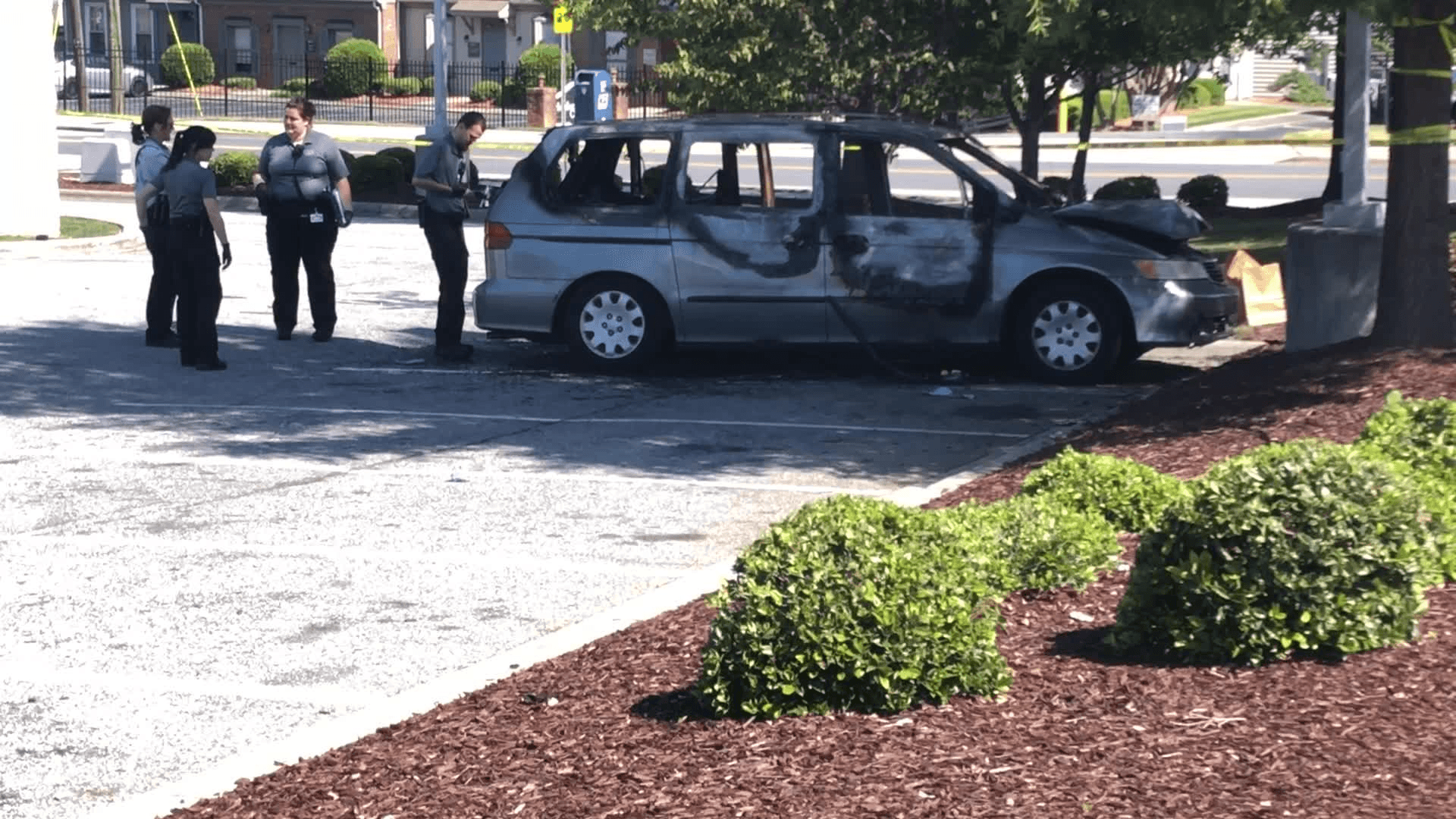
Bingham Park cleanup set to begin in September 2026
Bingham Park could finally see cleanup start in September, ending a two-year closure that left East Greensboro without a key gathering place.
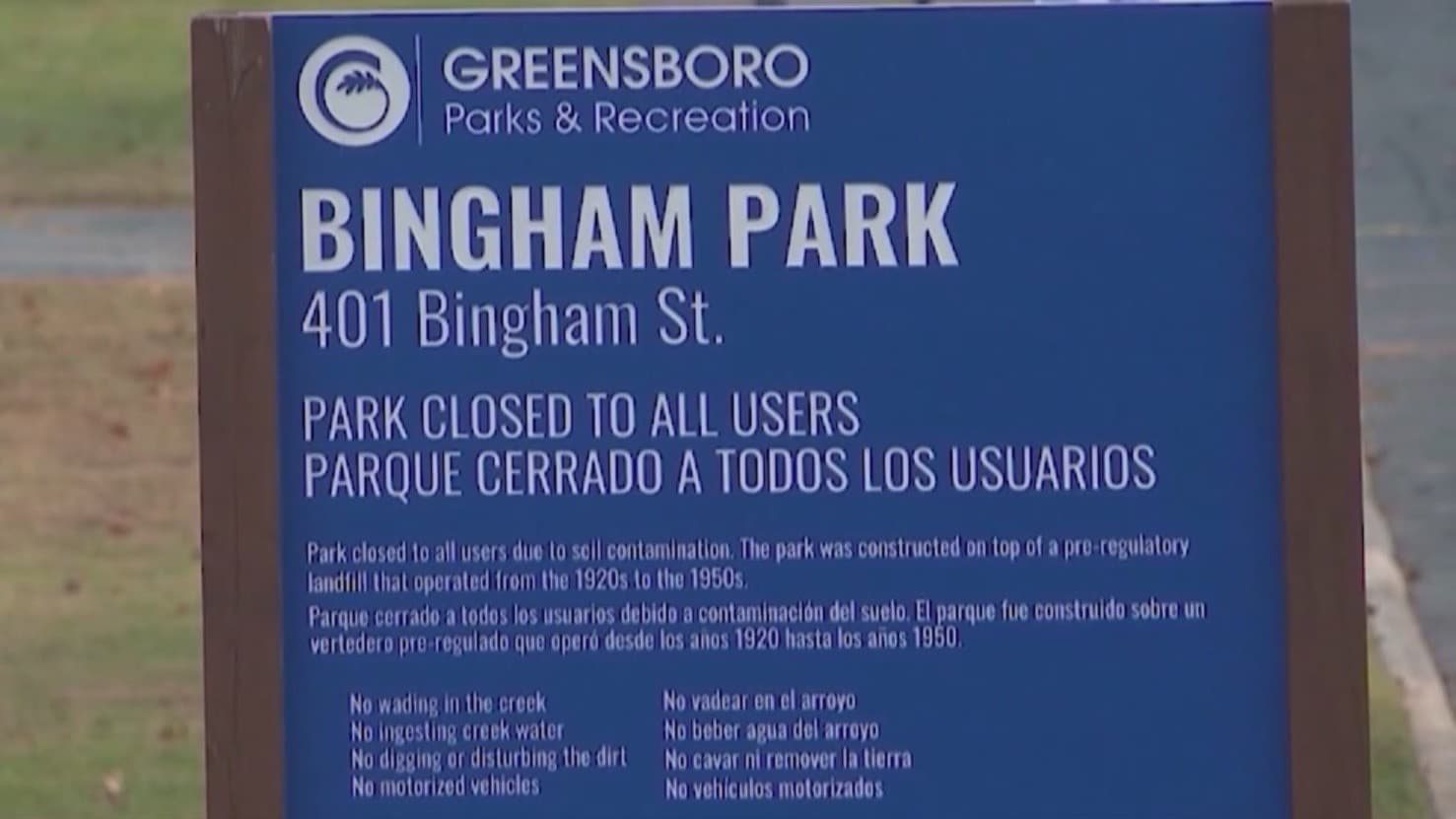
Bingham Park’s long closure may finally give way to dirt-moving in September, but East Greensboro still faces a phased cleanup before the 12-acre park at 500 Bingham Street can be safely used again.
City leaders say the remediation plan is moving ahead after the park was shut down in 2024, when officials found high levels of toxins in the soil. The park sits on land that Greensboro records say was used as a disposal site for incinerated waste until 1956 before it became parkland. Local reporting has also described the site as an unlined landfill and incinerator area that took waste from Guilford County and the U.S. military.
That history has made Bingham Park more than a parks project. It serves the Eastside Park, Willow Oaks and Cottage Grove neighborhoods, all of them communities where residents have had to live with the public-health consequences of contamination while losing a nearby place for children to play, families to gather and neighbors to spend time outdoors. The city has kept the park closed to all activities while it plans cleanup work for both Bingham Park and the former Hampton School site.
The city’s approach has changed over time. Greensboro City Council voted 6-2 in October 2024 for a containment-and-cover plan instead of full soil removal, but city leaders are now moving toward full remediation in a five-phase plan. The work plan is under review by the North Carolina Department of Environmental Quality, and the city says contaminated soil will be removed and taken to a permitted municipal solid-waste landfill, not White Street Landfill. Greensboro also says it received $11 million in state funding for the project and related sites.
The Bingham Park Environmental Justice Team has been meeting with city staff, sometimes as often as twice a month, as the details have been worked out. Councilwoman Crystal Black has said the project brings light at the end of the tunnel, while John Green, who has lived across from the park his whole life, has said the closure changed the area around him.
What remains now is the question East Greensboro has waited years to answer: whether the September start date becomes a real turning point, and how quickly the cleanup will translate into safe access, neighborhood investment and a park that the surrounding communities can use again.
Know something we missed? Have a correction or additional information?
Submit a Tip