Border drilling worries ranchers and farmers in Hidalgo County
More than 300 people packed a Deming meeting to warn that border-wall drilling could dry wells that keep Bootheel ranches, crops and households running.
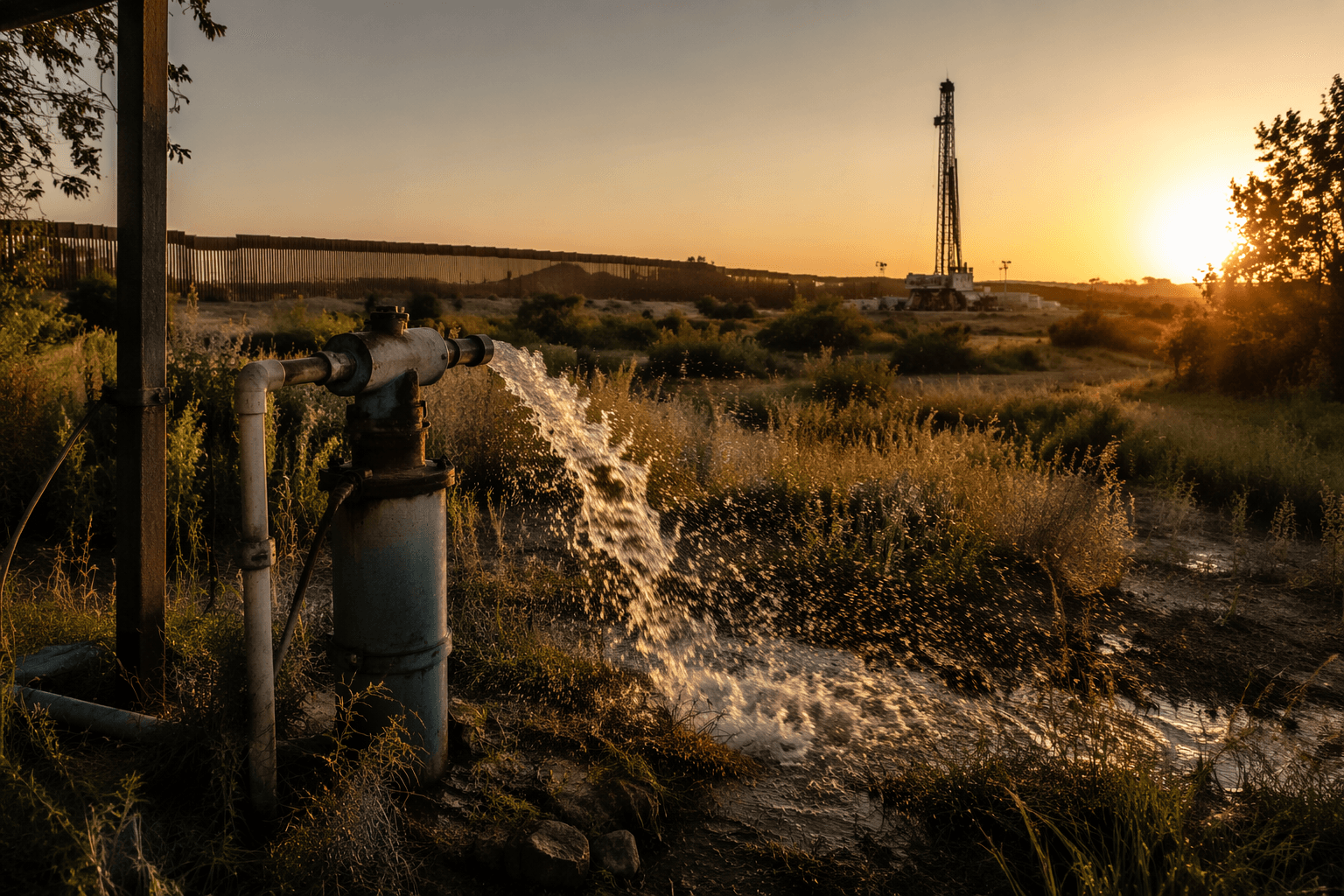
More than 300 people packed the Mimbres Valley Learning Center in Deming on July 10 to confront federal drilling tied to border wall construction along the U.S.-Mexico border. For ranchers and farmers in the Bootheel, including Hidalgo County, the worry is immediate: a change in groundwater can affect cattle, irrigated crops and household wells for years.
Bill Johnson, a multigenerational farmer and rancher, told the crowd that if his well dries up, his land loses value and his cattle and crops lose water. That is the fear now rippling through the border ranching country south of Luna County, where families depend on shallow groundwater and where a single well can anchor an entire operation.
The dispute has turned into a clash over who controls that water. The New Mexico Office of the State Engineer says it has authority over the supervision, measurement, appropriation and distribution of all surface and groundwater in the state, which is why state officials are treating the drilling as a permitting issue, not just a construction issue. In reporting last week, the office said it had counted at least six wells under development along the border, including one on Russell Johnson’s cattle ranch, which shares an 8.5-mile border with Mexico. In an April letter described in that reporting, Customs and Border Protection said the federal government considered itself "immune" from New Mexico’s groundwater-permit requirement.
The meeting drew more than ranchers. Representatives from the New Mexico Office of the State Engineer, the New Mexico Cattle Growers Association, area legislators and congressional offices attended, giving the gathering the feel of a cross-agency public forum. Customs and Border Protection has said the drilling is needed to support wall construction and to provide components for concrete and dust mitigation.
The broader buildout is already mapped across Hidalgo County. CBP’s December 2025 environmental assessment for the county lays out about 49 miles of primary barrier and 61 miles of secondary barrier, and the agency said it was accepting comments through January 19, 2026. CBP has also described a separate 23.1-mile primary barrier project south of the Deming Station in Hidalgo County. In 2025, the Department of Homeland Security issued waivers to speed about 36 miles of new wall in Arizona and New Mexico, and CBP later said it awarded 10 contracts totaling about $4.5 billion for Smart Wall construction.
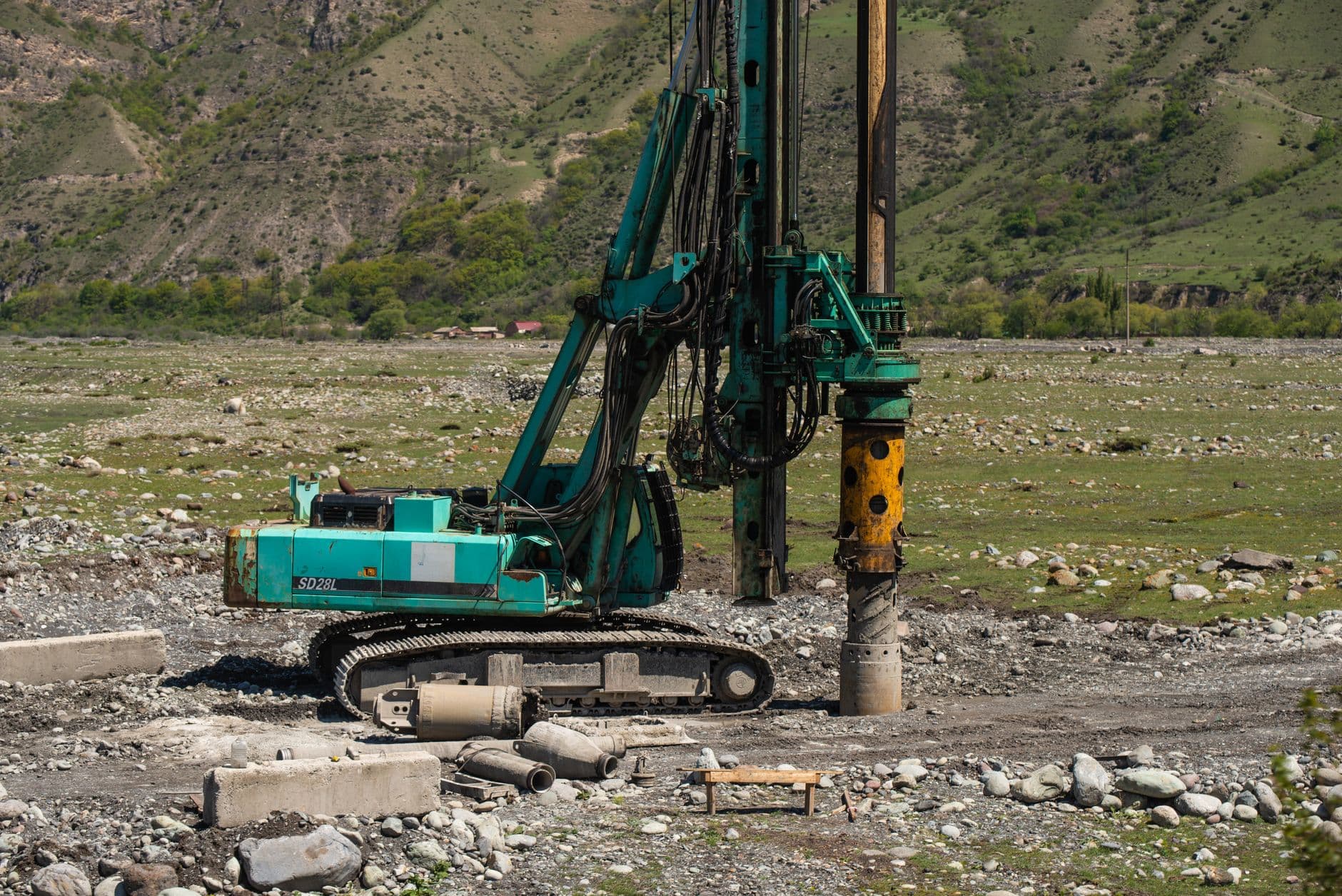
The fears are sharpened by memory. During the first Trump administration, ponds at the San Bernardino National Wildlife Refuge dried up after crews pumped millions of gallons of water to mix cement for wall construction.
This article was produced by Prism’s automated news system from verified source data, official records, and press releases, then run through automated quality and moderation checks before publishing. The system is built and supervised by the people who set the standards it runs under. Read our full AI policy.
Did this article answer your question?