Canadian company abandons gold and silver exploration in Antelope Pass
Almadex walked away from more than 130 Antelope Pass claims, easing pressure on a BLM Research Natural Area prized for wildlife and dark skies.
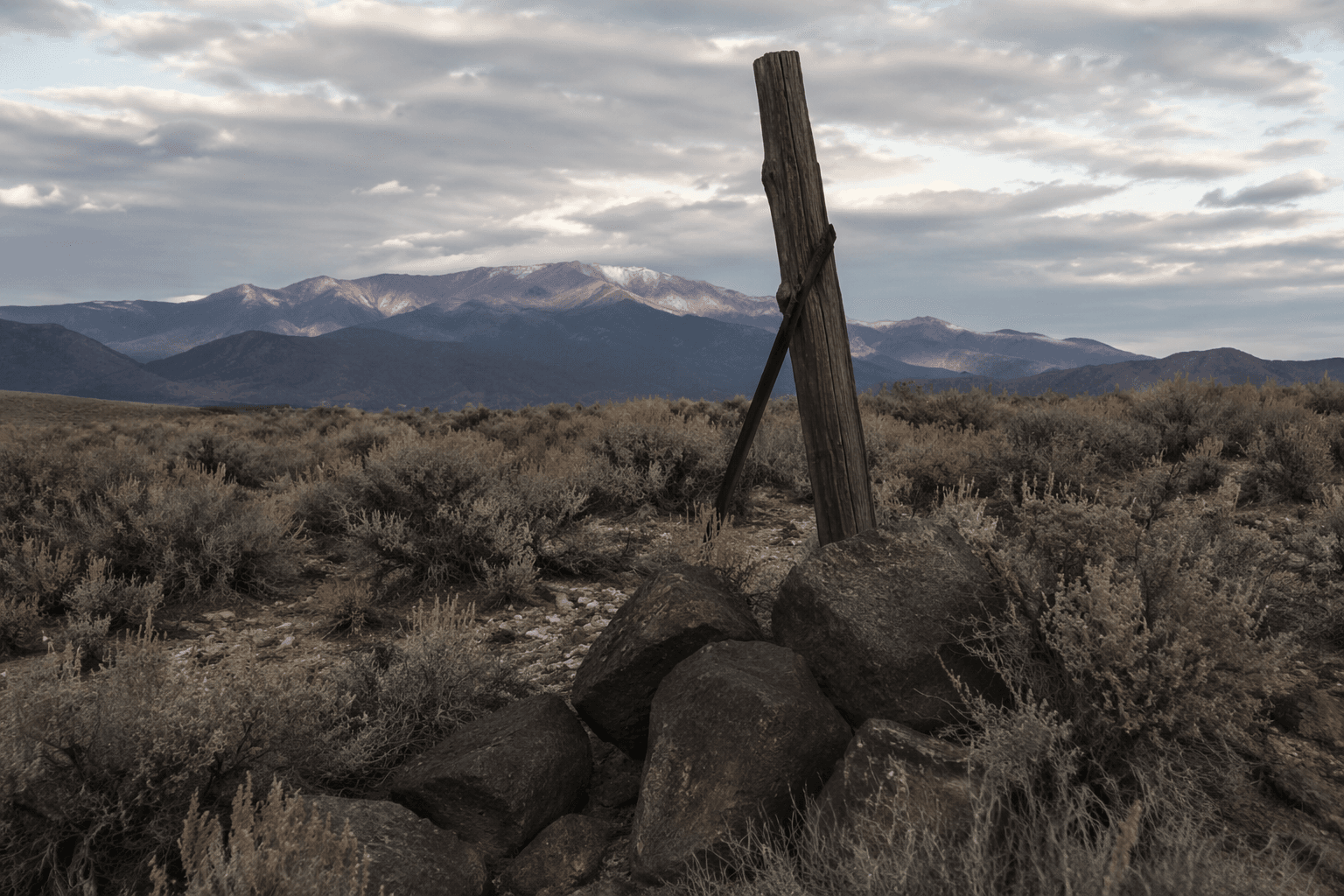
A Canadian mining company has abandoned a gold and silver exploration push in Antelope Pass, removing a threat that conservation advocates saw as especially serious for western Hidalgo County’s desert habitat and dark skies. Almadex America, through a subsidiary, had staked more than 130 claims in the area before backing away by the end of June.
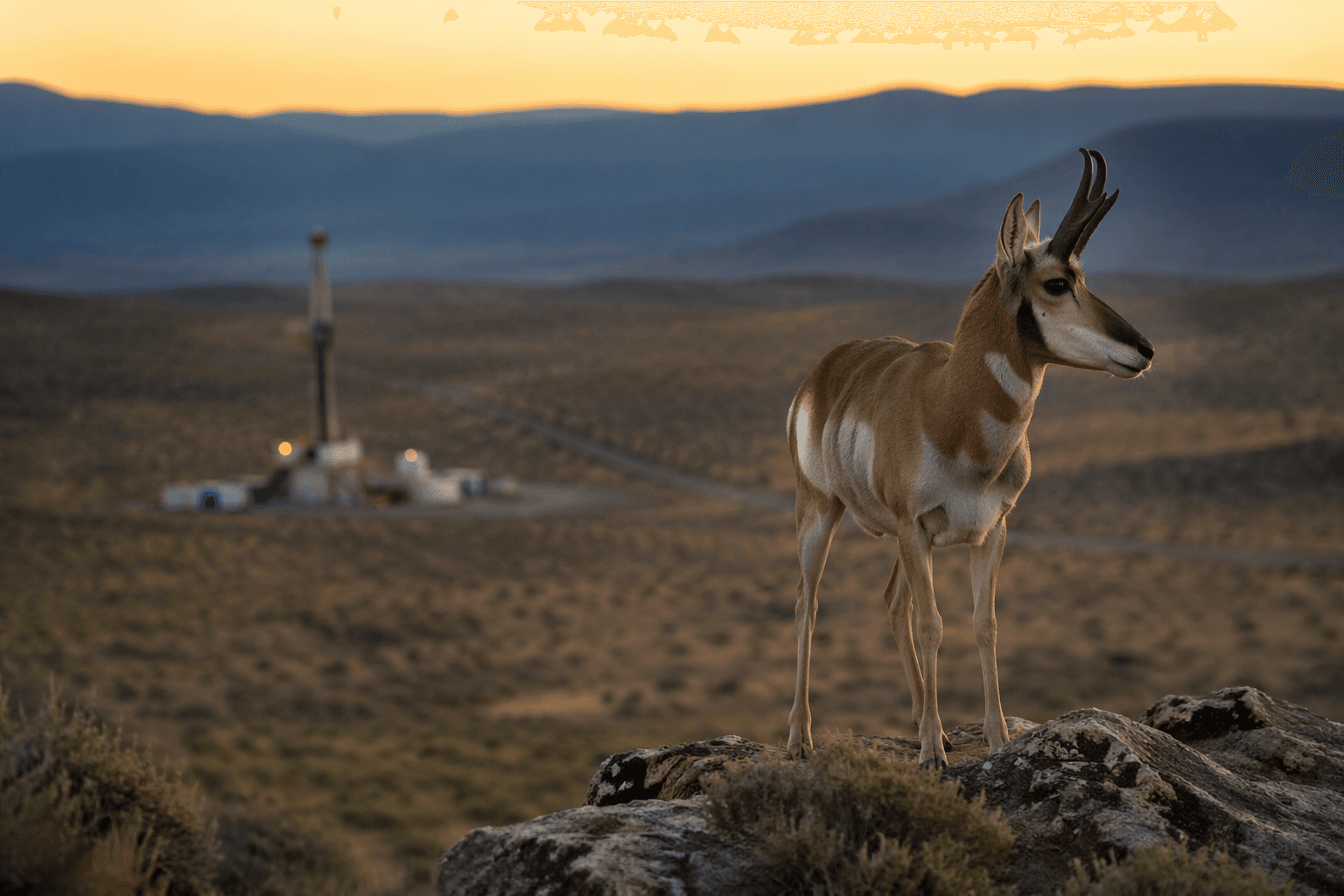
The retreat matters because Antelope Pass is not just open desert. The Bureau of Land Management designated it a Research Natural Area, a status meant to protect biological and research values, and conservation advocates had warned that mining activity could disturb unusual species there, including the Dixon’s whiptail lizard and other desert plants and wildlife.
Almadex had said earlier in the spring that it wanted to continue testing rock samples to define future drill targets, signaling a longer exploration effort before the company reversed course. In a June 30 news release, the company said the project no longer met its criteria for further exploration and investment and would be abandoned.
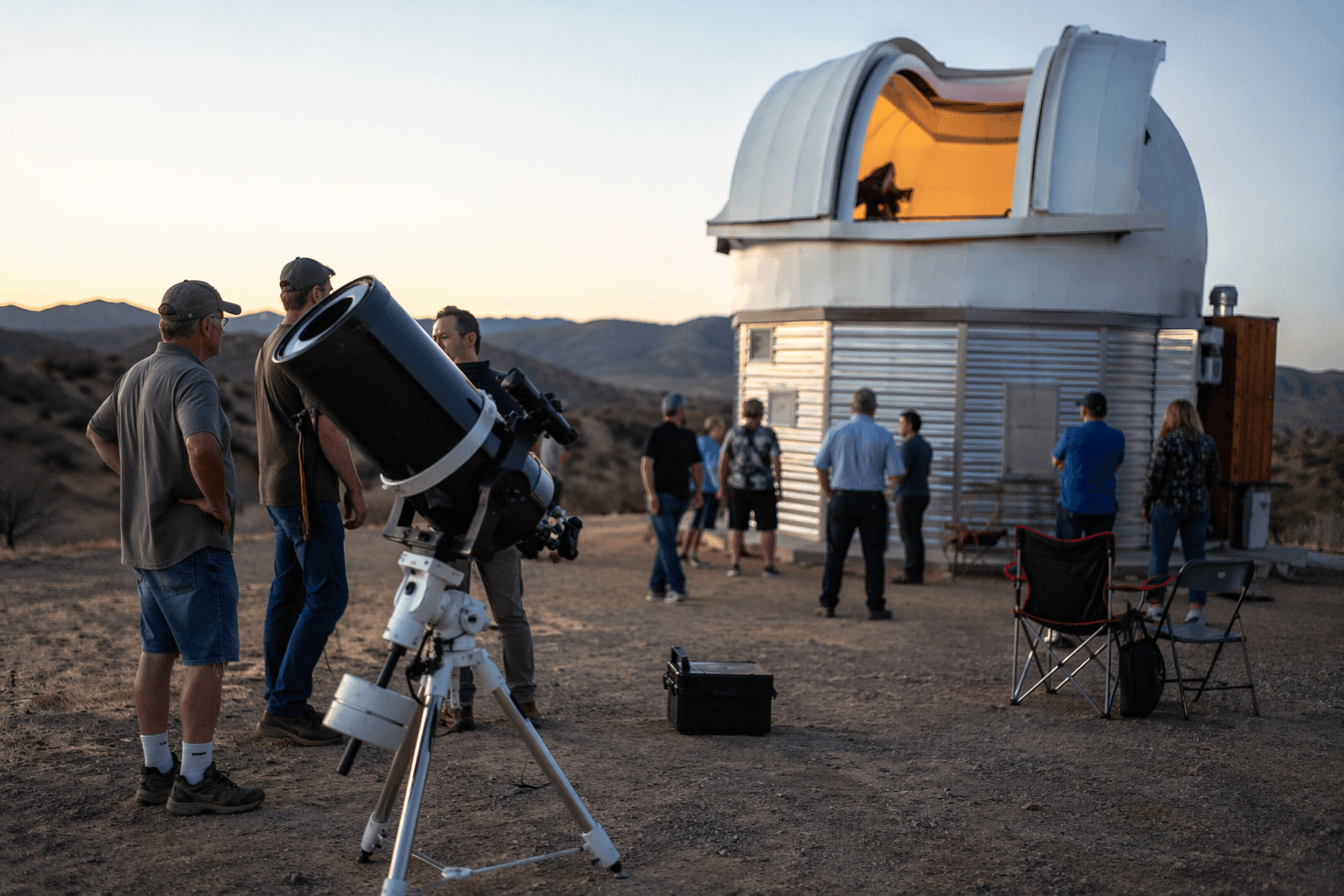
For people who use Hidalgo County’s backcountry for more than extraction, the decision takes pressure off a landscape that also draws hunters, hikers, campers and astrophotographers. Those uses depend on the same open terrain and low light that made the area attractive to the company in the first place, while also making a mining proposal there a flash point for questions about land use and the character of the county’s remote west side.
The company’s exit does not completely settle the future of the site. It is still unclear whether Almadex ever moved far enough into the permit process to file a detailed operations plan, and federal records did not make that path obvious. That leaves open the larger question for Antelope Pass: whether the proposal is dead for good or could return later under a different company or a different permit path.
For now, conservation advocates are treating the withdrawal as a turning point for a fragile corner of public land where scientific value, wildlife habitat and recreational use had been placed at risk by a proposal to drill and explore for precious metals.
This article was produced by Prism’s automated news system from verified source data, official records, and press releases, then run through automated quality and moderation checks before publishing. The system is built and supervised by the people who set the standards it runs under. Read our full AI policy.
Did this article answer your question?