Hidalgo County Fairgrounds stands as a lasting WPA landmark in Lordsburg
The Lordsburg fairgrounds still function as a working WPA landmark, tying a 1939 public works project to today’s fair, youth contests, and county gatherings.
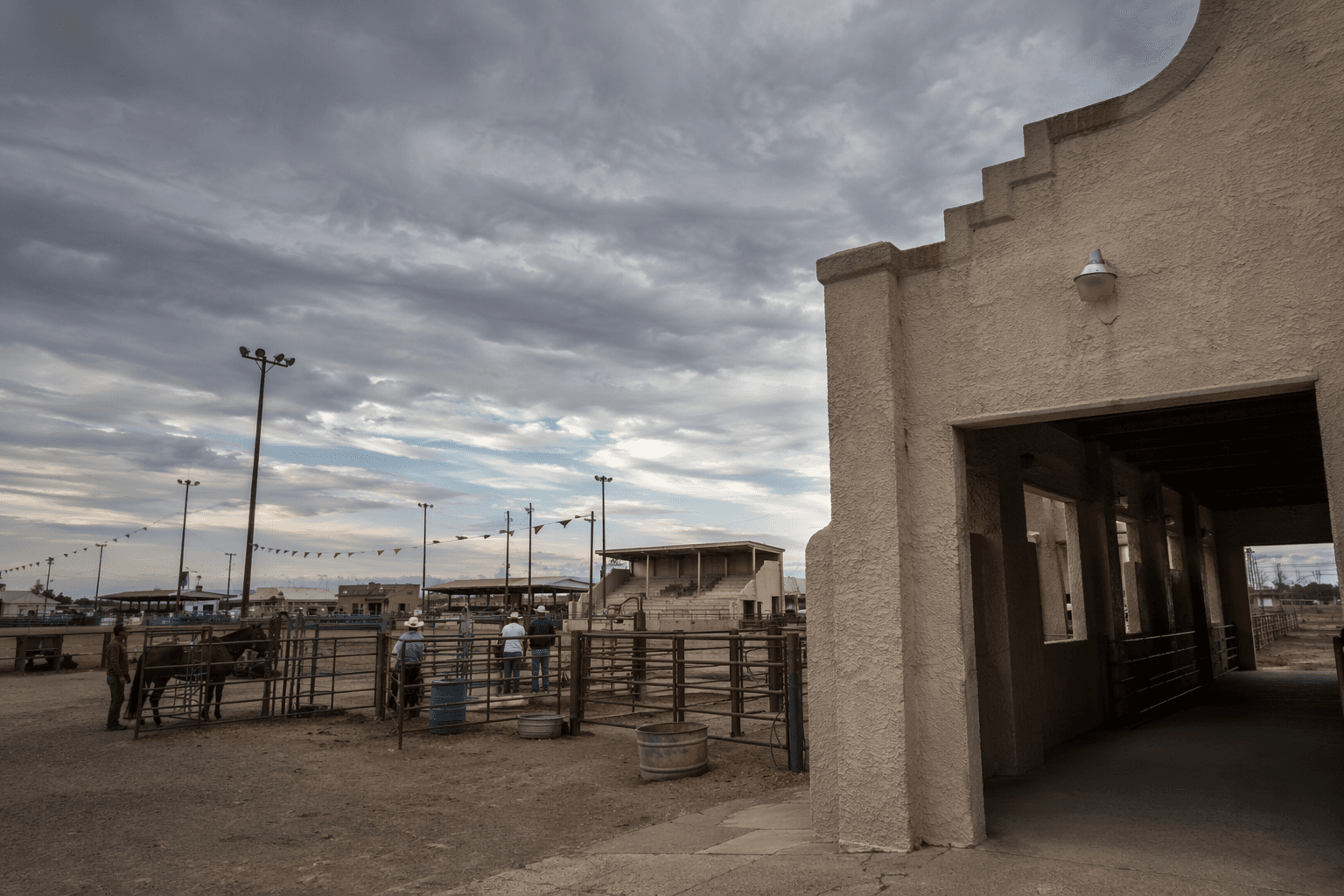
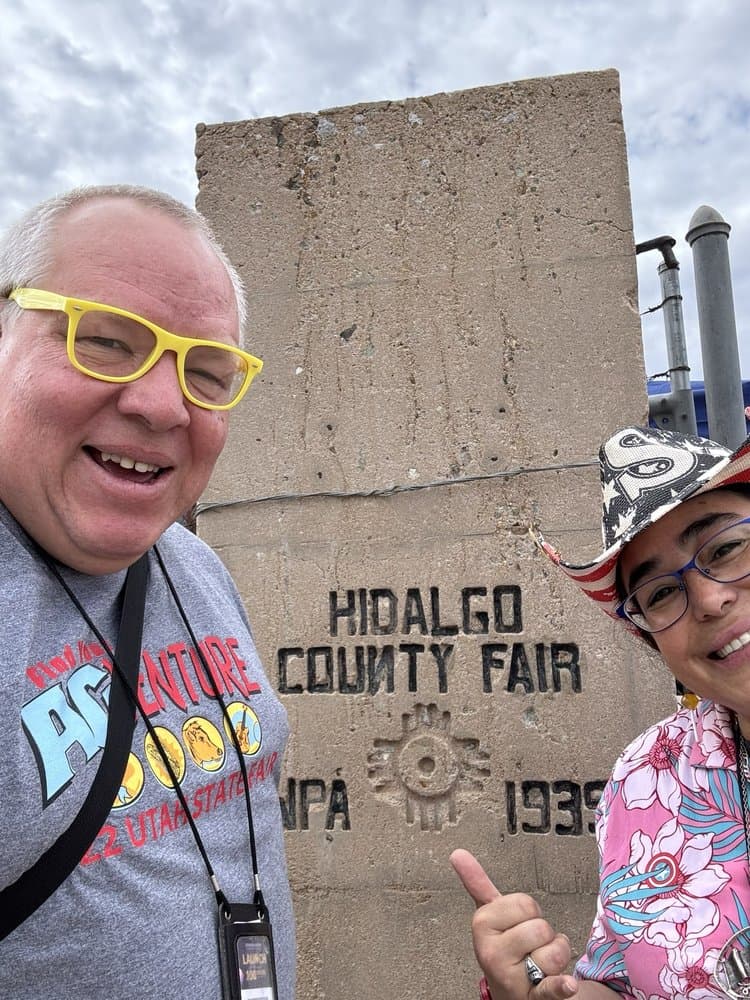
At 1226 East 2nd Street in Lordsburg, the Hidalgo County Fairgrounds still does the job it was built to do: give a small county one shared place to gather. The site began as a WPA project in 1939, and it remains extant, with Living New Deal even preserving a WPA entry-post photo in its record. Today, the grounds still host the county fair, educational and agricultural contests, and the community events that keep rural Hidalgo County connected.
A New Deal project with a permanent footprint
The fairgrounds are one of several New Deal-era sites that still shape Lordsburg. Living New Deal’s Lordsburg listings also include the former city hall, Animas High School, and the Sunset Canal Dam, which shows that federal work-relief spending left a broad civic footprint in town. One project record in Lordsburg is tied to P.W.A. Docket No. N.M. 1024-D.S., with an $89,173 grant against a total cost of $197,381, a reminder of the scale of public investment that reached this border county during the Depression.
What makes the fairgrounds stand out is not just age, but continuity. The site is still listed as active local infrastructure, not a relic tucked into an archive. In a county where public space is limited by distance and population, that kind of survival matters because it keeps one of the original civic gathering places in regular use.
Why one fairground matters so much in Hidalgo County
Hidalgo County stretches across 3,438.6 square miles of land area, yet the 2020 Census counted only 4,178 residents. Lordsburg, the county seat, had 2,335 residents in the 2020 Census. Those numbers explain why a single venue carries so much weight: it is one of the few places where county identity, youth development, agriculture, and public celebration all meet in the same footprint.
That role is practical as much as cultural. A fairground in a county this spread out gives 4-H members, FFA students, ranch families, exhibitors, volunteers, and longtime residents one central place to bring animals, projects, and traditions together. It is also the kind of site that can handle school-linked activities, competitions, and public gatherings without asking people to travel to multiple towns for separate events.
The county fair still gives the grounds their rhythm
The Hidalgo County Fair remains the clearest example of the site’s present-day use. The fair listing identifies it as a four-day event set for Aug. 21-24, 2025, at the Hidalgo County Fairgrounds in Lordsburg and says it is organized by the Hidalgo County Fair Association. The fair is described as featuring educational and agricultural events, competitions, and contests, which matches the fairgrounds’ original purpose as a place for rural community display and exchange.
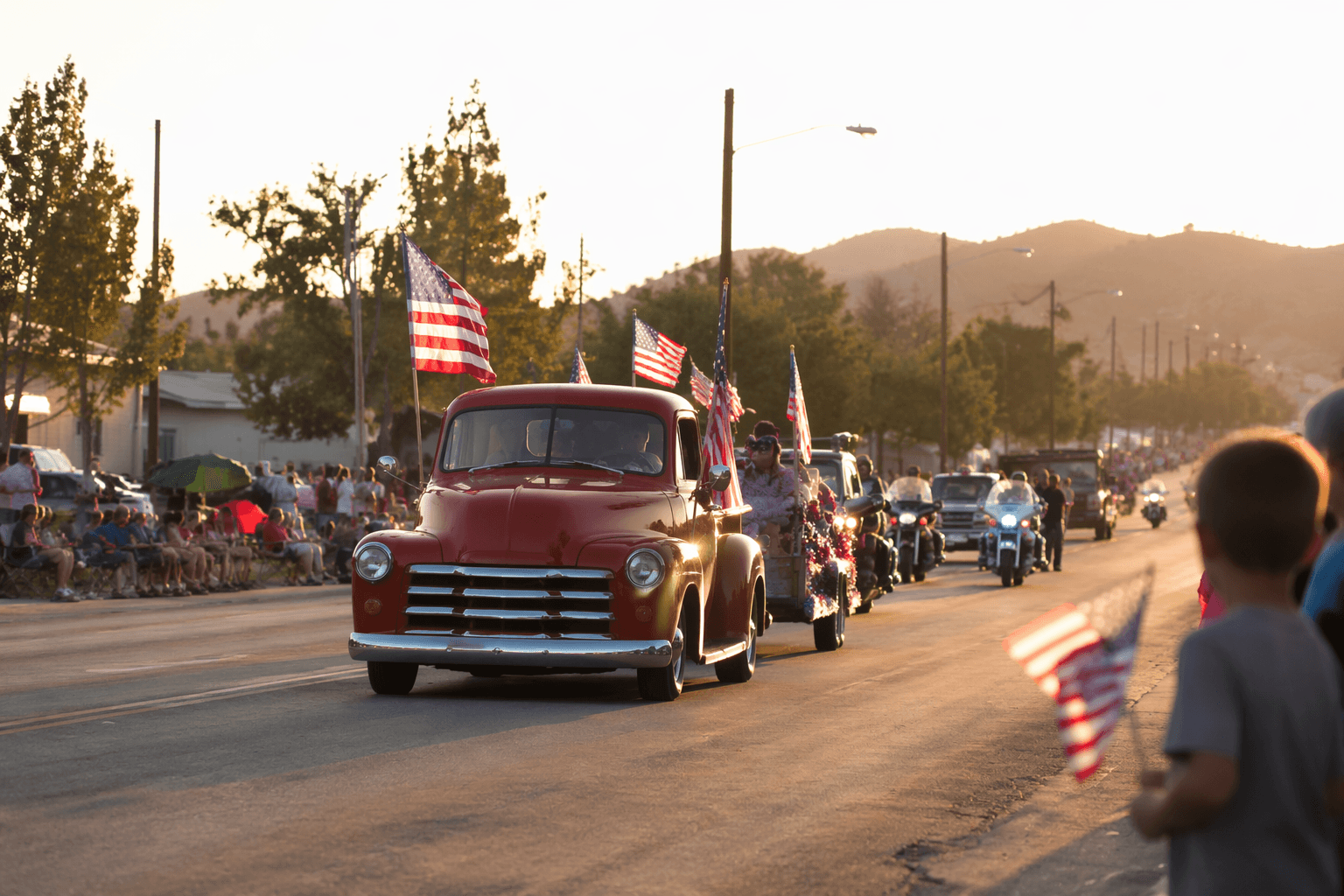
That annual rhythm is part of what keeps the site relevant beyond one week in late summer. The Lordsburg-Hidalgo Chamber of Commerce continues to promote the fair as one of the community’s recurring events, alongside other local traditions such as the Light Parade. That means the fairgrounds are not just a historic location on paper; they remain part of the public calendar that gives Lordsburg a shared civic life.
A working site, not a static monument
The most useful way to understand the fairgrounds is as a living landmark. The WPA entry-post photo preserved in Living New Deal’s record points to a specific moment when the grounds were being built as part of a federal jobs program. The fact that the site still stands, still appears in local directories, and still hosts county events shows how a public works project can move from Depression-era infrastructure to everyday community asset.
That continuity matters in a rural county because preservation is not only about memory. It is about maintaining a functional venue that can still hold the county fair, support agricultural education, and give residents a familiar place to meet. In places with fewer public gathering spots, losing a site like this would mean losing practical space as well as historical identity.
Part of a wider agricultural network
The fairgrounds also sit within New Mexico’s larger agricultural education system. New Mexico Agriculture Education & FFA says the state’s FFA network serves more than 5,300 members in more than 85 schools. That helps explain why county fairs still carry real importance: they are one of the most visible public stages for the work students and families put into livestock, projects, and contests throughout the year.
For Hidalgo County, that statewide system reinforces the local value of the fairgrounds. A place that can host educational exhibits, contests, and community events gives students and families a venue that is both practical and public. The grounds connect Lordsburg to the broader rhythm of agricultural life across New Mexico while still serving the county’s own needs first.
A landmark measured by use
The Hidalgo County Fairgrounds matter because they are still being used for the same basic civic purpose they served in 1939. Built as a WPA project, listed as extant, and anchored at a fixed address in Lordsburg, the site remains part of daily county life rather than a symbol stored in the past. In Hidalgo County, that kind of preservation is not decorative. It is infrastructure for memory, agriculture, and community life, all in one place.
This article was produced by Prism’s automated news system from verified source data, official records, and press releases, then run through automated quality and moderation checks before publishing. The system is built and supervised by the people who set the standards it runs under. Read our full AI policy.
Did this article answer your question?