Women preserved Shakespeare’s legacy in Hidalgo County, marker shows
Shakespeare’s memory in Hidalgo County is tied to three women who documented and protected it, turning a ghost town into a family and community story.
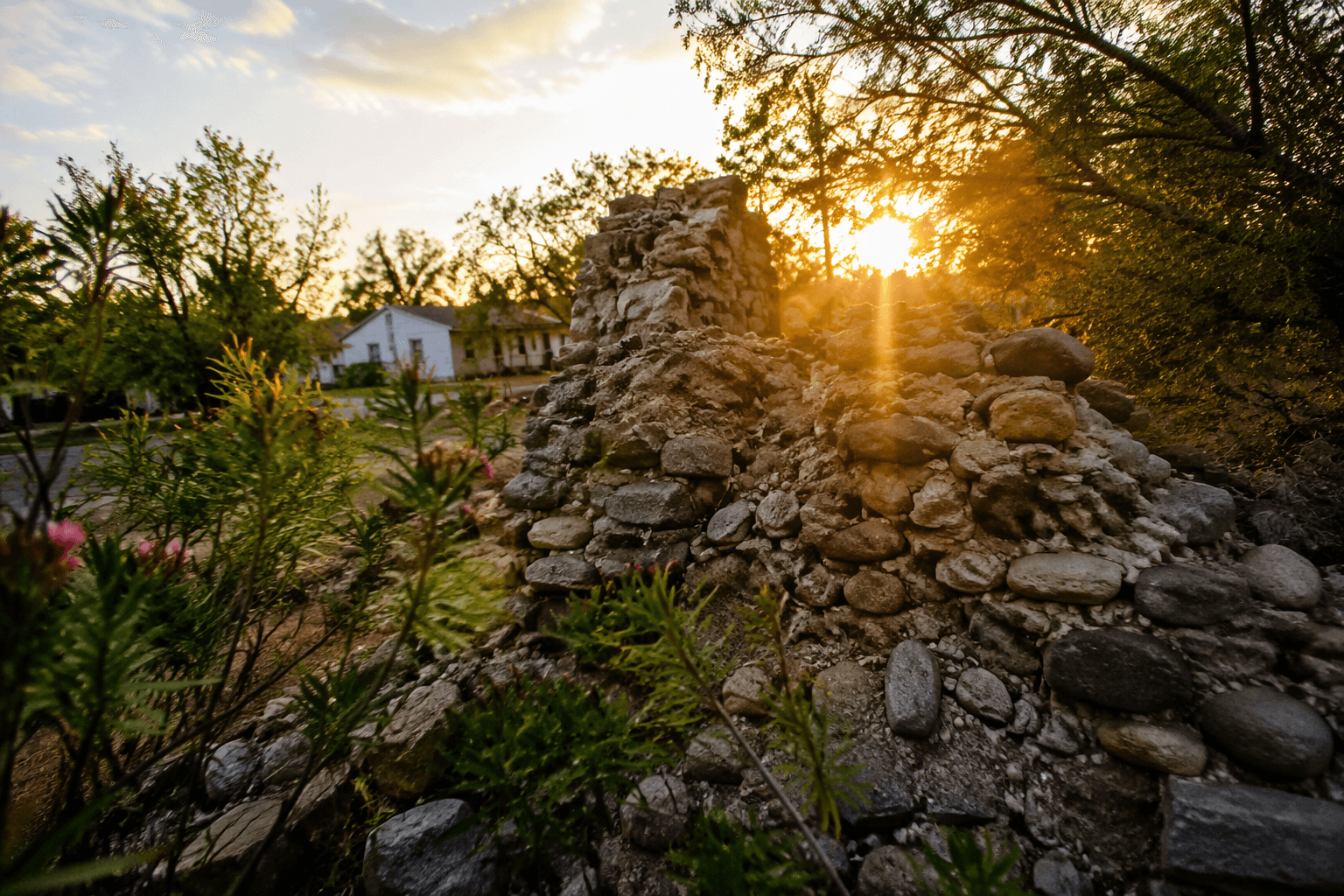
Shakespeare in Hidalgo County is often treated as a stop for photographs or a glimpse of ruins near Lordsburg, but the marker on the Women of Shakespeare changes the frame. It names Emma Marble Muir, Rita Wells Hill and Janaloo Hill Hough as the people who kept the town’s history alive, showing that the place survived in memory because women did the work of preserving it.
Shakespeare’s story is more than a ghost town
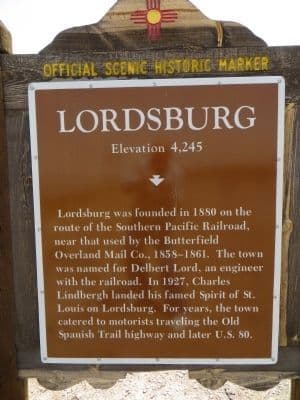
The town sits in one of Hidalgo County’s most recognizable historic landscapes, about 2 1/2 miles south and west of Lordsburg on NM Hwy 494. That location matters because Shakespeare has long been read as a frontier relic, yet the marker gives it a different meaning: it is a place shaped by stewardship, family continuity and careful recordkeeping, not only by its abandoned structures.
That shift is useful in a county where many historic places are understood through what remains standing, rather than through who protected the story. Shakespeare’s buildings draw attention, but the women named on the marker show how local memory is actually maintained, passed down and defended when a town no longer functions as an ordinary community.
The women named on the marker
The marker identifies Emma Marble Muir as 1873 to 1959, Rita Wells Hill as 1901 to 1985 and Janaloo Hill Hough as 1939 to 2005. Those dates create a clear multigenerational timeline, with three lives spanning from the late 19th century to the early 21st century, and they anchor Shakespeare’s history in human terms instead of abstract nostalgia.
The women were not passive observers of the town’s past. New Mexico Historic Women posts say Rita Wells Hill, along with Emma Marble Muir and Janaloo Hill Hough, dedicated years to researching, documenting and protecting Shakespeare’s history. That kind of work is the hidden infrastructure of local history: it identifies names, preserves stories, and keeps a border-region identity legible for later generations.
For Hidalgo County readers, that matters because so much local heritage depends on family members, descendants and community volunteers who become unofficial archivists. When that labor is done well, a place like Shakespeare does not disappear into a scenic backdrop. It stays connected to the people who lived there, worked there and later fought to make sure the town’s memory did not vanish with its population.
A statewide effort with local consequences
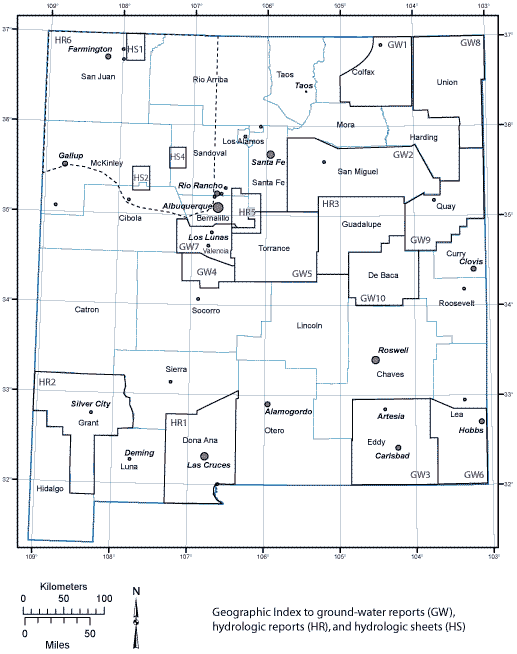
The Women of Shakespeare marker is part of the New Mexico Historic Women Marker Initiative, which was founded in 2005 by members of the New Mexico Women’s Forum. The initiative says nearly 100 roadside markers now showcase women’s contributions and enduring legacy in New Mexico, putting Shakespeare inside a much larger statewide preservation effort rather than treating it as a standalone curiosity.
That broader program matters for Hidalgo County because it shows how public memory gets built. The markers are not only about honoring individual lives. They also shape which stories enter the visual record of New Mexico’s highways and byways, and which names future travelers, students and residents will encounter first.
The New Mexico Historic Preservation Division also hosts a Historic Women Marker Initiative database and county-by-county materials for the markers. That makes the project more than roadside signage: it is a searchable public-history system that lets communities place local women in a statewide record and compare how memory is distributed across counties.
What Hidalgo County loses when women’s work goes unrecorded
Shakespeare’s story raises a broader local question that reaches far beyond one ghost town: who gets remembered in small communities, who does the remembering, and what is lost when women’s civic and historical work goes undocumented. In places like Hidalgo County, where settlement patterns changed with railroads, mining, ranching and the long decline of isolated frontier towns, the people who keep the history alive can be just as important as the people who built the first structures.
The marker shows that preservation is not only about saving buildings. It is also about naming the people who researched the site, explained it to visitors, and carried the memory across generations when county records and travel brochures often leave that labor out. In Shakespeare, the women’s work turns a place many people see as abandoned into a borderland story that still belongs to Hidalgo County.
That is the real value of the marker. It gives the county a fuller memory of Shakespeare, one that includes the women who protected its history and the statewide program that made that preservation visible on New Mexico’s historic landscape.
This article was produced by Prism’s automated news system from verified source data, official records, and press releases, then run through automated quality and moderation checks before publishing. The system is built and supervised by the people who set the standards it runs under. Read our full AI policy.
Did this article answer your question?