Guggisberg Cheese, Holmes County roots behind Baby Swiss legacy
Baby Swiss began as a Charm-area experiment and grew into Holmes County’s most recognizable cheese. Guggisberg still turns that origin into tourism, pride, and awards.
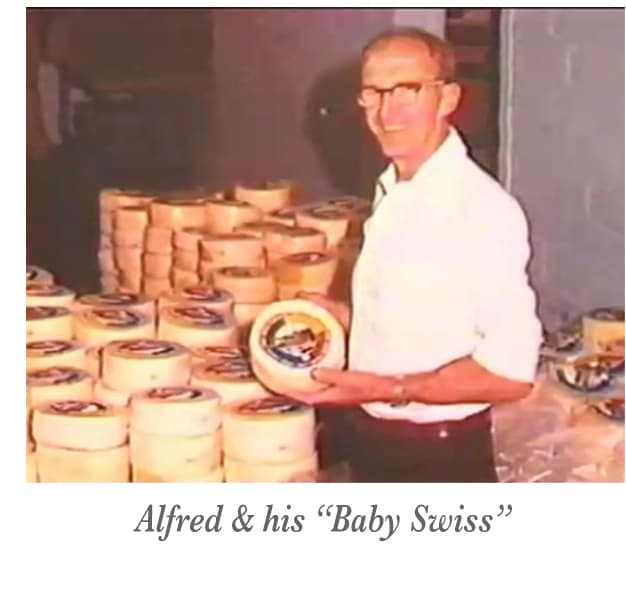
Alfred and Margaret Guggisberg built more than a cheese company in Holmes County. They built a local signature, one that began with Swiss immigrant craftsmanship in the Doughty Valley near Charm and grew into a product people now associate with the county itself. Baby Swiss, first developed from Alfred’s milk experiments and later named by Margaret, became the clearest expression of that idea: a cheese that kept Swiss character but fit American tastes.
From the Swiss Alps to Charm
The Guggisberg story starts long before the Millersburg storefront or the factory tours. Alfred Guggisberg began studying cheese-making at 16 in the Swiss Alps and later attended the Swiss Federal cheese-making institute, training that gave the family business a technical base rooted in European tradition. He and Margaret moved from Switzerland to Ohio in the 1940s, settled in the Doughty Valley near the village of Charm, and established Guggisberg Cheese in 1950.
That move mattered because Holmes County was not just a random landing spot. It placed the family in the center of an Amish Country dairy landscape where local milk, small farms, and a strong regional food culture could support a specialty cheese business. A local-history account says Alfred came to the United States in 1947, and it is in that period that the family’s Ohio identity took shape around both farming and manufacturing.
How Baby Swiss took shape
Baby Swiss was not created as a marketing gimmick. Alfred experimented with local milk and set out to make a milder cheese that could appeal to American palates while preserving the structure and character of Swiss-style cheese. That adjustment, creamier and less sharp than traditional Swiss, is what turned a family experiment into a product with staying power.
A local-history account says Baby Swiss launched in 1968, and Margaret Guggisberg gave it the name because it sat beside a much larger wheel of traditional Emmental Swiss. That detail matters because it captures the scale and the contrast in a single image: a smaller, softer cheese beside the classic older style, but still tied to the same heritage. The result became one of the most recognizable food products in Holmes County.
Why the factory itself is part of the story
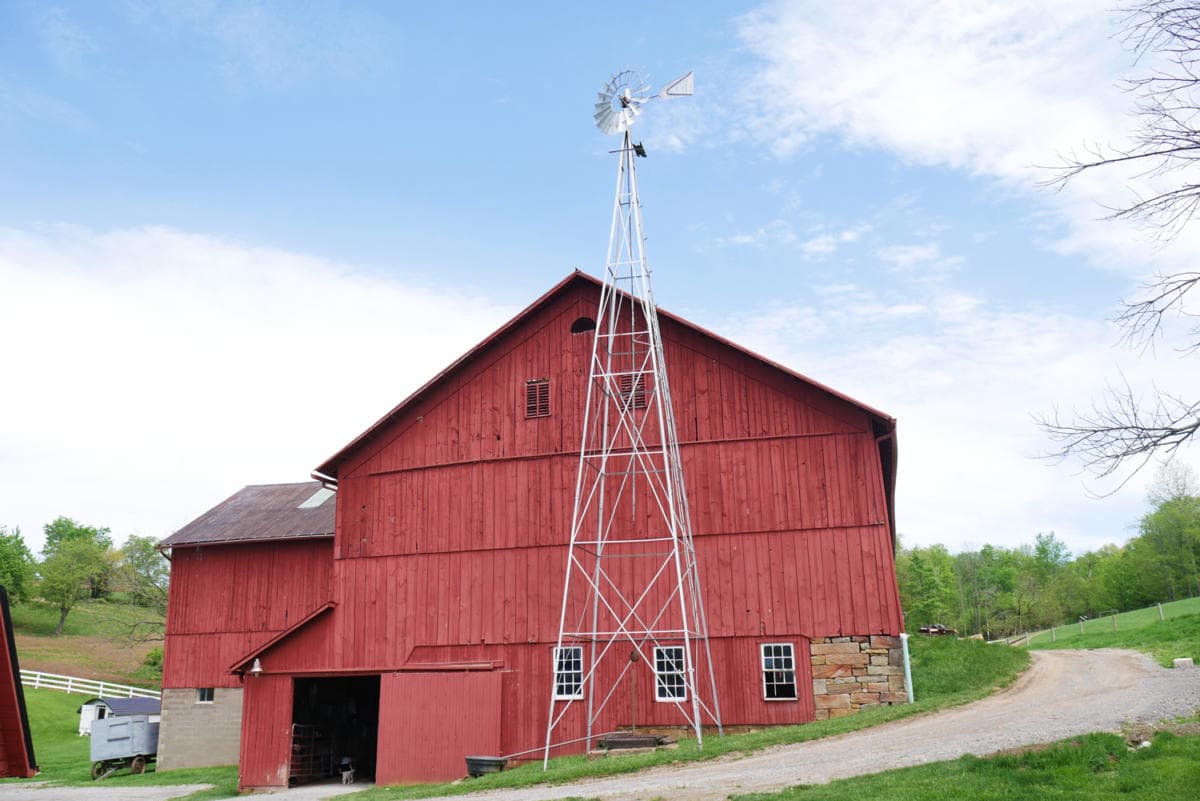
Guggisberg’s retail site at 5060 State Route 557 in Millersburg is not just a store. Visit Amish Country lists it as a place where visitors can watch Baby Swiss being made and browse more than 60 varieties of cheese, along with local goods. Tourism and business listings also say cheese-making can be viewed during morning hours, typically Monday through Saturday, which turns production itself into part of the visitor experience.
That setup gives Holmes County something more valuable than a shelf product. It creates a place-based food destination where the making and the selling happen in the same stop, reinforcing the link between the county and the cheese. The company’s own site leans into that identity by calling the attraction the Home of the Original Baby Swiss and highlighting state-of-the-art European copper vats, a reminder that the brand still ties modern production back to old-world technique.
A county brand with real economic weight
Guggisberg’s importance goes beyond nostalgia. It helps explain how Holmes County markets itself, especially in Amish Country tourism, where food, farming, and local craftsmanship drive traffic as much as scenery does. Baby Swiss gives the county a product no one else can credibly claim in quite the same way, because the cheese is tied to a specific family, a specific valley, and a specific manufacturing story.
The broader context is also larger than one brand. Spectrum News reported that Ohio produces more than 138 million pounds of Swiss cheese a year, which shows that the state’s cheese economy is substantial rather than decorative. Guggisberg sits inside that bigger dairy picture as one of the iconic names, but its local power comes from how tightly the product is woven into Holmes County identity.
For visitors moving through the county, that means the cheese stop is part of the same food map as Charm, Millersburg, and the rest of Amish Country. The business does not just sell cheese to tourists. It helps define why tourists come in the first place.
What the awards say about the brand now
The legacy is not frozen in the past. Guggisberg’s own website says the company won multiple first-place awards at the 2026 World Championship Cheese Contest, including No. 1 Baby Swiss in the World and No. 1 Swiss in the World. That is the clearest sign that the brand still competes at the top tier, not only as a heritage name but as a current producer with national and international recognition.
A separate Guggisberg news item says that at the 35th biennial World Championship Cheese Contest in March 2024, the company’s Ziller cheese was named one of the top 20 cheeses in the world. Taken together, those results show a business that has not drifted into museum-piece status. It is still being judged against the best in the field and still bringing home first-place finishes.
What to know if you are tracing the Baby Swiss story
The Holmes County version of this story is anchored by a few hard facts: Swiss immigrant founders, a 1950 start in the Doughty Valley near Charm, a Baby Swiss launch in 1968, and a Millersburg retail-factory site that has turned cheese-making into a visitor draw. Those details explain why Baby Swiss is more than a product name. It is part of the county’s identity, part of its tourism pitch, and part of the way Holmes County presents itself to the rest of Ohio.
That combination of origin, place, and continued success is why Guggisberg still matters. It gave Holmes County a cheese with a story, and then kept proving that the story still tastes like something people want to buy.
This article was produced by Prism’s automated news system from verified source data, official records, and press releases, then run through automated quality and moderation checks before publishing. The system is built and supervised by the people who set the standards it runs under. Read our full AI policy.
Did this article answer your question?