Yoder’s Amish Home preserves Holmes County farm history and tours
Yoder’s Amish Home pairs an 1885 bank barn and real farm buildings with guided interpretation, giving families a practical first stop for Holmes County Amish Country.
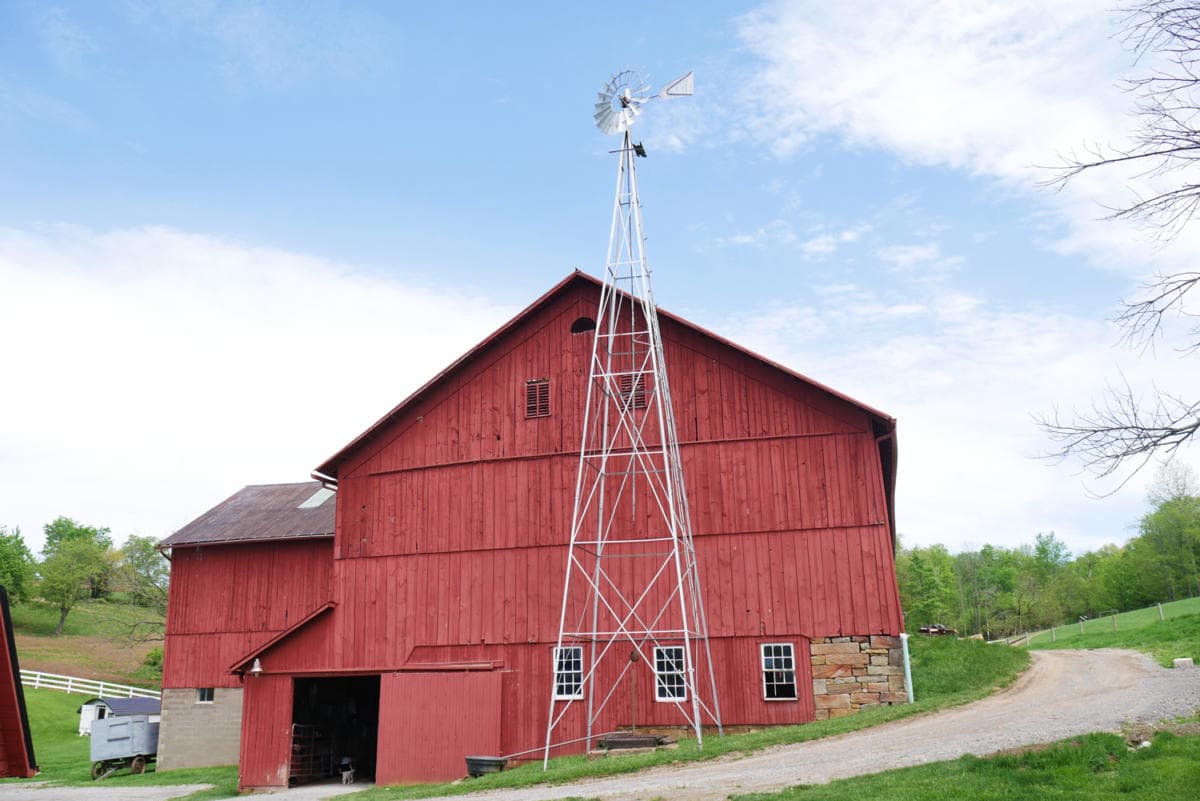
Yoder’s Amish Home works because it does two things at once: it preserves a real Holmes County farm and it explains that farm to outsiders in plain language. The property at 6050 State Route 515 in Millersburg sits on the Amish Country Byway, between Walnut Creek and Winesburg, so visitors reach it as part of the landscape rather than apart from it.
A farm with a real history behind it
The place was bought in 1972 by Eli and Gloria Yoder, after the property had been rented to Amish families for 10 years. The site opened for visits in 1983, and the barn dates to 1885, which gives the attraction a historical depth that goes beyond the usual roadside stop. Eli Yoder had been part of the Old Order Amish faith until age 21, and that background helps explain why the property feels like an insider’s preservation effort rather than a staged imitation.
That history matters in Holmes County, where Yoder’s says the county has the largest population of Amish anywhere in the world. Set inside the broader Ohio Amish Country tourism corridor, the attraction gives first-time visitors a way to understand the roads, farms, and practices they see elsewhere in the county. The barn was not built as a theme-park backdrop, and the little house on the property had been used as a chicken coop before extensive repairs brought it back to life.
What visitors actually see
Yoder’s organizes the visit around guided tours that take about 30 to 40 minutes, with the complete experience listed at about 1.5 hours. The property includes home tours, barn tours, buggy rides, a schoolhouse, a gift shop, field trips, and a covered picnic area. That mix makes it useful for families who need more than a quick photo stop and for school groups that need context built into the visit.
The barn tour is one of the clearest windows into the site’s authenticity. Yoder’s describes the building as a 119-year-old bank barn, and the tour takes guests through the barn itself rather than around it. In spring, the barn area may include newborn farm animals such as lambs, baby bunnies, beagle puppies, and colts, which keeps the place grounded in working-farm life rather than static display.
The buggy ride adds another layer of realism. Yoder’s says Amish drivers take guests about three-quarters of a mile around the hay field, a short route that still shows how travel works in the countryside. It is a small detail, but it is exactly the kind of detail that helps first-time visitors understand that Holmes County’s back roads are part of daily life, not just a scenic backdrop.
Where education is built into the experience
The property is not trying to hide the fact that it teaches as it entertains. Yoder’s says local guides explain Amish culture and lifestyle, which turns the visit into an introduction rather than a passive walk-through. The schoolhouse experience also reflects that approach, giving visitors a place to learn instead of simply looking at old buildings.
That balance between lived history and interpretation is what makes the stop useful. Tripadvisor reviewers describe the guides as knowledgeable and say the barn and homes feel genuine, while also noting that the schoolhouse is a reconstruction. That distinction is important. The site is strongest when it is honest about what is original, what was repaired, and what was rebuilt for education.
For Holmes County, that honesty helps protect the county’s reputation. Tourism here depends on visitors trusting that they are seeing real Amish Country, not a vague commercial version of it. Yoder’s answers that need by showing an actual farm with original structures and by making the educational parts obvious enough that visitors can tell the difference.
Practical details for planning a stop
Yoder’s is open seasonally and closes in winter, typically from late October to late April. That means the attraction follows the rhythm of the farm year, not a year-round indoor schedule. The 2026 apple butter stirring dates are listed for October 10, 17, and 24, with October 24 as the last day of the season, giving fall visitors a specific reason to time the trip.
Pricing is straightforward. Yoder’s lists an adult package at $13 and a kids package at $9, with group rates available. No reservations are needed for groups of fewer than 20, which makes the site practical for families or smaller travel parties making decisions on the road. Visit Amish Country also notes that some areas are handicap accessible, which matters for multigenerational visits and school trips.
Because the attraction sits on the Amish Country Byway, it also fits easily into a wider Holmes County day trip or longer stay. The byway is approximately 190 miles long, and the county’s tourism materials frame the area as a place where travelers slow down and spend more than one day. Yoder’s works as an orientation point inside that larger system: a farm that is still a farm, a tour that explains what people are seeing, and a stop that makes the rest of Amish Country easier to understand.
This article was produced by Prism’s automated news system from verified source data, official records, and press releases, then run through automated quality and moderation checks before publishing. The system is built and supervised by the people who set the standards it runs under. Read our full AI policy.
Did this article answer your question?