Holmes County awards $227,500 in bed tax grants for tourism projects
Holmes County split $227,500 in bed tax grants among 29 tourism projects after receiving more than $500,000 in requests.
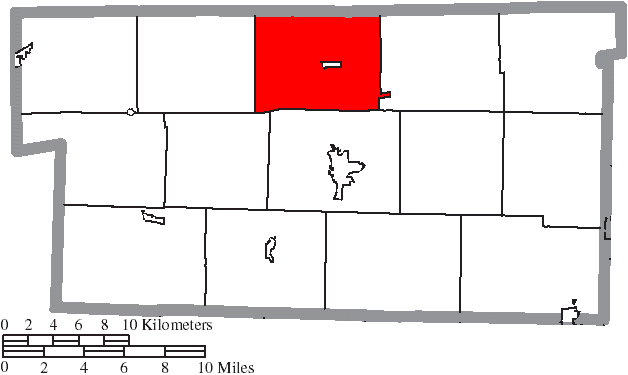
Holmes County commissioners approved $227,500 in bed tax grants for 29 tourism-related organizations and events, after county officials received more than $500,000 in requests for the 2026 cycle. The money is meant to improve tourism under the Ohio Revised Code, and the county says it is issued as a non-reimbursable grant if the project is completed.
The county’s grant rules require recipients to spend the money within six months, avoid using it to pay salary solely from the grant and file a follow-up report showing how the money was spent and what results were expected. Applications for the 2026 round were available April 13, 2026, and were due April 30 at 4 p.m.

The formal process has been handled in public meeting settings. On the June 23, 2025 commissioners agenda, “Bed Tax Grant Distribution” was scheduled for 8:30 a.m. before the regular business meeting, followed by a resolution awarding bed tax grant money.
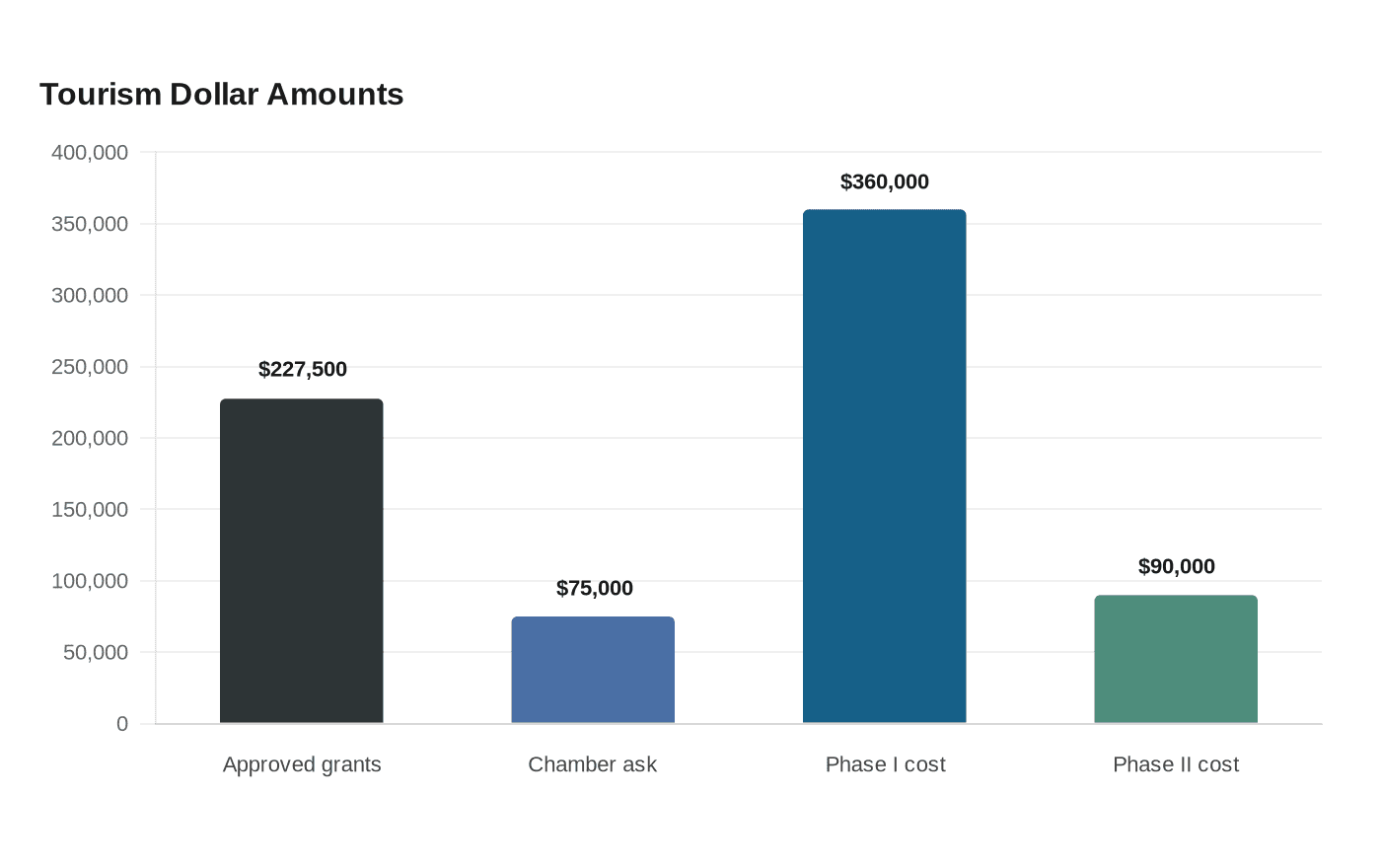
One of the larger tourism-related asks surfaced in the March 3, 2025 meeting minutes, when Tiffany Gerber and Jay Mccullough of the Holmes County Chamber of Commerce & Tourism Bureau discussed seeking $75,000 in bed tax support to help renovate the front of the chamber into a visitors-friendly welcome center with public restrooms. The chamber estimated Phase I of the work at about $360,000 and Phase II at about $90,000.
The county’s public notices frame the grants as an economic-development tool tied to visitor spending and project results, but the amount available each year is smaller than the demand. With more than $500,000 requested and only $227,500 approved, the awards went to less than half of what applicants sought, making the bed tax pool a tight source of public money for attractions, events and tourism infrastructure across Holmes County.
This article was produced by Prism’s automated news system from verified source data, official records, and press releases, then run through automated quality and moderation checks before publishing. The system is built and supervised by the people who set the standards it runs under. Read our full AI policy.
Did this article answer your question?