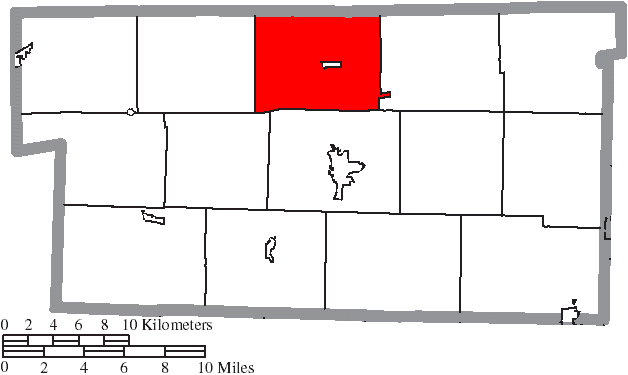
Holmes County farmers can get free hay testing through July 30
Holmes County producers can submit dry hay or baleage for testing by July 30, with results showing nutrition gaps that could raise winter feed bills.

Holmes County livestock producers have until July 30 to submit dry hay or baleage for testing through Ohio State University Extension, a quick check that can help them avoid feeding poor-quality forage during a costly season. The program is aimed at giving local farmers the data they need before winter supplementation decisions lock in higher feed bills.
The 2026 forage testing program uses Near Infrared analysis and returns a detailed nutrient breakdown for each sample. Producers will receive dry matter content, total digestible nutrients, crude protein, ADF, NDF, ash, fat, calcium, phosphorus and potassium, information that can show whether hay will carry cattle, sheep or other livestock on its own or whether grain, minerals or additional protein will be needed.
The first sample analysis costs $15, with each additional sample costing $20. OSU Extension says the program is meant to deliver timely education on forage quality and, if enough samples come in from Holmes County, to produce a county hay quality summary that could give local producers a broader look at what was put up across the area this year.
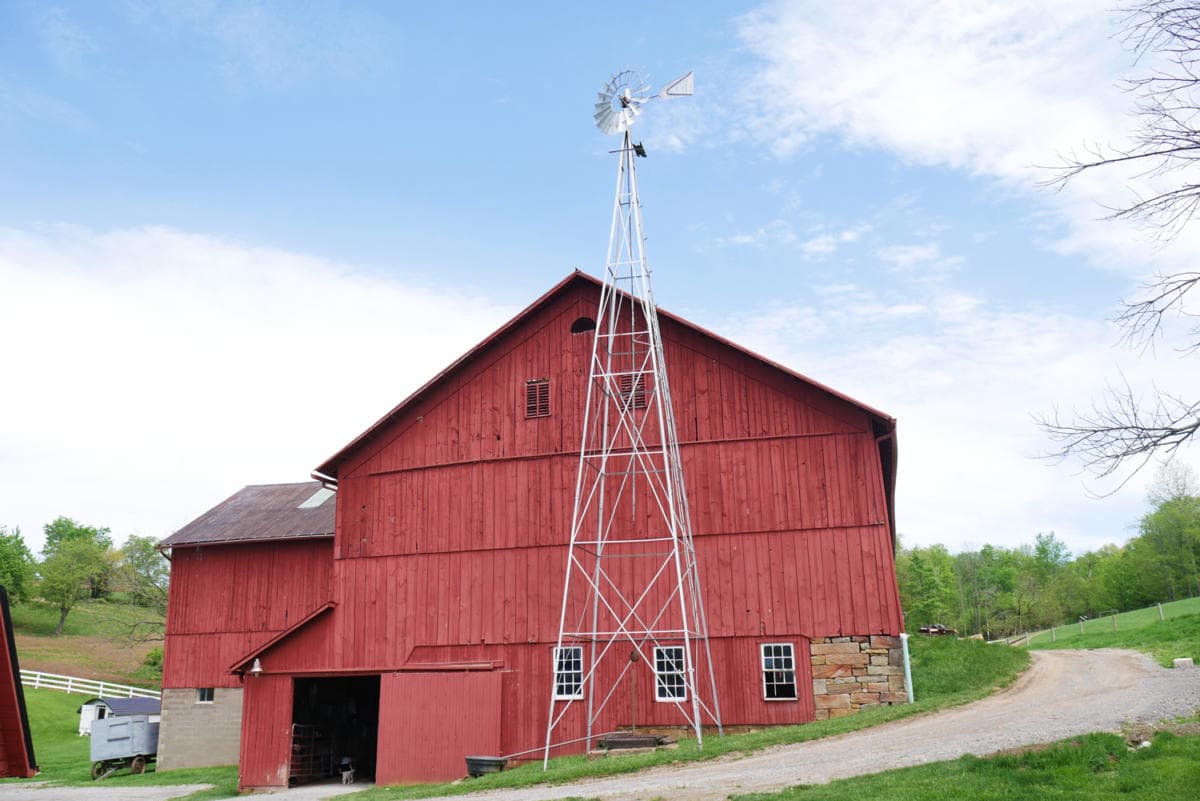
That matters in Holmes County, where agriculture generates more than $126 million in gross receipts and remains one of the county’s biggest economic drivers. The county ranks first in oats production, second in hay production, third in cattle and calves, and third in milk cows. It also has 1,760 farms on 196,000 acres, with an average farm size of 111 acres, making forage quality a financial issue for a large share of the local farm economy.
The case for testing is sharper after last year’s results. OSU Extension said 2025 forage testing showed most first-cutting hay submitted lacked nutrients, a reminder that hay that looks fine in the bale can still fall short in the bunk. For livestock operators, low protein or low energy hay can mean more purchased feed, weaker performance and added stress on animals heading into winter.
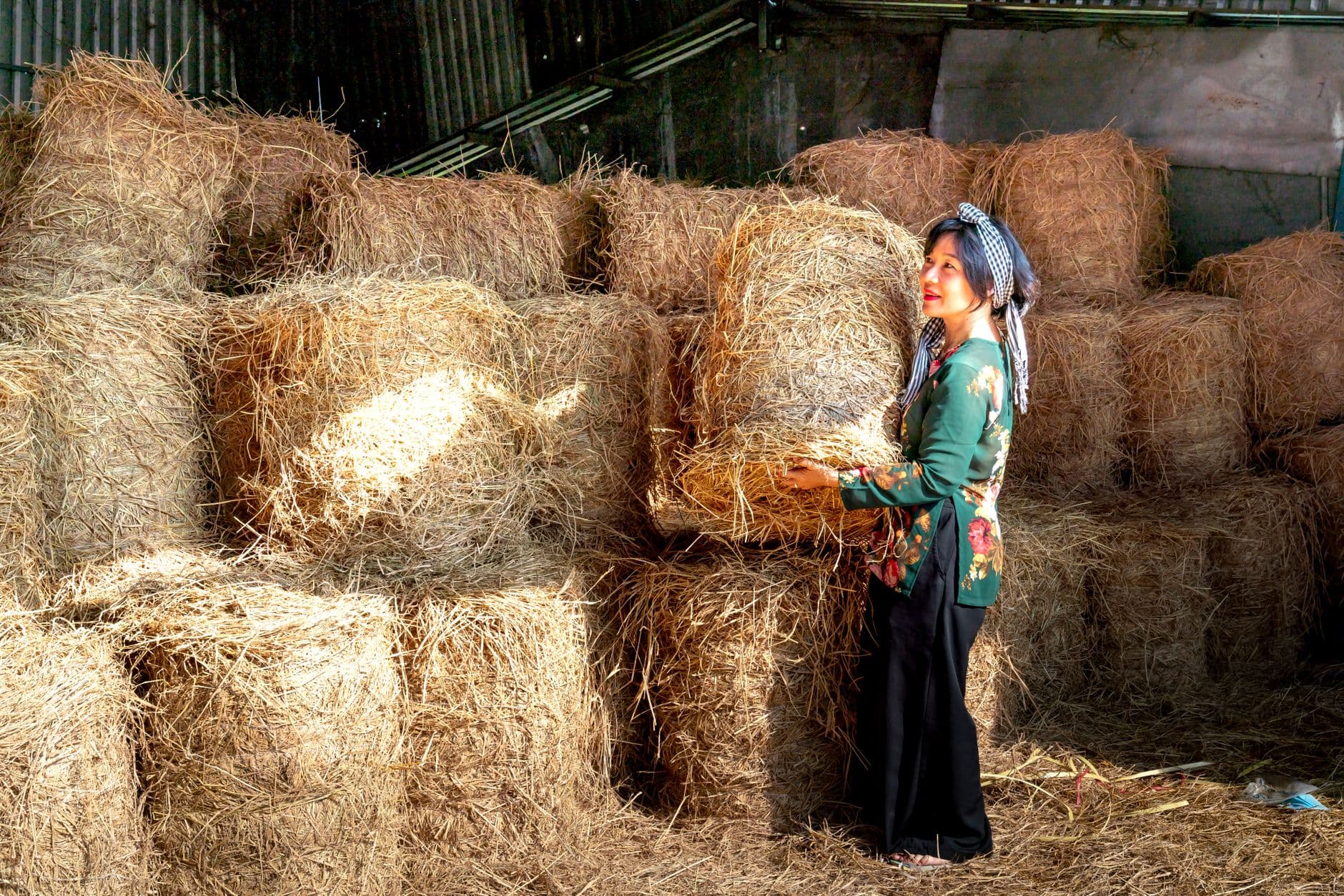
Samples are due at the Holmes County Extension Office, 111 East Jackson St. in Millersburg, or producers can contact the office at 330-674-3015 for more information and to check on forage sampling probe availability. For farmers in a county where hay and cattle are central to the local economy, the deadline offers a low-cost way to turn a stack of bales into usable feeding data before the season changes.
This article was produced by Prism’s automated news system from verified source data, official records, and press releases, then run through automated quality and moderation checks before publishing. The system is built and supervised by the people who set the standards it runs under. Read our full AI policy.
Did this article answer your question?