Holmes County farms feed local market, restaurants and hospital buyers
A June 5 farm tour showed how Holmes County produce reaches market tables, hospital kitchens and pizza ovens through Tuscarawas Valley Farmers Market.

Holmes County produce is moving well beyond roadside stands. A June 5 tour of the Tuscarawas Valley Farmers Market put Weaver’s Truck Patch and Yoder’s Family Produce in the spotlight as anchor growers, showing how local farms now supply shoppers, restaurants and health care buyers across county lines.
How Holmes County food reaches the region
The tour made one point unmistakable: these farms are not just selling what is grown on site, they are part of a working distribution system. Representatives from Cleveland Clinic Union Hospital and Park Street Pizza joined the visit, and both businesses buy fresh produce through the market’s Food Hub program. That gives Holmes County growers a role in feeding patients and diners as well as families filling baskets at the market.
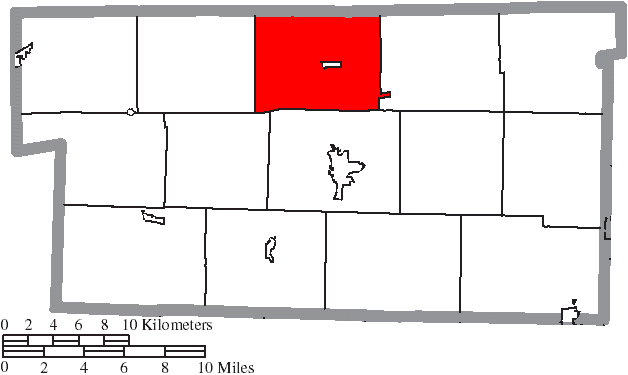
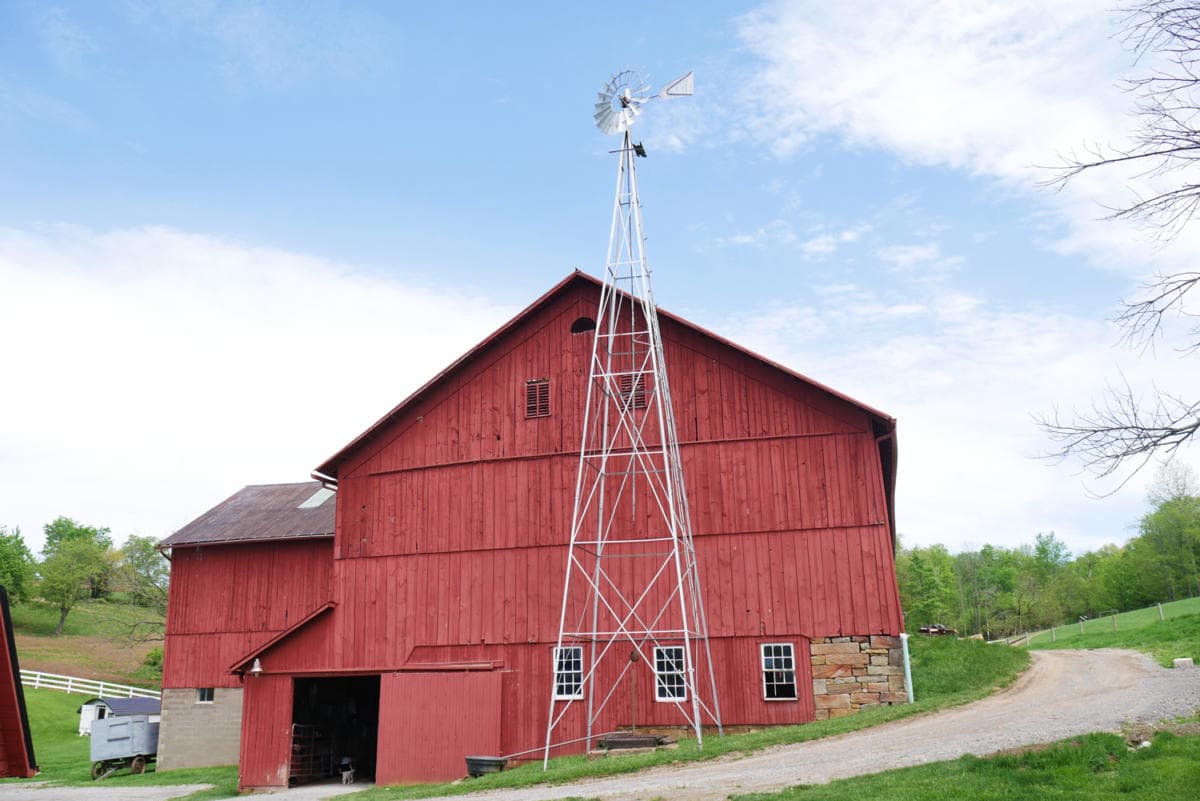
The farms sit in north-central Holmes County, just south of Fredericksburg, in a stretch of the county where agriculture remains a defining economic force. Visitors saw Jonas Yoder’s greenhouses, where tomatoes are grown with help from bumblebees brought in from Michigan for pollination. At Weaver’s Truck Patch, the family operation extends beyond vegetables to maple syrup made from tapped sugar maple trees, a reminder that the county’s farm economy is often diversified rather than single-crop and that value is added in more than one way before food reaches a shopper or buyer.
Why the market matters to buyers
Tuscarawas Valley Farmers Market is the connector that turns those farms into a reliable supply line. The market’s leaders say the tours have been happening for about 10 years as a way to educate the public about what it takes to grow local food and deliver it consistently. That educational piece matters because the market’s buyers are not simply browsing for produce, they are relying on vendors who can meet ongoing demand with quality, consistency and stewardship.

Mark McKenzie and other market leaders have emphasized that mission in public appearances, describing the market’s role as providing field-ready food in forms that meet community needs. The Food Hub program is the practical side of that mission, linking growers with institutional and commercial customers that need volume, dependable timing and product that can move quickly from field to kitchen. In that sense, the market is doing more than creating a pleasant Saturday-style shopping experience. It is building the logistics that allow Holmes County farms to operate inside a broader regional food economy.
The scale of Holmes County agriculture
The economic backdrop is large enough to explain why these farms matter so much. According to USDA National Agricultural Statistics Service, Holmes County had 1,736 farms in 2022, with 184,549 acres in farms and $291.415 million in market value of agricultural products sold. Livestock, poultry and products accounted for 84% of sales, while crops made up 16%, underscoring how deeply agriculture is woven into the county’s economy even when the visible face of it is a produce stand or greenhouse.
The county profile also shows the scale and the pressure points behind that strength. Holmes County had 399 farms with $100,000 or more in sales, which signals a substantial base of commercial farm operations. At the same time, 53% of operators were age 65 and older, a figure that places succession and farm continuity at the center of the county’s long-term agricultural outlook. The tour, then, was not only about tomatoes, maple syrup and market tables. It was a look at how a mature farm economy keeps replacing, adapting and organizing itself so the next generation can keep goods moving.
A market with room to grow
Tuscarawas Valley Farmers Market has been building that bridge since its founding in 2009 as a 501(c)(3) nonprofit. The market runs every Wednesday from 3 to 7 p.m. at the Tuscarawas County Fairgrounds in Dover from June through mid-October, giving nearby households, businesses and institutions a regular place to buy local food. That steady rhythm helps explain why the market has become important enough to draw buyers from outside the immediate farm county as well.
The numbers suggest rising demand. Market leadership has said an anchor vendor’s sales grew from $4,700 in 2008 to $55,000 in 2024, a dramatic jump that points to broader acceptance of local food as a dependable purchasing option. Leaders are also discussing a roughly 20,000-square-foot all-weather market on a 13.71-acre Oxford Street parcel in Dover, which would give the market a more permanent and weather-resilient home. If that plan advances, it would mark a shift from seasonal market activity to a stronger year-round platform for regional agricultural sales.
Food security and local stewardship
The Holmes County Farm Bureau frames that broader system in practical terms. The organization says it exists to protect property rights and to partner farmers and consumers in improving food quality, quantity and safety. That mission lines up with what the tour revealed: local food is not only a consumer preference, it is part of how the county maintains access to fresh, trustworthy products and keeps working farmland economically viable.
That same public-minded approach shows up in hunger relief. Through its Harvest for Hunger dinners, the Holmes County Farm Bureau raised $56,000 over five years to help county food pantries. The connection matters because it shows local agriculture operating on two tracks at once: as a source of income for growers and as a support system for neighbors who need food assistance.
The tour of Weaver’s Truck Patch and Yoder’s Family Produce made the county’s farm economy visible in one place, but the bigger picture is regional. Holmes County farms are supplying households, restaurants and hospital kitchens, and the market infrastructure in Dover is helping move that food where it is needed. That is the kind of local economy that does not just preserve farmland. It turns it into a durable part of everyday life beyond the county line.
This article was produced by Prism’s automated news system from verified source data, official records, and press releases, then run through automated quality and moderation checks before publishing. The system is built and supervised by the people who set the standards it runs under. Read our full AI policy.
Did this article answer your question?