Mid-May weather keeps Holmes County farms on the move
Dry hours are at a premium from Millersburg to Holmesville, and Holmes County farms are racing to plant, spray, and care for livestock between storms.

From Millersburg to Berlin, Walnut Creek and Holmesville, mid-May weather has kept Holmes County farms in constant motion, forcing planting, field prep, weed and pest work, and livestock care into the same short stretch of dry time.
That pressure lands on a county where farming is a major part of the economy, not a sideline. USDA’s 2022 Census of Agriculture counted 1,736 farms in Holmes County on 184,549 acres, with an average farm size of 106 acres and agricultural sales totaling $291.415 million. Livestock, poultry and products made up 84% of those sales, while crops accounted for 16%.
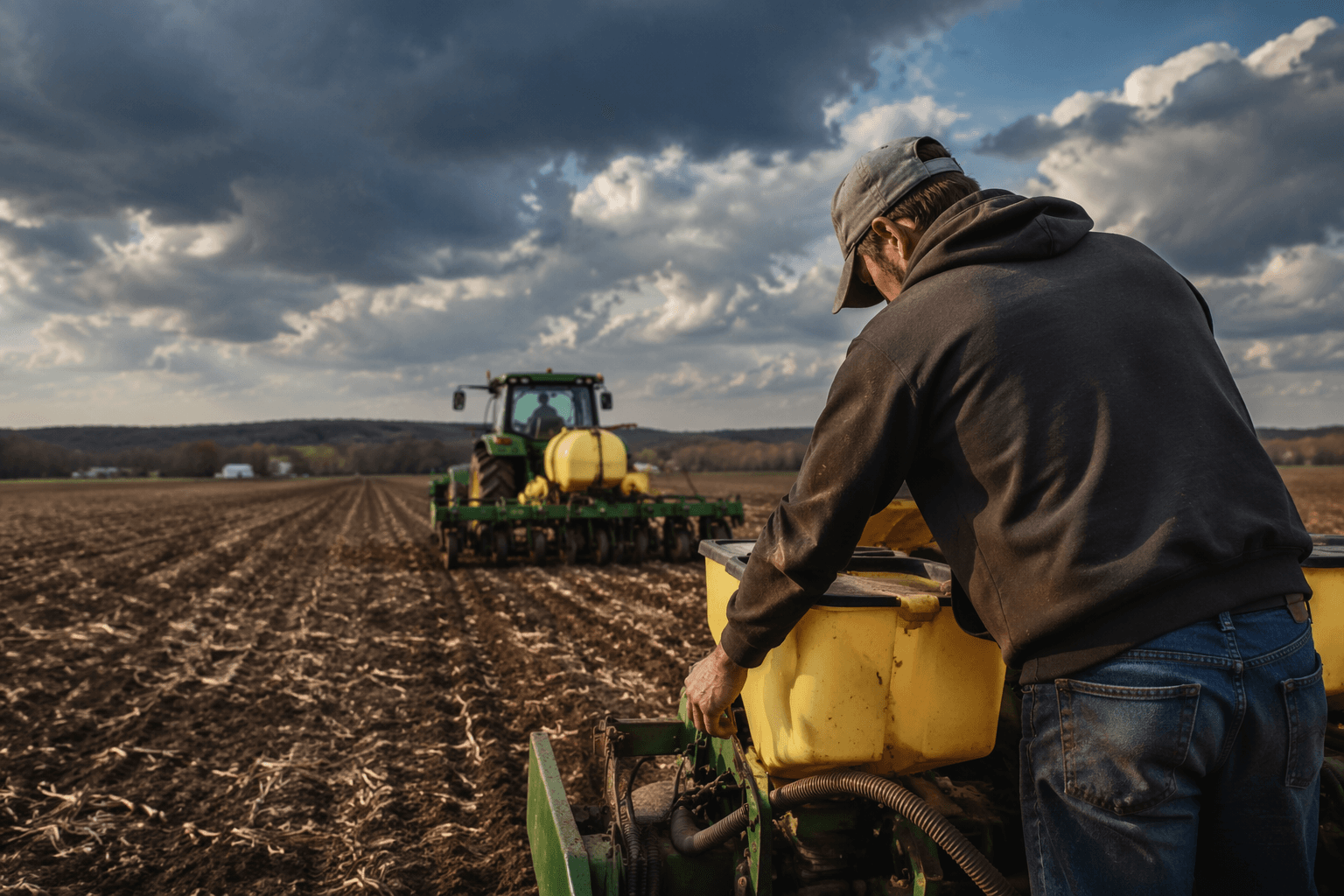
The county’s biggest sales categories help explain why May gets so crowded. Milk from cows brought in about $60.136 million, cattle and calves about $16.121 million, and poultry and eggs about $4.005 million. The census also shows the mix of farm sizes that defines the county’s landscape: 457 farms had sales under $2,500, while 399 had sales of $100,000 or more. By acreage, 753 farms fell between 50 and 179 acres, a scale that often means family members are juggling several jobs at once when the weather breaks.
That is why a stretch of sunshine matters so much. Holmes County climate normals put the average last spring frost around May 2, with about 40.7 inches of annual precipitation. In practice, that means every clear morning can become a race to finish fieldwork before the next round of rain, while livestock chores, equipment checks and pasture decisions keep moving in the background.
The work spills into every part of county life. When farmers are moving seed, parts, feed and supplies, the rhythm of the back roads and village streets changes too, and so does the pace in shop stops and ag businesses across the county. In a place built around dairy barns, cattle herds and family operations, a busy farm week affects family schedules, cash flow and the timing of what comes next.
Local farm support keeps pace with those demands. The Ohio State University Extension office in Millersburg, at 111 East Jackson St., is promoting Tick Talk: Protecting People, Pets, and Livestock and 2026 quality assurance information. The Holmes County Farm Bureau has also been highlighting manure pit training for livestock producers and first responders, along with support for junior livestock exhibitors.
Those efforts matter as county farms move toward the rest of the season. Ohio has 95 county and independent fairs, and the Ohio Department of Agriculture works with veterinarians and exhibitors on animal health. At the same time, OSU Beef Team planting guidance for pasture and forage crops is another reminder that May in Holmes County is about more than planting corn or soybeans; it is about keeping feed, livestock and labor lined up for the months ahead.
This article was produced by Prism’s automated news system from verified source data, official records, and press releases, then run through automated quality and moderation checks before publishing. The system is built and supervised by the people who set the standards it runs under. Read our full AI policy.
Did this article answer your question?