Federal Forest Service Cuts Could Impact Upper Peninsula Research, Resources
Two U.P. Forest Service research sites in Houghton and L'Anse face closure, threatening Iron County's prescribed burn guidance, timber inventory, and invasive species response.
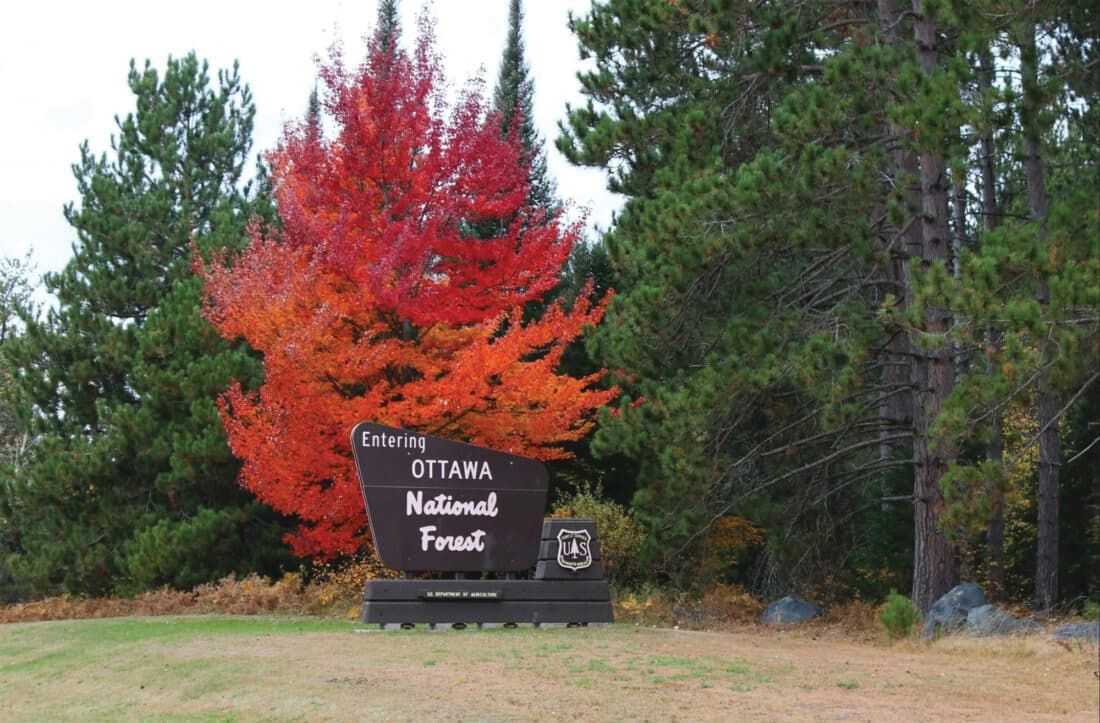
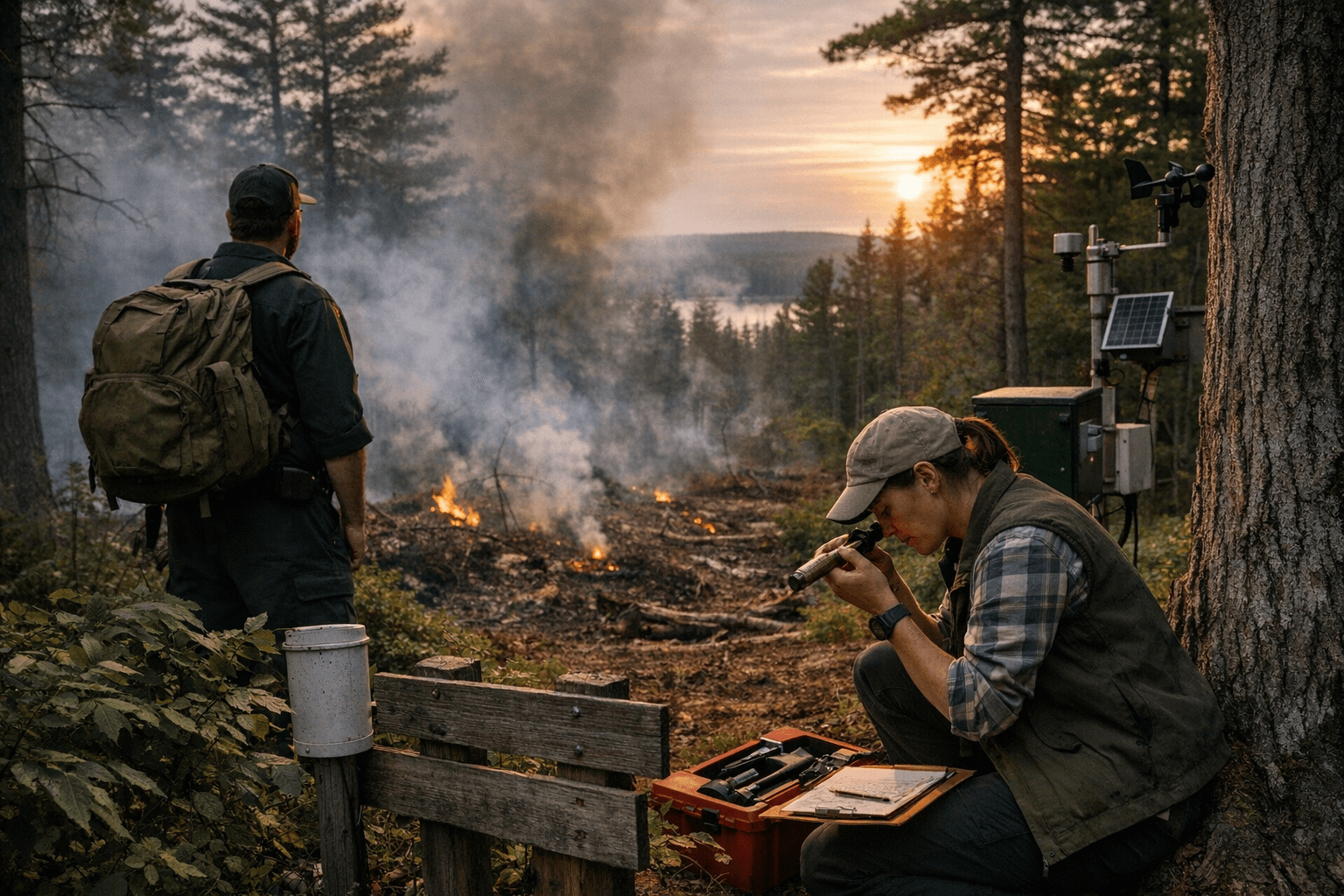
The prescribed burn plans that guide when and where crews ignite controlled fires across Iron County's national forest lands depend on updated fuel-load data produced at two Upper Peninsula research centers the federal government now plans to close.
The U.S. Department of Agriculture announced the restructuring at the end of March, naming Forest Service research facilities in Houghton and L'Anse among 57 slated to close nationwide. Two more Michigan sites, in East Lansing and Wellston, face the same fate. Forest Service headquarters will move from Washington, D.C., to Salt Lake City, with implementation phased over the next year rather than taking effect immediately.
Iron County sits within a landscape that holds nearly three million acres of Great Lakes national forest, and local managers, timber contractors, and conservation districts rely on Houghton- and L'Anse-based scientists for wildfire risk assessments, invasive species monitoring, timber inventories, and long-term ecological data. That research pipeline informs county-level decisions on logging permits, prescribed burning windows, and road access on forest lands.
David Flaspohler, dean of Michigan Tech's College of Forest Resources and Environmental Science, called the closures "very disappointing," pointing to the cooperative research ties between the stations, universities, and state agencies that have taken years to build.
The Agriculture Department said the reorganization puts leaders "closer to the landscapes we manage," but critics argue that the Great Lakes region's ecological conditions, distinct from western forests, require dedicated local expertise. Madison, Wisconsin, has been named as the regional service center for the Great Lakes area, shifting administrative resources considerably farther from U.P. communities.
Timber operations and outdoor recreation businesses in Iron County could face longer waits for updated forest-health data and technical guidance as expertise consolidates westward. Grant-funded restoration partnerships between local conservation districts and Forest Service scientists also face potential delays or lapses in support, weakening grant competitiveness for projects that depend on that technical collaboration.
County officials and Michigan DNR staff are tracking USDA's formal implementation timeline and watching for announcements about where specific research responsibilities will be reassigned. State lawmakers and university partners are expected to mount pushback in the months ahead as the consequences for U.P. communities come into sharper focus.
This article was produced by Prism’s automated news system from verified source data, official records, and press releases, then run through automated quality and moderation checks before publishing. The system is built and supervised by the people who set the standards it runs under. Read our full AI policy.
Did this article answer your question?