Kauai summer meal programs help keiki bridge school break food gap
Kauai families have three summer food options for keiki, from grocery benefits to free meal sites and pickup boxes, as school cafeterias close.
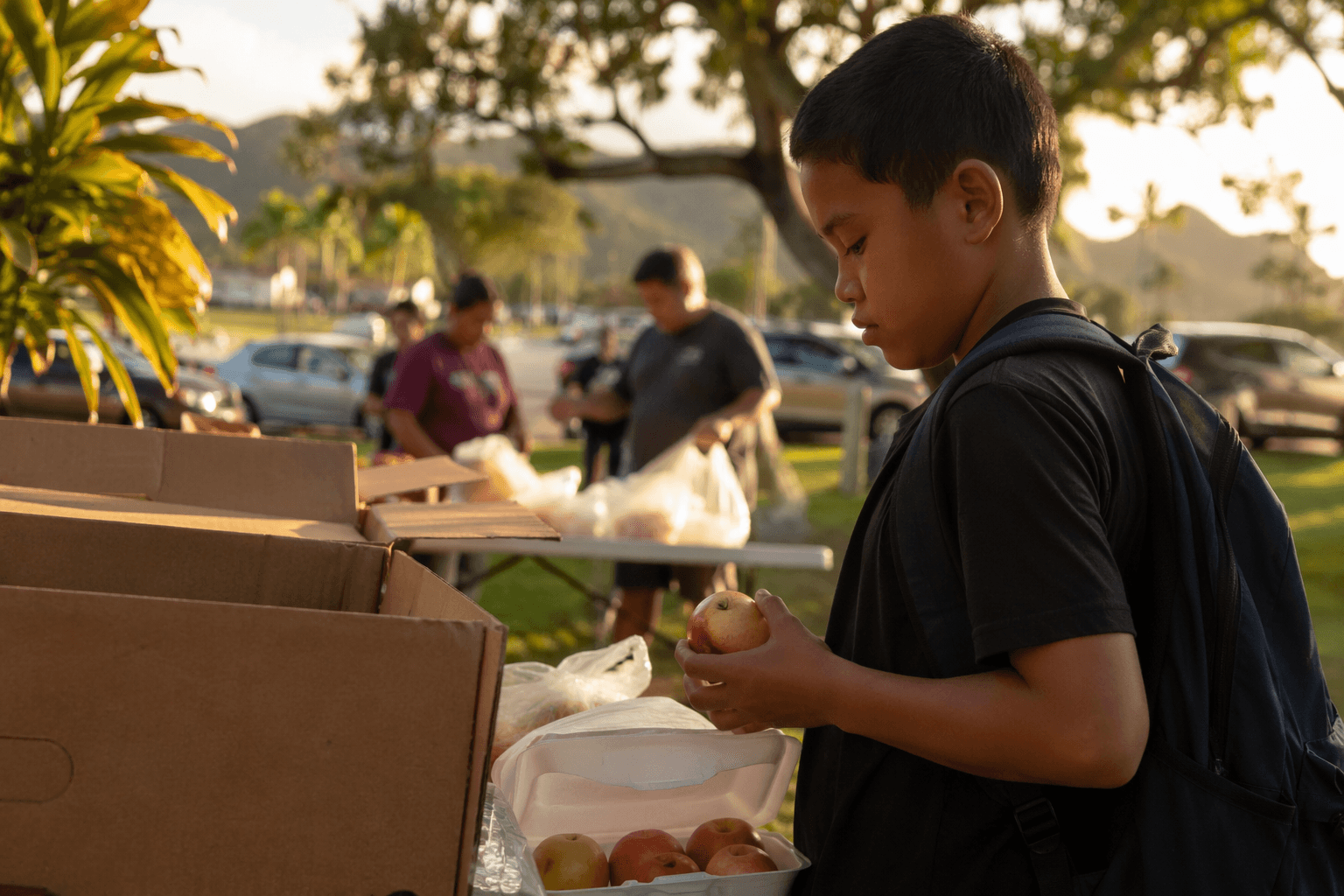
Three paths to keep keiki fed when school lets out
When school cafeterias close for the summer, Kauai families do not have to choose between a stretched grocery budget and steady meals for their children. Three programs now give parents, grandparents, guardians, and caregivers different ways to cover the break: SUN Bucks for grocery purchases, free SUN Meals at designated sites, and Kaukau 4 Keiki meal boxes for home use.
That mix matters because not every household needs the same kind of help. Some families need help paying for food already in the cart. Others need a place where children can sit down and eat during the day. Still others need a boxed supply of breakfasts and lunches they can bring home and stretch over a week. Together, the programs are designed to soften the summer food gap and keep keiki fed while the school-year routine is on pause.
SUN Bucks helps cover the grocery bill
SUN Bucks, also called Summer EBT, is the most flexible option of the three. Hawaii’s Department of Human Services describes it as a new, permanent program for eligible households with school-aged children that provides benefits to buy food during the summer. DHS said the program is returning for Summer 2026, and the online application is open.
The key detail for families to remember is that eligibility is not automatic forever. DHS says it must be established annually, so households should not assume that last year’s status carries them through this summer without action. DHS administers the benefit in partnership with the Hawaii Department of Education, which gives the program a school-linked structure even though the dollars are intended for grocery purchases.
For families trying to stretch a fixed income, that design can help in a direct way. SUN Bucks does not require a child to travel to a meal site or fit into a pickup schedule. It is meant for households that would rather keep buying food the way they normally shop, while still getting summer support tied to the child’s school-year eligibility.
SUN Meals offers free weekday meals across the island
For children who can get to a meal site, SUN Meals is the most immediate option. The program, formerly known as the Summer Food Service Program, provides congregate weekday meals at designated sites across Kauai. All keiki ages 18 and under are invited, and no registration is required.
That no-registration rule is important. It removes one of the biggest barriers families run into with summer services, especially when schedules are already in flux. A child does not need to be signed up in advance or enrolled in a separate program to eat at the site.
This model also reflects the patchwork nature of summer feeding on Kauai. The U.S. Department of Agriculture has sought island sponsors to provide free summer meals through fixed sites, delivery, or mobile meal services, which shows how much the system depends on local partners. For families, that means availability can vary by site and by sponsor, so the practical next step is to identify the nearest designated location and use it regularly while school is out.
Kaukau 4 Keiki fills the home pantry
Kaukau 4 Keiki is the best fit for households that need food to take home. Hawaii Foodbank says the program provides meal boxes filled with groceries equal to about seven days of breakfasts and lunches for one child. The boxes include shelf-stable fruits and vegetables, proteins, starches, milk, fresh produce, bread, and other basics.
Mālama Kauai says its version of the program has been running since 2020, giving it a longer track record than many summer relief efforts. The organization distributes boxes through pickup sites to accepted applicants, which makes it different from SUN Meals. Instead of walking in for a free meal, families need to be approved and then go to a designated pickup point.
The Hawaii State Public Library System also promoted Kaukau 4 Keiki as a free summer meal box program for eligible children statewide, which adds another layer of visibility for families who may not already be plugged into food-assistance networks. For households juggling work schedules, childcare, and transportation, the boxed format can be especially useful because it turns one pickup into a full week of breakfasts and lunches.
How the three programs compare
The easiest way to think about the options is by asking three questions: who qualifies, what is provided, and where the food is accessed.
- SUN Bucks: eligible households with school-aged children; grocery-style summer food benefits; families apply online through the state system.
- SUN Meals: all keiki ages 18 and under; free weekday congregate meals; families show up at designated island sites, and no registration is required.
- Kaukau 4 Keiki: eligible children accepted into the program; meal boxes with about seven days of breakfasts and lunches; families pick up boxes at approved sites.
That comparison matters because each program solves a different problem. SUN Bucks helps when the issue is the grocery bill. SUN Meals helps when a child needs lunch during the day. Kaukau 4 Keiki helps when a family needs food already packed and ready to use at home.
The biggest ways families can miss out
The most common gap is not lack of need. It is failing to use the right doorway. A household can miss SUN Bucks by assuming eligibility does not need to be checked every year. It can miss SUN Meals by thinking the child must already be enrolled or that there is a sign-up form to complete first. It can miss Kaukau 4 Keiki by waiting for a walk-in option when the program relies on accepted applicants and pickup sites.
Summer food support on Kauai works best when families match their situation to the right program quickly. The state benefit can ease the grocery budget, the free meal sites can cover the midday meal, and the boxed program can stock the pantry for a full week. Taken together, they give island families a practical way to keep keiki healthier and help summer budgets hold up a little longer.
This article was produced by Prism’s automated news system from verified source data, official records, and press releases, then run through automated quality and moderation checks before publishing. The system is built and supervised by the people who set the standards it runs under. Read our full AI policy.
Did this article answer your question?