Search continues off Kauai after teen swept from Kahili Beach rocks
Matthew Kaimana Packard-Asai, 19, was last seen fishing on Kahili Beach rocks. Human remains were later found offshore, and officials suspended the search.

The Coast Guard and partner agencies searched off Kauai on Jan. 30 for 19-year-old Matthew Kaimana Packard-Asai, who was last seen fishing on the rocks near the northern point of Kahili Beach and was swept out to sea. Hawaii News Now and the Coast Guard described him as 5 feet 7 inches tall with black hair. On Jan. 31, human remains were found offshore in the search area near Kahili Beach, and officials suspended the search.
Kauai County posted a press release on the missing Kapaa resident and the search at Kahili Beach in Kīlauea, where first responders joined the effort. The case put a sharp focus on a shoreline that can look calm from a distance but turn hazardous fast when waves surge over exposed lava rocks and into the surf zone.
State ocean-safety guidance says beachgoers should check with a lifeguard about current conditions and hazards before entering the water, watch for posted warning signs, and check the local weather forecast and surf report on the day they go. Hawaii Ocean Safety also says strong currents can happen at any beach in Hawaii, and that beachgoers should stay out of the ocean and away from beaches and shorelines during severe weather until local authorities say it is safe.
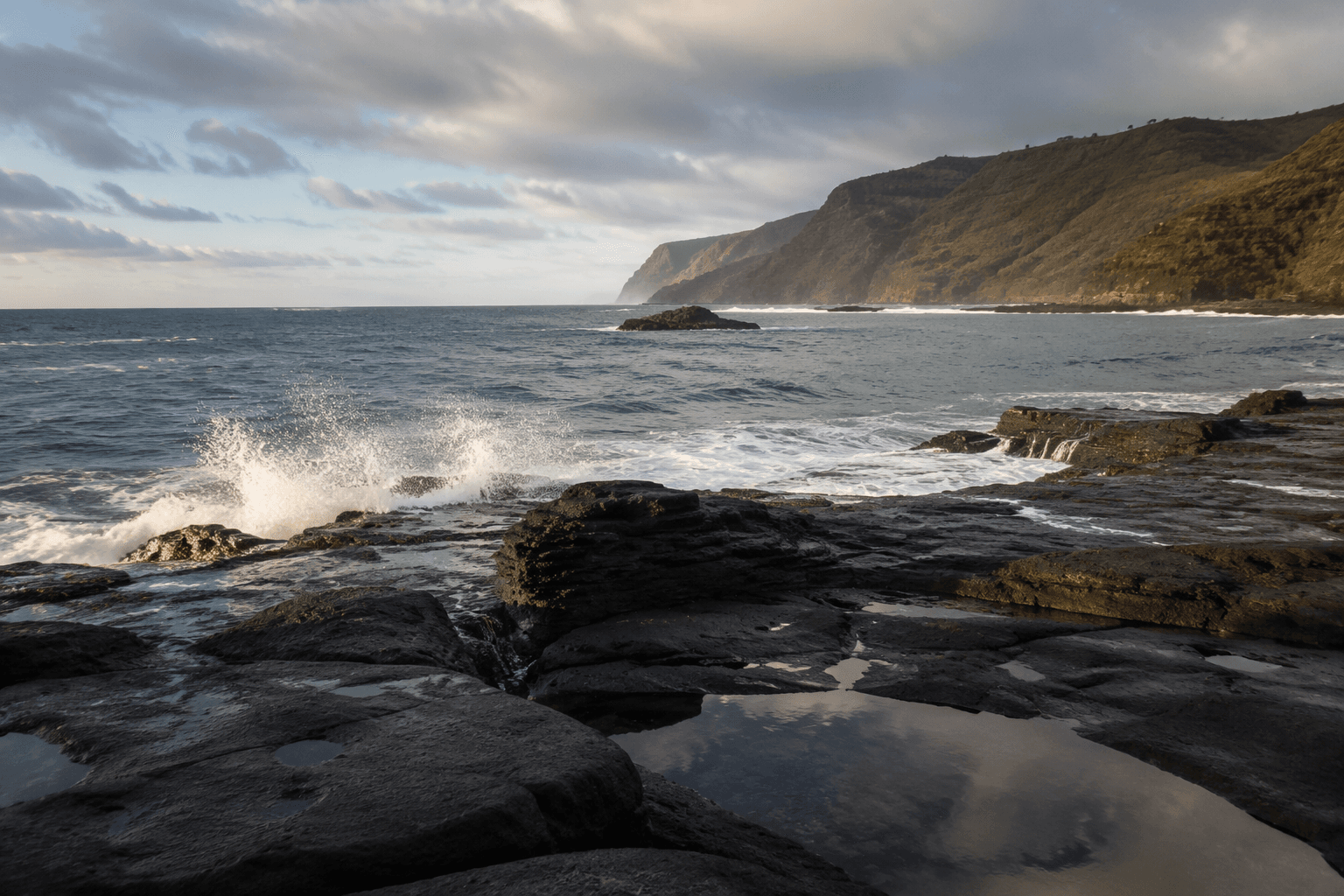
The shoreline itself can be dangerous even before anyone goes in the water. Hawaii Ocean Safety says dry sand can be washed over by fast-rising surf, and beachgoers should keep an eye on waves, shorebreak and tide levels near the waterline. For exposed spots like Kahili Beach, that means the risk is not limited to swimming or snorkeling: fishing from rocks, standing close to the edge or turning away from the ocean can leave little time to react.
The search near Kahili Beach showed how quickly a routine outing on Kauai’s coast can become a recovery operation. On a shoreline marked by rocks, surf and shifting conditions, the safest move is to check the warnings, look for lifeguard coverage and stay well back from the water when conditions are uncertain.
This article was produced by Prism’s automated news system from verified source data, official records, and press releases, then run through automated quality and moderation checks before publishing. The system is built and supervised by the people who set the standards it runs under. Read our full AI policy.
Did this article answer your question?