Congressman Biggs Pushes Colorado River Deal to Protect Yuma Farms
Rep. Andy Biggs pressed Interior Secretary Doug Burgum to scrap a federal water plan that critics say would cut Yuma's $3.2B farm sector supplying 80% of U.S. winter vegetables.
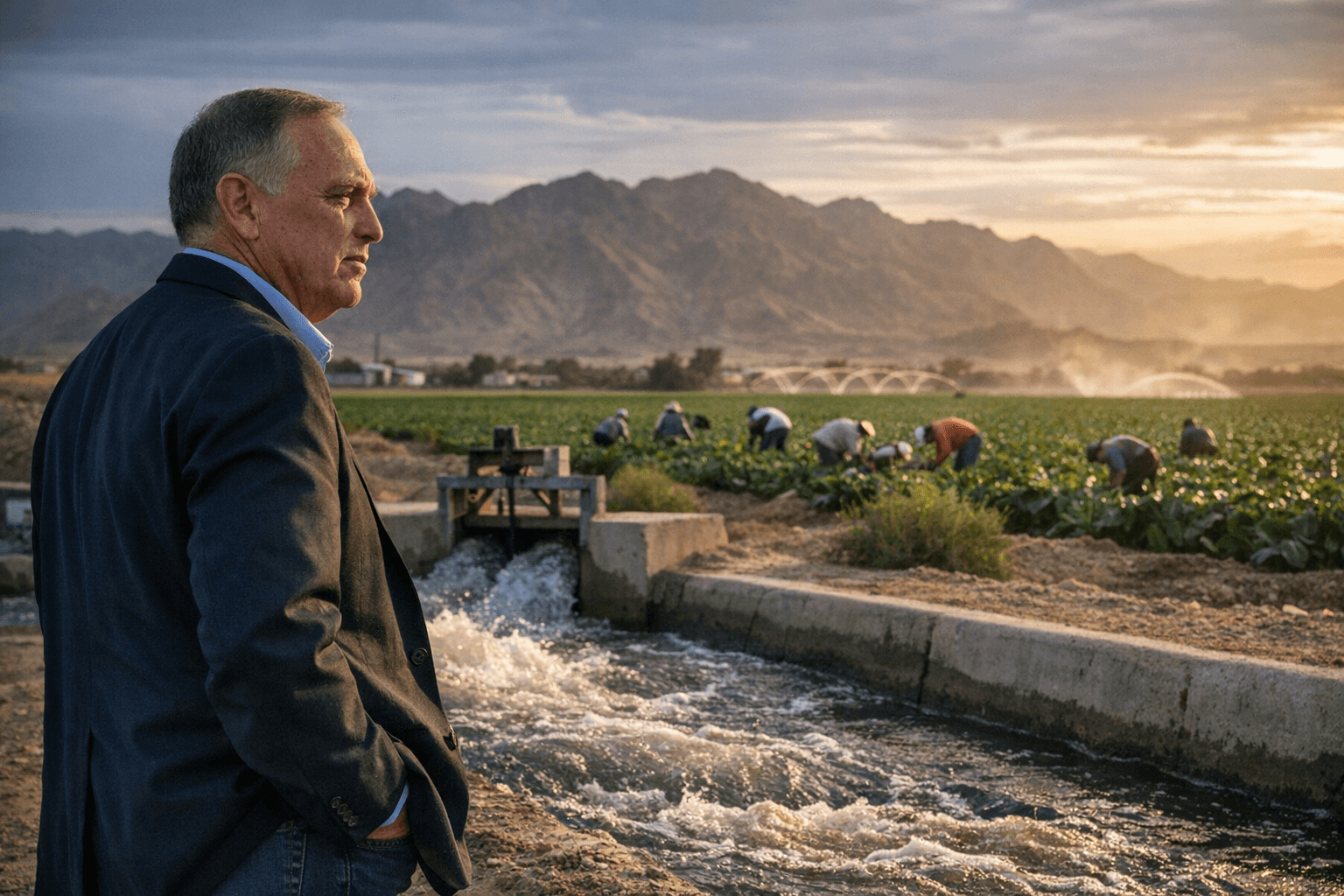
Arizona Rep. Andy Biggs pushed Interior Secretary Doug Burgum to withdraw a federal water-sharing proposal he says would devastate the Yuma agricultural sector that supplies roughly 80% of the nation's winter vegetables, with direct consequences for farm operations and irrigated land across neighboring La Paz County.
Biggs met with House and Senate Republicans at the state Capitol on March 13 to coordinate strategy on the Colorado River negotiations, warning that the Interior Department's draft environmental impact statement places all required water reductions on Lower Basin states while simultaneously allowing Upper Basin states to increase their own consumption. The Lower Basin, which includes Arizona, represents roughly 75% of the Colorado River basin's population, 76% of its jobs, and 78% of its crop sales, according to the delegation's March 2 letter to the Interior Department.
"We're working with the Bureau of Reclamation and trying to make our case and we really haven't seen much help from the Governor's Office," Biggs told reporters after the Capitol meeting.
The stakes for La Paz County are concrete. Irrigated farmland there commands an estimated $282 per acre in premium value, ranking it among the highest in the entire Colorado River Basin alongside Yuma and Imperial County, California, precisely because it draws from the same Lower Colorado River mainstem. A federal deal that reduces Arizona's allocation would put that premium, and the farm operations it supports, under direct pressure.
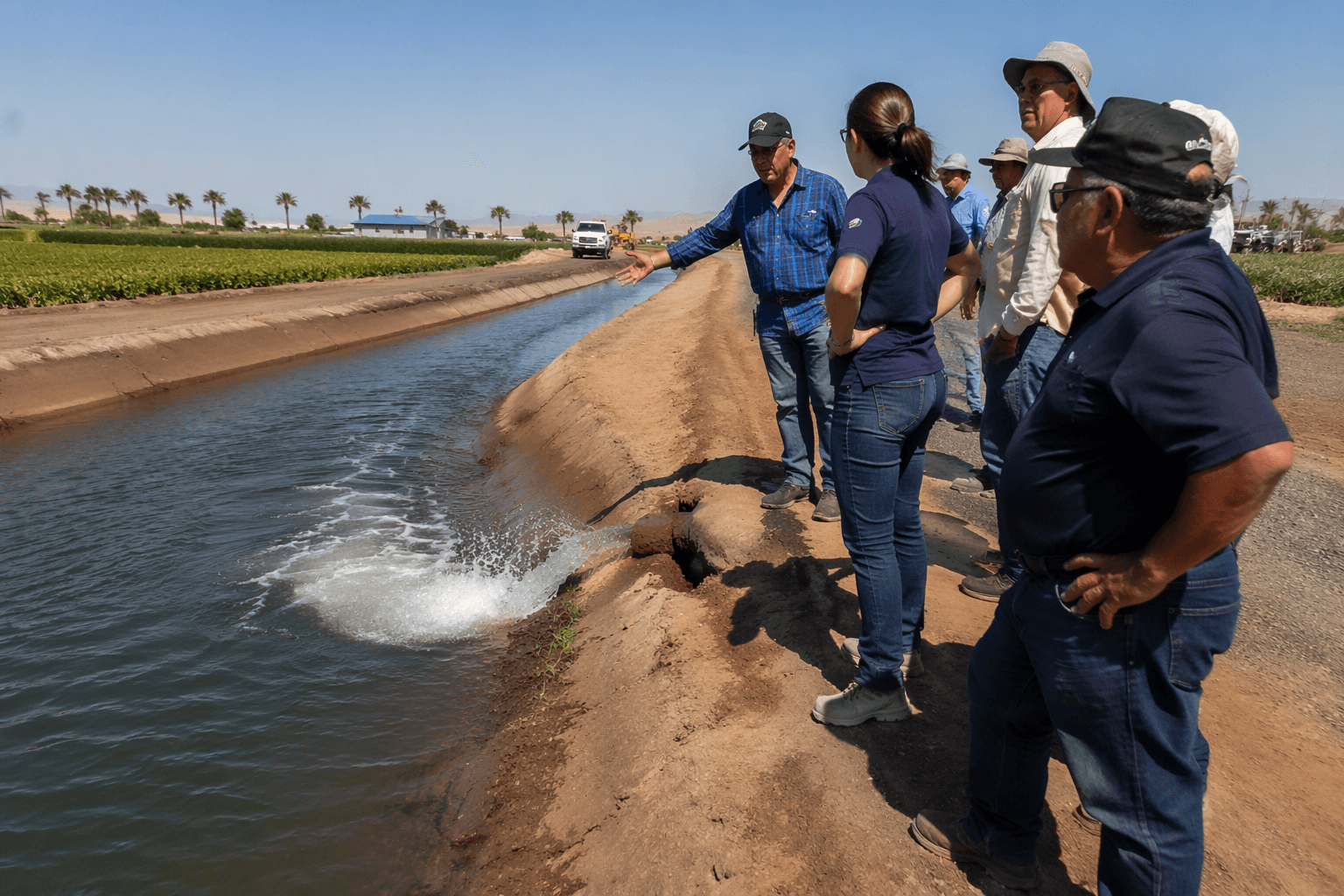
Yuma County's agricultural sector generates $3.2 billion in annual gross economic returns, more than a third of Arizona's $9.2 billion statewide farm total. Under the federal framework as currently proposed, non-tribal agriculture ranks as the lowest-priority water user, meaning farms in Yuma and La Paz counties would face the steepest cuts ahead of cities and tribal water rights holders if reductions are imposed.
Biggs joined Democratic Sen. Mark Kelly in the March 2 letter calling on the Bureau of Reclamation to rescind the draft EIS, arguing that none of its outlined alternatives are favorable to Arizona. "Whether we like it or not, Washington, D.C. deals in politics and parties, and that's why I'm glad Senator Kelly is working on this and pushing from his side, and we're pushing from our side," Biggs said.
As part of his broader water strategy, Biggs also pushed to restart Yuma's dormant desalination plant, completed in 1992 with a capacity of 73 million gallons of treated water per day. The facility has operated only twice since construction and currently sits idle.
A temporary interstate water-sharing agreement expires December 31, 2026, and the seven basin states have missed multiple self-imposed negotiating deadlines, including one in February. The Bureau of Reclamation received over 18,000 public comments before the March 2 deadline closed but has not yet outlined a path forward.
Arizona Senate Natural Resources Committee Chair T.J. Shope called the eventual vote on any Colorado River deal one of the most consequential in state history, saying it would rank among "the biggest decisions that anybody will make in their entire legislative or gubernatorial career.
This article was produced by Prism’s automated news system from verified source data, official records, and press releases, then run through automated quality and moderation checks before publishing. The system is built and supervised by the people who set the standards it runs under. Read our full AI policy.
Did this article answer your question?