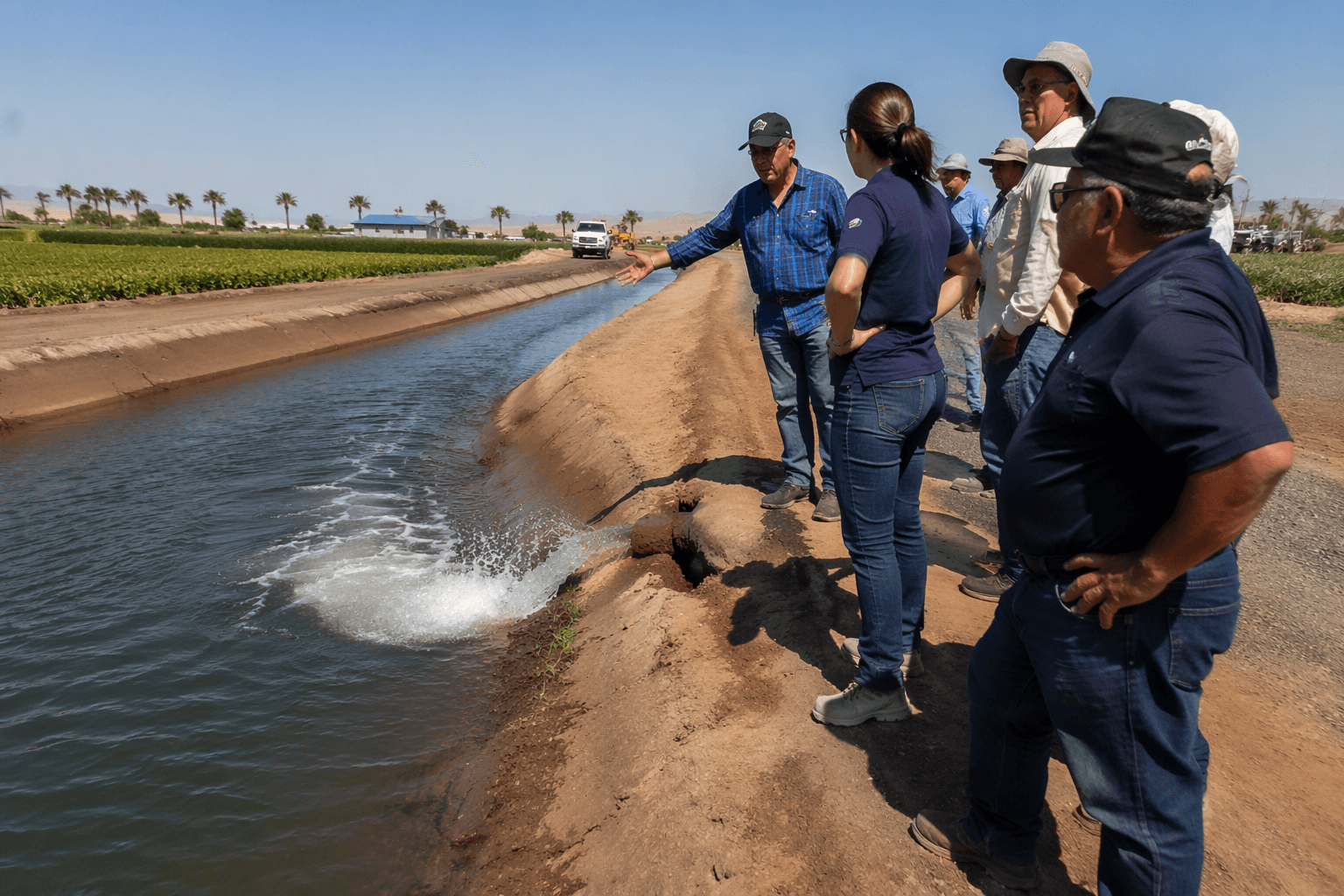
La Paz County Leaders Push for Pragmatic Colorado River Water Solutions
With Colorado River guidelines expiring in 2026 and no deal in sight, La Paz County's Parker Strip economy faces a 27% cut to Arizona's water allocation.
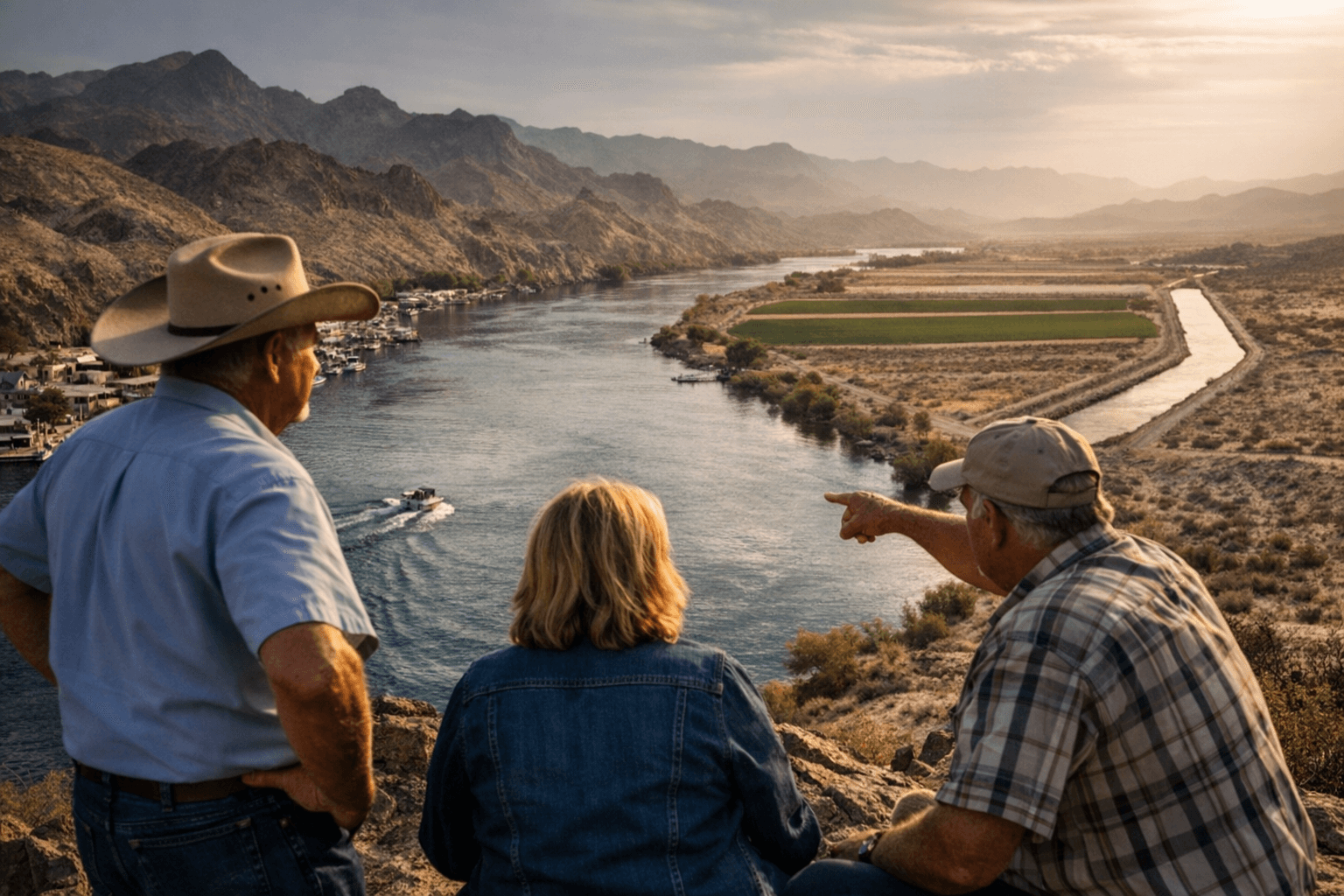
The 16.5-mile stretch of the Colorado River running through La Paz County, known as the Parker Strip, has drawn summer visitors and winter snowbirds for more than 50 years. Now, with the federal guidelines governing the river set to expire at the end of 2026 and interstate negotiations stalled, local leaders are pressing for solutions that protect the river-dependent economy anchoring the county's two main towns, Parker and Quartzsite.
Tourism is the county's top industry, built almost entirely around water-based recreation along the corridor between Parker Dam and Headgate Rock Dam. A prolonged water fight between seven basin states, combined with the absence of a confirmed Bureau of Reclamation commissioner in Washington, has left Arizona's allocation unresolved at a critical moment. Arizona State Representative Greg Stanton has publicly called the leadership vacuum at Reclamation "a bad situation," and negotiators from Nevada to California have echoed frustration with the pace of talks.
Arizona Department of Water Resources Director Tom Buschatzke has made the state's position clear: any sustainable framework must distribute cuts across all states that draw from the river. "All of those who benefit from the Colorado River's bounty must share in the responsibility to preserve the river's health," Buschatzke said in a February statement. Under a lower basin proposal currently on the table, Arizona would absorb a 27% reduction in its allocation, compared to 17% for Nevada and 10% for California, a disparity Arizona's negotiators have pushed back against.
A federally imposed deadline for a negotiated agreement passed earlier this year without a deal. Arizona leaders have broadly opposed the Interior Department's draft environmental impact statement, viewing it as an inadequate framework for a post-2026 river management system that could shape water policy for the next two decades.
For La Paz County, where the Colorado River is not background scenery but the economic foundation, the absence of a negotiated agreement carries direct consequences. Businesses along the Parker Strip that depend on predictable water levels for boating, fishing, and shoreline recreation face a planning horizon clouded by unresolved interstate politics.
The river entered 2026 under a Tier 1 shortage designation, triggering mandatory cutbacks for Arizona and Nevada. With all seven basin states still at the table but no framework in place, the pressure on Arizona's business community and local leaders to articulate a pragmatic path forward is intensifying as the post-2026 deadline looms.
This article was produced by Prism’s automated news system from verified source data, official records, and press releases, then run through automated quality and moderation checks before publishing. The system is built and supervised by the people who set the standards it runs under. Read our full AI policy.
Did this article answer your question?