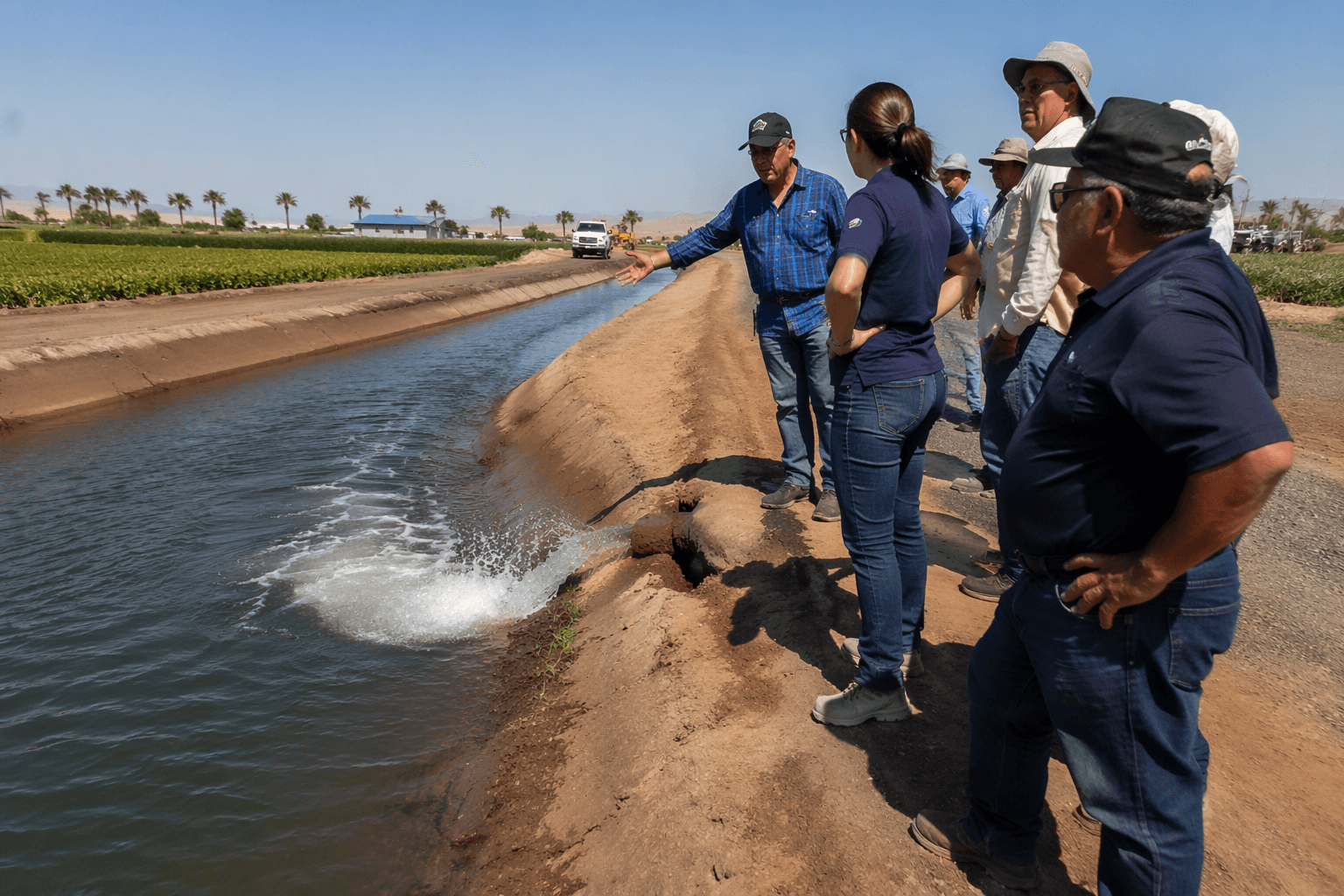
Court Upholds Grand Canyon Monument, CRIT Celebrates Ancestral Land Victory
The Ninth Circuit ruled Arizona lawmakers lacked standing to dismantle the nearly 1 million-acre Grand Canyon monument, handing CRIT and tribal partners a clean legal win.
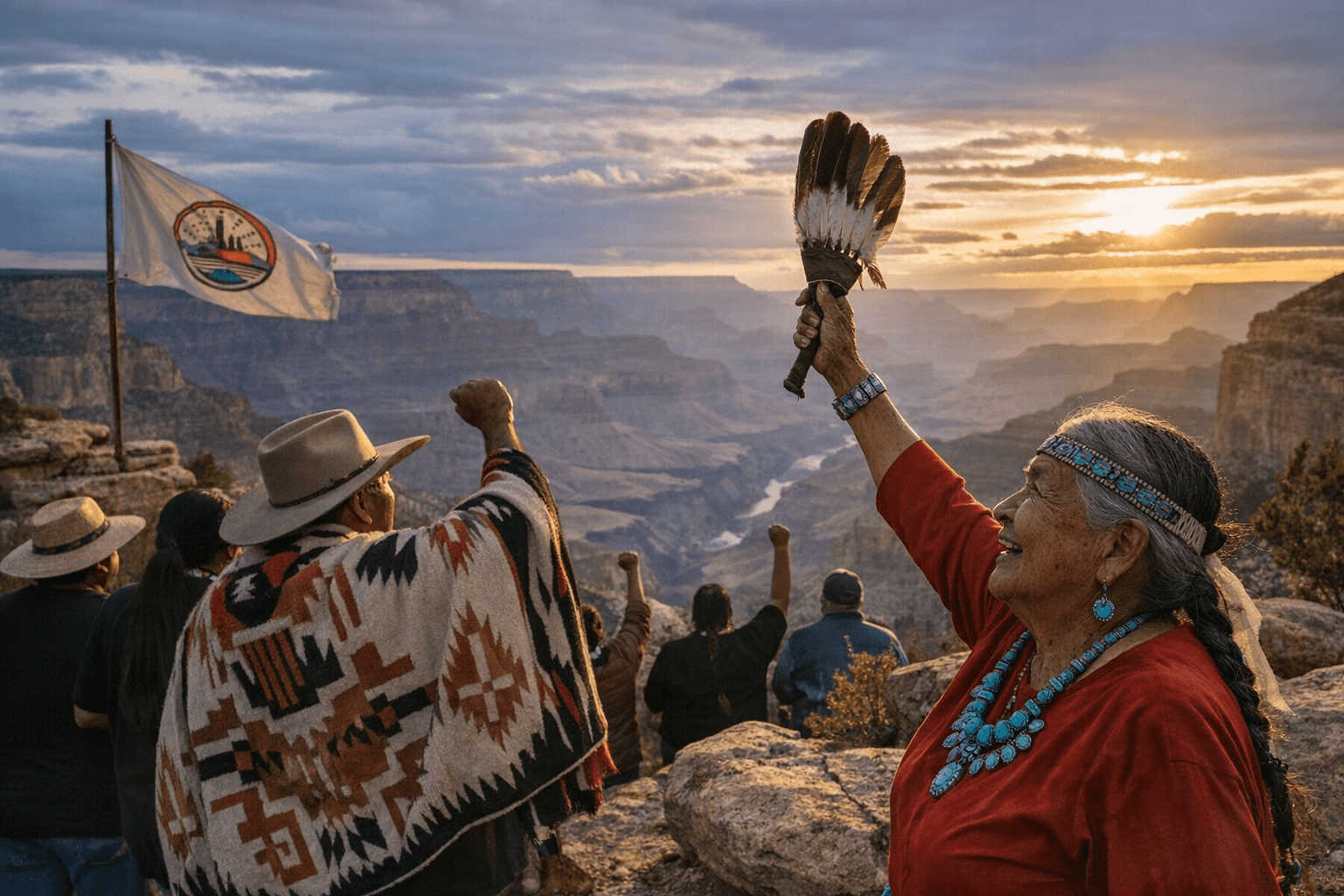
The Colorado River Indian Tribes, headquartered in Parker, declared a legal victory last week after the U.S. Ninth Circuit Court of Appeals rejected the Arizona Legislature's bid to dismantle the Baaj Nwaavjo I'tah Kukveni — Ancestral Footprints of the Grand Canyon National Monument, a ruling the tribe said honors ancestral lands and affirms tribal stewardship of the Colorado River corridor.
The three-judge appellate panel issued its decision on April 1, throwing out a lawsuit filed in 2024 by Senate President Warren Petersen and former House Speaker Ben Toma, both Republicans, who argued President Joe Biden violated the Antiquities Act when he designated the monument in August 2023. The court ruled that none of the plaintiffs had legal standing to challenge the 2023 presidential proclamation that established the monument, which protects approximately 917,000 acres of federal land surrounding the Grand Canyon. The court said state leaders didn't have standing to sue because their concerns about losing money in the future due to the mining ban in the protected area were speculative, not imminent.
CRIT's tribal media outlet, the Manataba Messenger, reported the tribe's response on April 6 from Parker. CRIT is a member of the Grand Canyon Tribal Leaders' Coalition and sits on the monument's tribal commission, and its leaders welcomed the Ninth Circuit's outcome as a vindication of long-standing cultural connections to the land and river. The Colorado River Indian Tribes praised the federal appeals court decision that leaves intact the nearly 1 million-acre national monument surrounding the Grand Canyon, calling it a win for tribal stewardship and protection of the Colorado River.
The monument's designation effectively barred mining on the roughly one million acres of land near Grand Canyon National Park. Mining on the land within the monument was already barred until at least 2032, but the new designation bans it indefinitely. The Grand Canyon Tribal Coalition, which includes CRIT alongside eleven other tribes, had originally proposed the monument and advocated for its creation.
Arizona Attorney General Kris Mayes celebrated the ruling. "Today's ruling is a victory for the people of Arizona and for the Indigenous community," her office announced. Petersen, however, vowed to press the fight, saying he was disappointed the court decided the challenge "came too soon" and pledging to work with the Trump administration to reverse the designation.
For La Paz County, where CRIT's reservation spans lands near Parker and Poston along the Colorado River, the ruling carries practical weight beyond cultural symbolism. Federal monument protections require agencies to weigh cultural resources and tribal interests in management, permitting, and conservation decisions, including ongoing post-2026 Colorado River operational planning in which CRIT has been an active participant. The tribe has also passed a resolution granting personhood status to the Colorado River under tribal law, and submitted formal comments on federal river management proposals, underscoring that this court victory is one piece of a broader legal and advocacy campaign CRIT is waging over western water and public land policy.
The Arizona Legislature has signaled it will continue pursuing all available avenues at the federal level, meaning the monument's protections could face renewed challenges. For now, the Ninth Circuit's decision keeps the boundaries intact.
This article was produced by Prism’s automated news system from verified source data, official records, and press releases, then run through automated quality and moderation checks before publishing. The system is built and supervised by the people who set the standards it runs under. Read our full AI policy.
Did this article answer your question?