Oxford profile spotlights Cave Man, a beloved local character
A Cave Man profile shows how Oxford’s remembered personalities, not just its institutions, help define downtown life, from the Square to a newspaper that began in 1876.
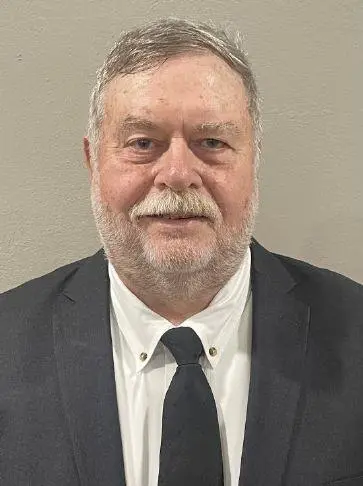
Oxford has no shortage of institutions, but its personality also lives in the people who become part of local shorthand. The Oxford Eagle’s feature, “Every town needs a Cave Man,” puts that idea at the center of a profile about a familiar Lafayette County character whose nickname already signals that he belongs to the town’s shared memory. In Oxford, where the University of Mississippi, the county seat, and a busy downtown all intersect, a recognizable figure can matter as much to the feel of the place as a landmark or a headline.
Cave Man as Oxford shorthand
The power of a nickname in a place like Oxford is that it moves quickly from person to place. A figure known as Cave Man becomes more than an individual when his name starts to work as a reference point in conversation, the kind of local shorthand that people use without needing an explanation. That is what gives this profile its weight: it is not just about a memorable character, but about how a town turns a familiar presence into part of its own language.
The feature’s title makes that point plainly. “Every town needs a Cave Man” frames the subject as someone who helps fill out Oxford’s daily texture, the sort of person who can be recognized by sight, by reputation, or by both. In a community where stories are often traded as readily as opinions, that kind of figure becomes part of the town’s informal archive, remembered in the same way a street corner, a storefront, or a familiar gathering place is remembered.
Why Oxford keeps making room for local characters
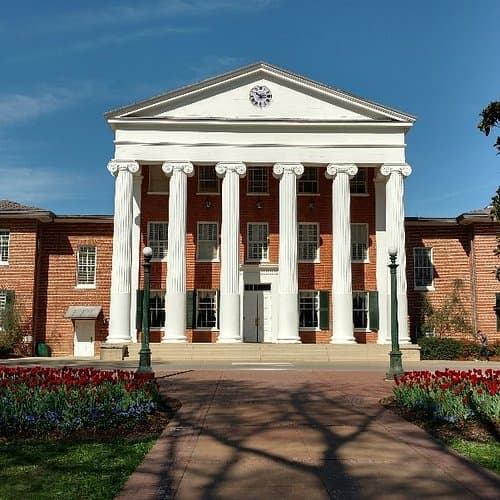
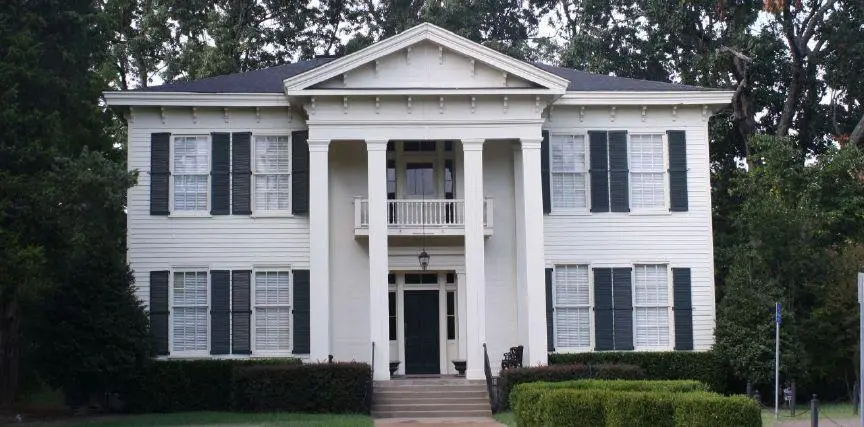
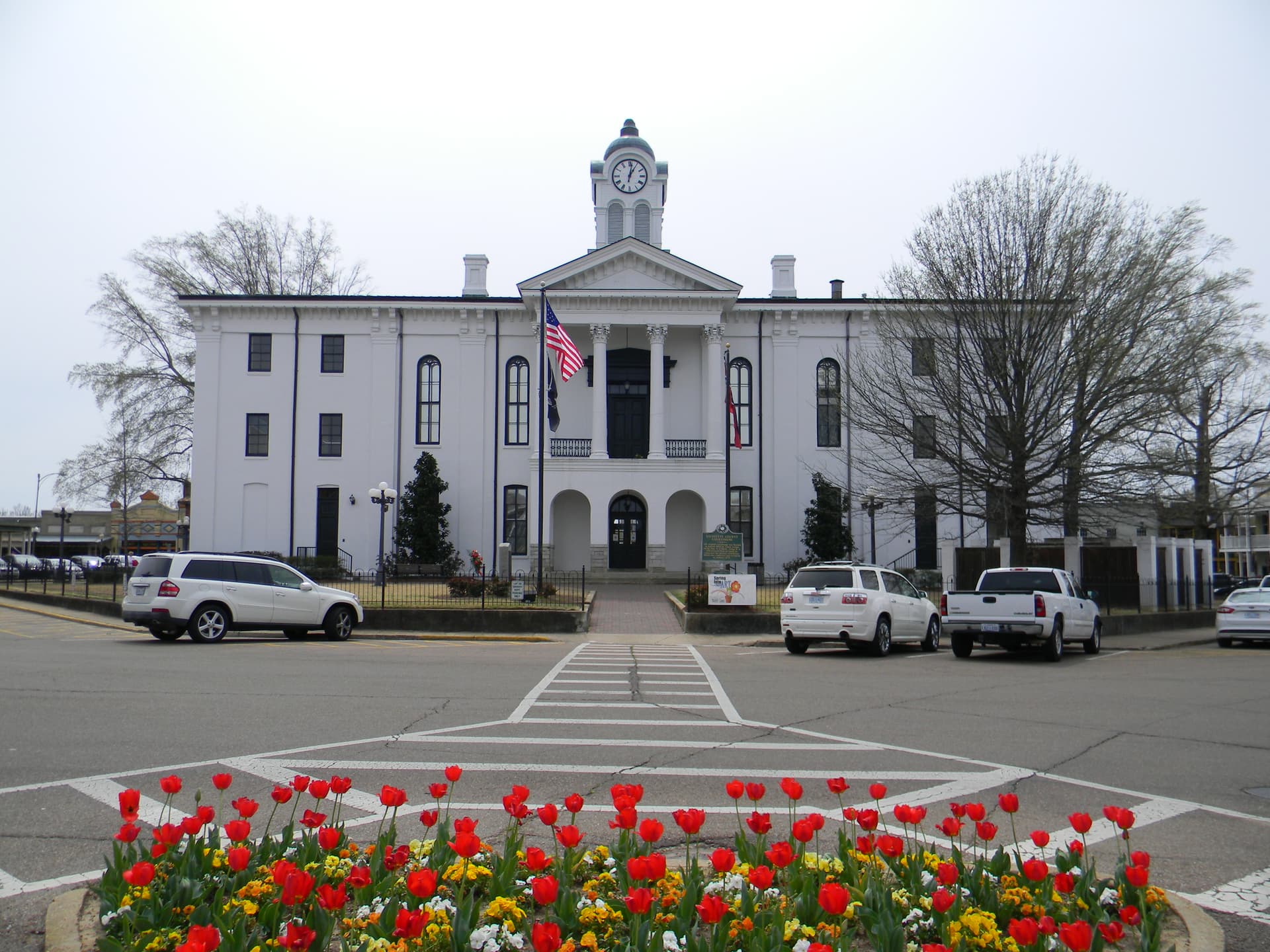
Oxford’s setting helps explain why a profile like this resonates. Lafayette County is the site of the University of Mississippi and the home of William Faulkner, and the Mississippi Encyclopedia describes the county as the educational and literary center of northern Mississippi since the antebellum period. The county was founded in 1836 and named for the Marquis de Lafayette, while Oxford serves as the county seat, which means the town carries both civic authority and cultural visibility.
That mix matters because it creates a place where institutional life and personal memory overlap. University traffic, county government, and the downtown business scene all shape Oxford’s daily rhythm, but so do the people whose names linger in local conversation. A character like Cave Man fits into that pattern, not as a novelty, but as part of the social fabric that gives Oxford a sense of continuity when storefronts change and routines shift.
This is also where the story’s larger value shows through. Places are often described through budgets, elections, and development decisions, but they are also held together by recognizable figures who make a town feel lived-in. In Oxford, a memorable local personality can anchor the kind of storytelling that keeps people talking about downtown, returning to it, and feeling that the place still belongs to them.
The newspaper tradition behind the profile
The Oxford Eagle is part of the reason this kind of story survives in the record at all. The Library of Congress dates the paper to 1876 and notes that it was still being published as a daily in 2020, a long run that places the newspaper squarely inside Oxford’s civic memory. The paper also describes itself as Oxford, Mississippi’s local newspaper, a role that fits a publication covering a county where heritage, university life, and neighborhood identity are tightly linked.
That history matters because local character profiles are a core part of what community newspapers do well. A feature like “Every town needs a Cave Man” does not only identify one person; it preserves the texture of Oxford at a moment in time, the kind of detail that can disappear if nobody writes it down. In a county founded in 1836 and tied to figures as enduring as Faulkner and the Marquis de Lafayette, the lived history of everyday personalities deserves a place alongside the better-known civic markers.
The result is a story about more than one man with a memorable nickname. It is a reminder that Oxford’s identity comes from both its formal institutions and its informal legends, and that the strongest local journalism captures both with the same care.
This article was produced by Prism’s automated news system from verified source data, official records, and press releases, then run through automated quality and moderation checks before publishing. The system is built and supervised by the people who set the standards it runs under. Read our full AI policy.
Did this article answer your question?