Rowan Oak reveals Lafayette County’s literary legacy beyond Faulkner
Rowan Oak still draws visitors year-round to Oxford, turning Faulkner's former home into a durable anchor for Lafayette County's literary identity.
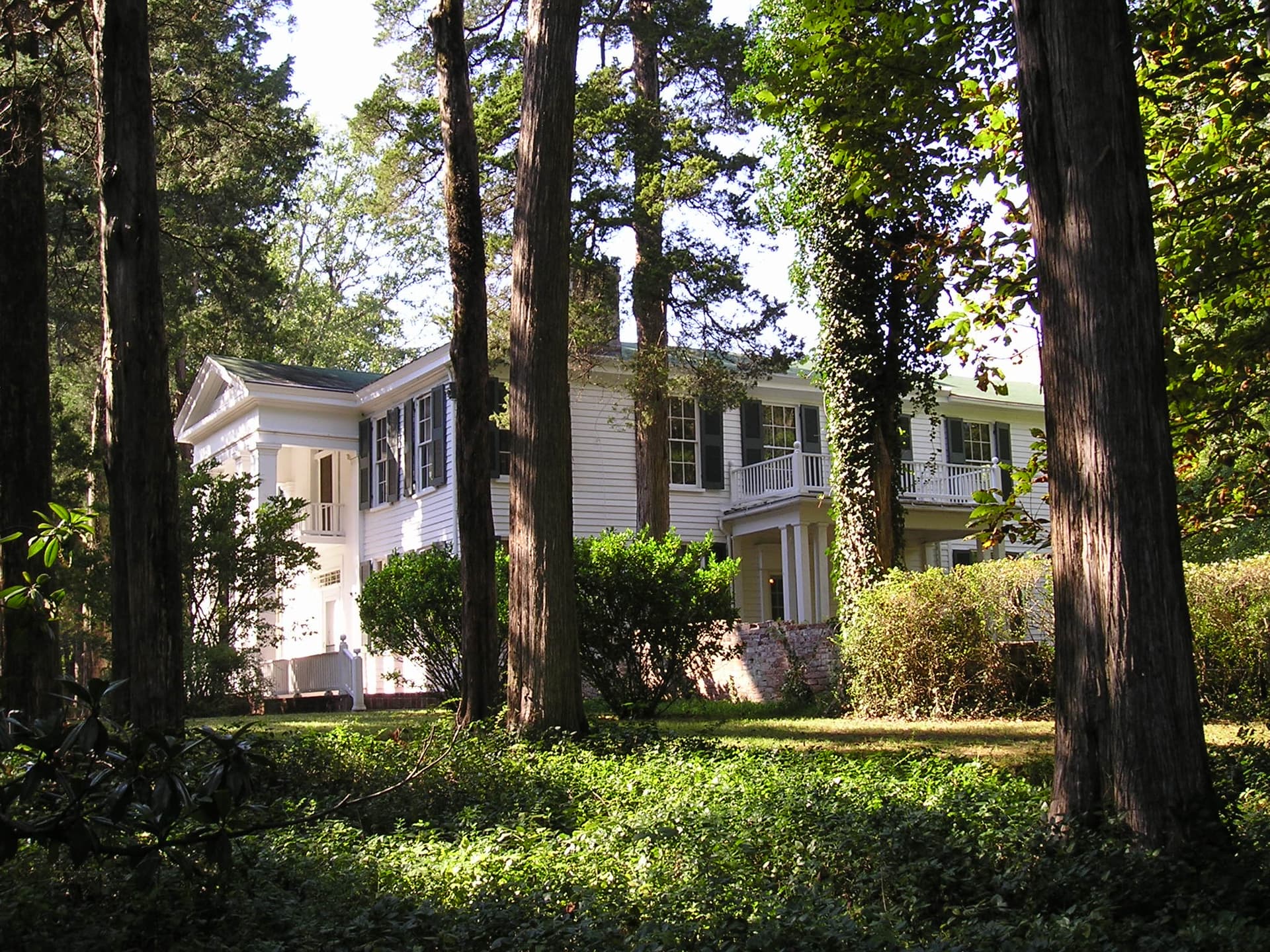
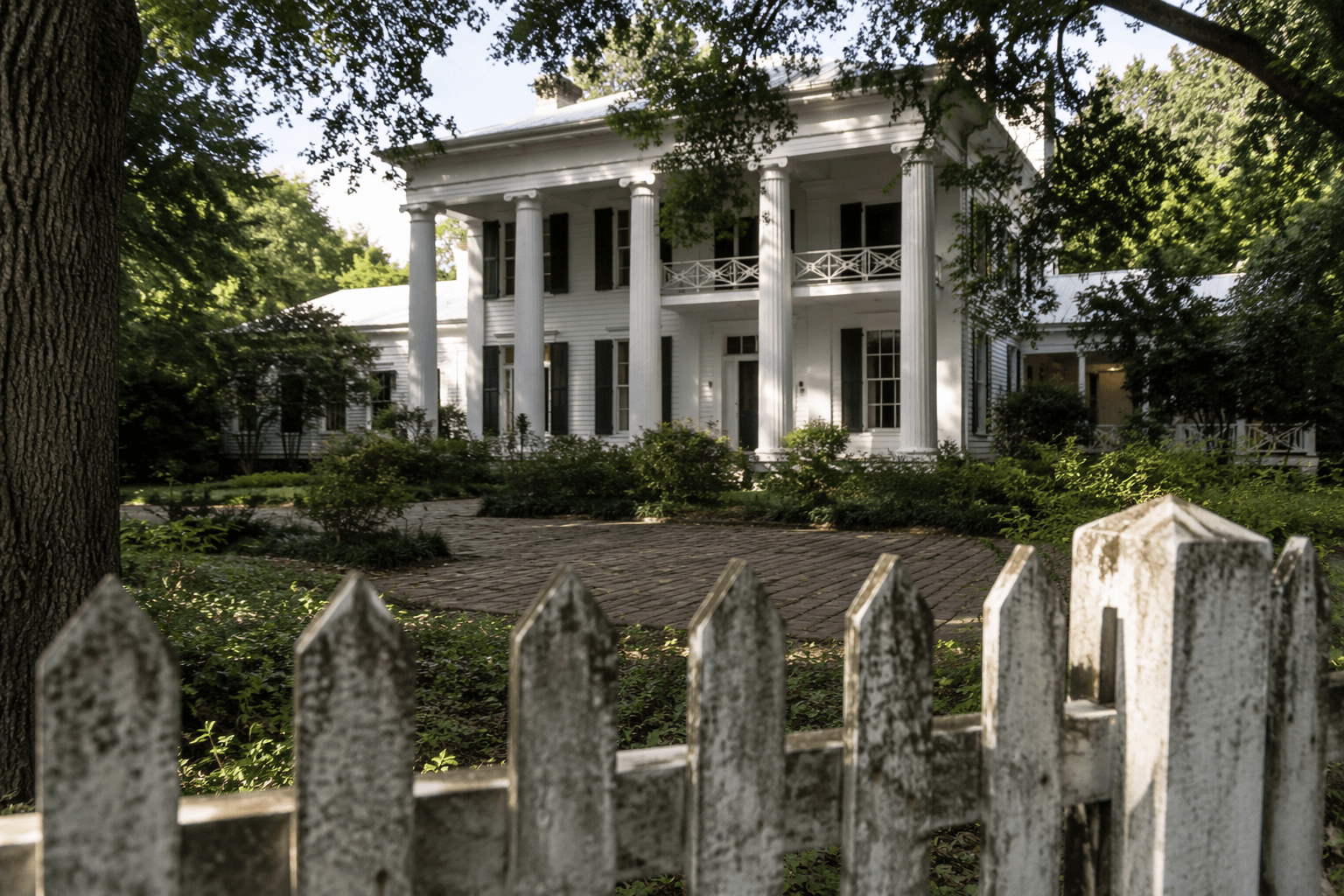
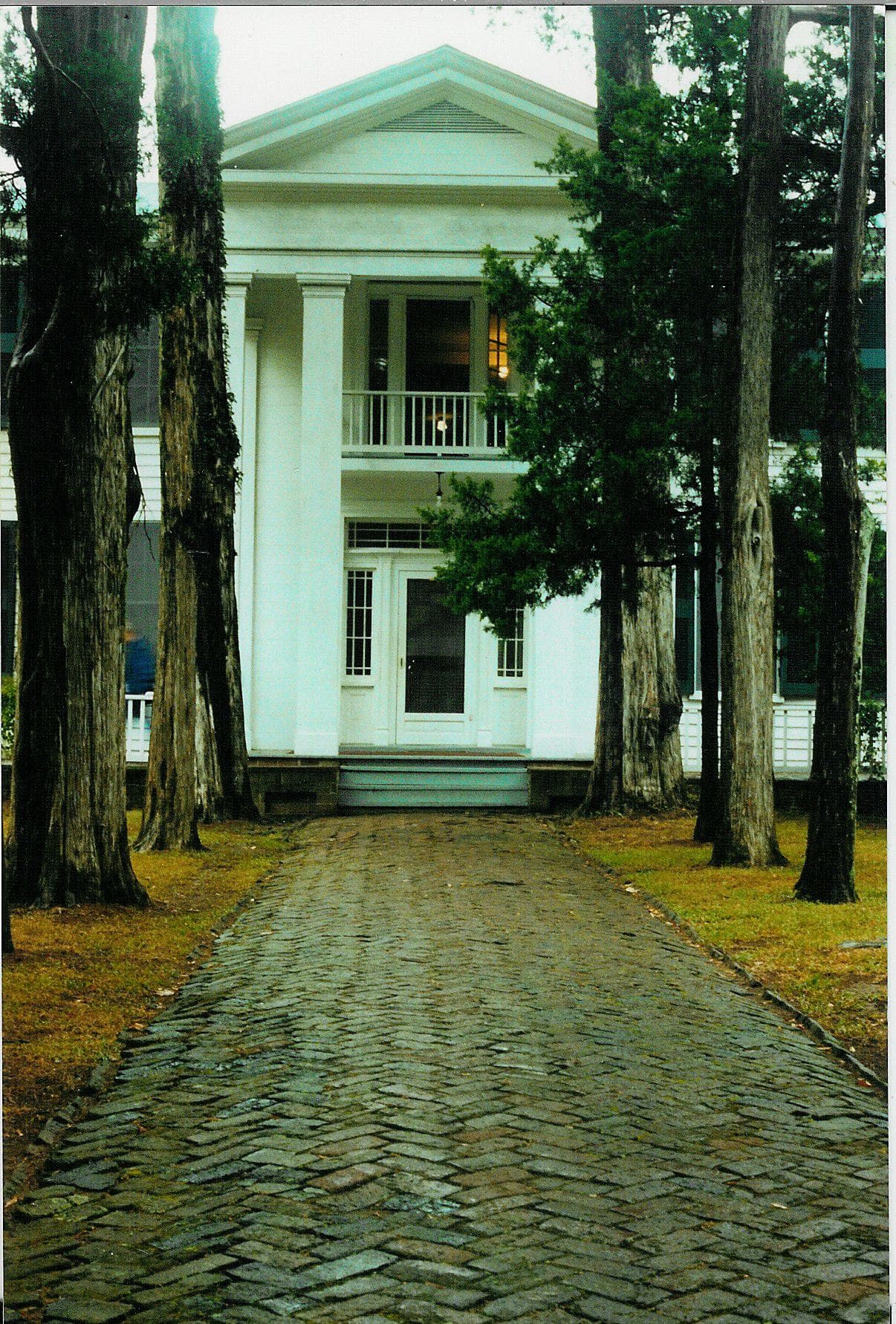
Rowan Oak still pulls visitors just south of The Square in Oxford, where William Faulkner's former home sits on more than 29 acres and keeps Lafayette County's literary identity in view all year. Built in 1844 and tied to Faulkner from 1930 until his death in 1962, the house remains one of the county's most recognizable addresses.
A house with a longer story than the novelist
The home was first built by Robert B. Sheegog, an Irish immigrant farmer and planter from Tennessee, and it is still described as a primitive Greek Revival house. Faulkner bought what was then called The Bailey Place in 1930, when the property was already worn down, and renamed it Rowan Oak in 1931. He chose the name to join the rowan tree of Scotland, which symbolized security and peace, with the live oak of America, which stood for strength and solitude.
That naming choice still matters because it explains why the site feels larger than a preserved bedroom or study. Rowan Oak is tied to Faulkner's writing life, but it also preserves a local landscape that reflects Oxford's mix of Southern memory, campus life and literary reputation. The property does not actually contain a rowan oak tree, which makes the name itself part of the story visitors are trying to understand.
Why Rowan Oak matters beyond Faulkner fans
Rowan Oak gives Oxford a fixed point in the county's cultural geography. Visit Oxford and the Mississippi Hills National Heritage Area both place the house in the center of a broader literary identity that draws people into Lafayette County whether they arrive for a class trip, a weekend drive or a deeper Faulkner pilgrimage.
Its appeal is practical as well as symbolic. The house sits just south of the Square in Oxford, so a stop there can easily fit into a day that also includes downtown shops, restaurants and other local businesses. That proximity helps turn a visit into an all-day pattern of movement through Oxford instead of a single stop on the edge of town.
The visitor mix is broader than a narrow literature crowd. First-time visitors come for the name recognition, University of Mississippi students pass through because of the campus connection, and families use it as a quiet, historically significant outing. Faulkner readers still form the core audience, but the site works because it speaks to people who care about Oxford itself, not only the author who lived there.
The preservation and landmark status that sets it apart
Rowan Oak carries several layers of recognition that help explain why it endures as one of Lafayette County's most durable assets. The American Library Association designated it a Literary Landmark in 1993. It is also listed as a National Register of Historic Places property, a Mississippi Landmark and a U.S. National Historic Landmark.
Those designations matter because they place the house inside a formal preservation framework, not just a local admiration campaign. The University of Mississippi owns and maintains Rowan Oak, which keeps it connected to the university's educational and cultural mission rather than isolating it as a stand-alone tourist stop. In practice, that means the house is part of an institutional network that also includes the University of Mississippi Museum and Historic Houses complex, Bailey Woods Trail and Walton-Young Historic House.
How to visit Rowan Oak
Rowan Oak is open year-round, which makes it one of the most dependable cultural stops in Oxford no matter the season. The house admission is $5 cash only, with free entry for children 12 and under, University of Mississippi students, faculty and staff, and UM Museum Members.
For June and July, the schedule is Tuesday through Saturday from 10 a.m. to 5 p.m. and Sunday from 1 p.m. to 5 p.m. Beginning Tuesday, Sept. 1, 2026, admission is scheduled to rise to $10 per person to support preservation, maintenance and interpretation at the site.
A visit works best when it is treated as part of a wider Oxford route. Rowan Oak's location near the Square and its place inside the university's museum-and-historic-houses network make it easy to combine with other downtown and campus stops, especially for travelers who want to understand how Lafayette County built a public identity around literature, memory and place.
Why it remains one of Lafayette County's strongest cultural assets
Rowan Oak endures because it does more than preserve a famous home. It gives Oxford a year-round reason for outsiders to come, stay and spend time in the county, while reinforcing the local brand that links the Square, the university and the region's literary heritage. Few places in Lafayette County hold that many roles at once: historic house, campus asset, tourism draw and public symbol.
That combination is what keeps Rowan Oak relevant long after a simple Faulkner tour would have faded. The house still turns cultural prestige into local traffic, and local traffic into a stronger sense of what Oxford is, and wants to remain.
This article was produced by Prism’s automated news system from verified source data, official records, and press releases, then run through automated quality and moderation checks before publishing. The system is built and supervised by the people who set the standards it runs under. Read our full AI policy.
Did this article answer your question?