Walz authorizes disaster aid for Lake County after spring wildfires
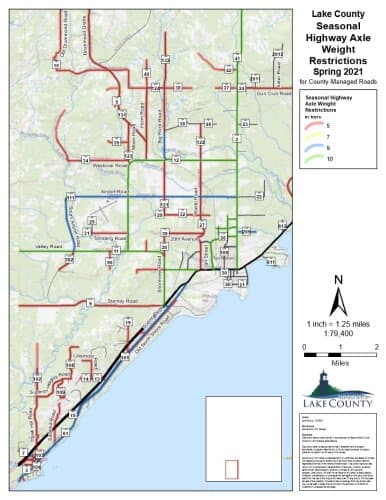
Lake County recovery work got a state aid lifeline for fire-damaged areas near Two Harbors. County crews are still assessing losses and routing debris to temporary sites.
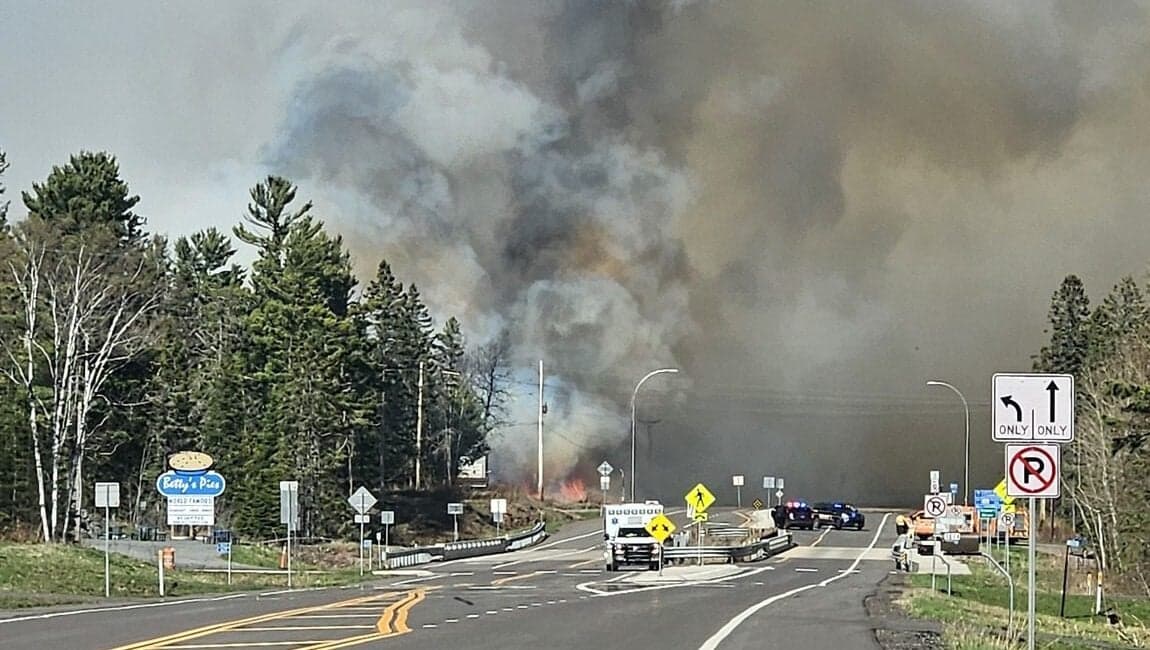
Gov. Tim Walz authorized emergency disaster assistance for areas of Lake County damaged by the May wildfires. The authorization also covers wildfire damage in Crow Wing County and storm damage in Stevens and Grant counties. Walz said, "The fires and severe storms that spread across Northern and Western Minnesota earlier this summer caused major loss and significant damage."
The governor’s office time-stamped the action on July 17 at 12:39:57 p.m. In Lake County, the aid follows a fire that ignited on the afternoon of Friday, May 15, about three miles north of Two Harbors along U.S. Highway 61 and Lake County Highway 3. By May 16, the Stewart Trail Fire had grown to about 100 acres with no containment reported, and it destroyed 34 structures, including at least eight primary residences and 26 outbuildings.
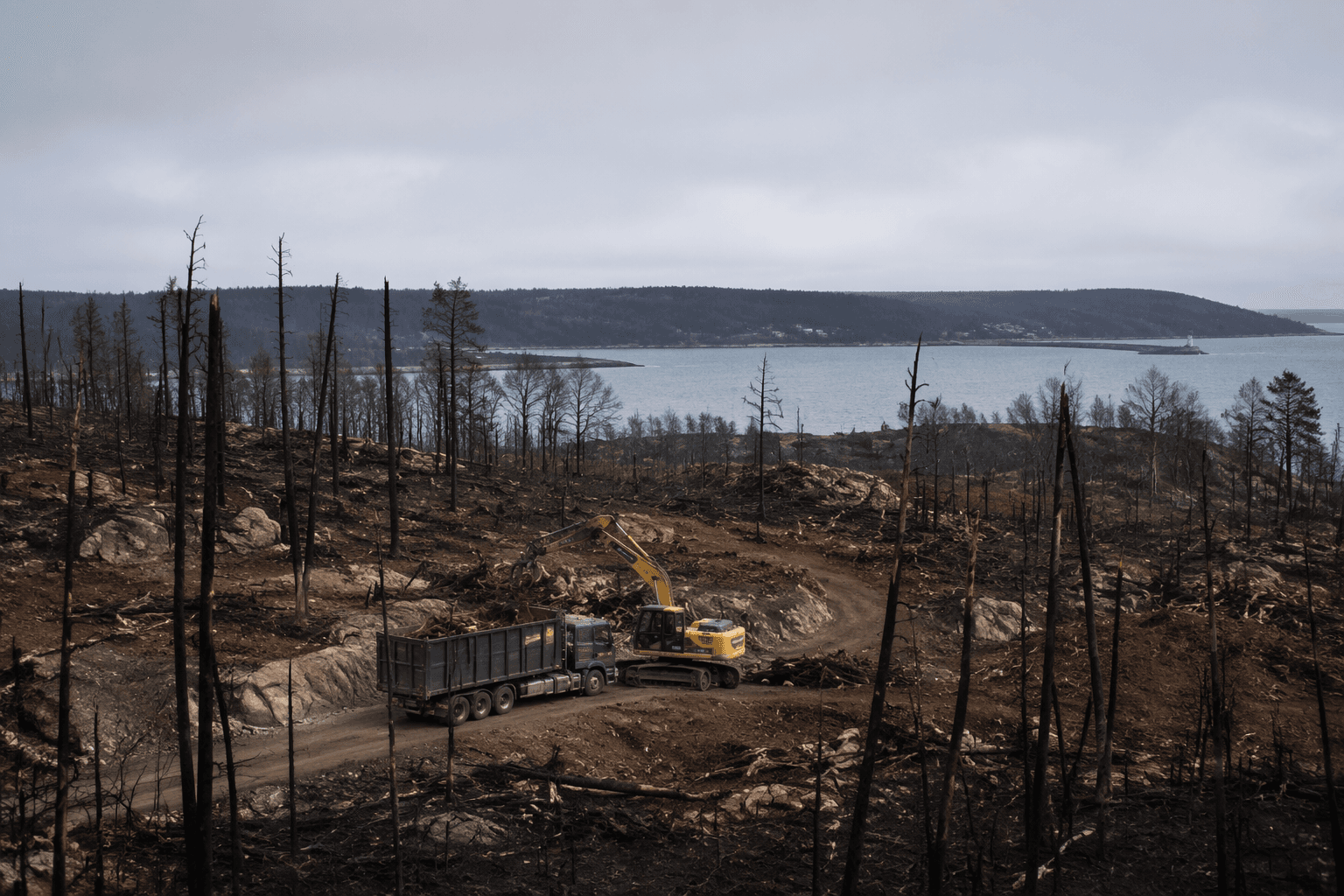
Storms that moved through the region brought rain and produced about 13,000 lightning strikes. Lake County's Soil & Water Conservation District provides technical support and emergency response for natural disasters including floods, droughts, storms and wildfires, and staff conduct damage assessments after disaster events. As part of the Stewart Trail Fire recovery, Lake County has also worked with the Minnesota Department of Public Safety and the Minnesota Pollution Control Agency to establish temporary disposal sites for fire-related debris.
Minnesota’s public disaster assistance framework sits under Chapter 12B, which covers eligible costs and the application process for state aid. State guidance also allows a request, after a declared disaster or emergency, to reduce property taxes on damaged homestead property and to be reimbursed for lost revenue.
This article was produced by Prism’s automated news system from verified source data, official records, and press releases, then run through automated quality and moderation checks before publishing. The system is built and supervised by the people who set the standards it runs under. Read our full AI policy.
Did this article answer your question?