Hunting Headquarters Guide Showcases Logan County's Waterfowl, Upland Game Access
Logan County offers extensive upland and waterfowl hunting access, including North Sterling Reservoir and more than 33,000 acres of combined public and enrolled private land, a key resource for local recreation and economy.
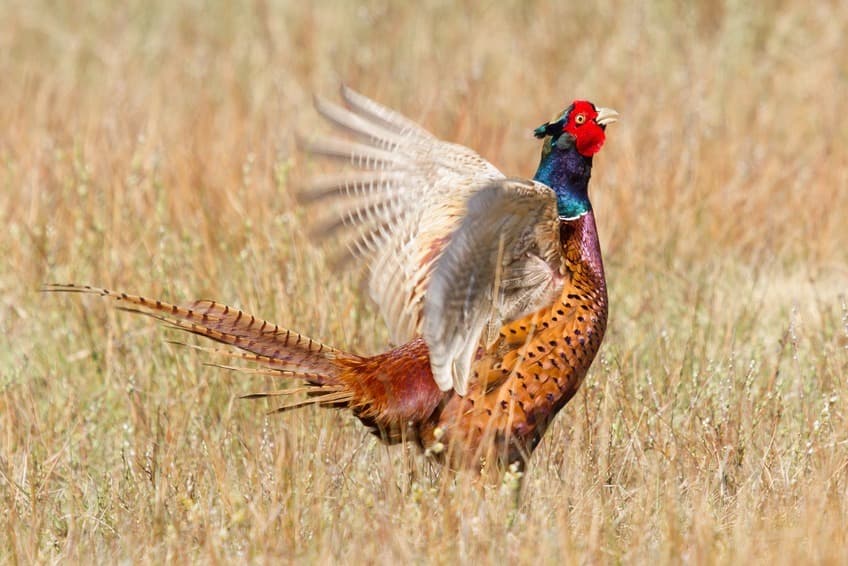
Logan County is home to significant upland game and waterfowl opportunities, anchored by North Sterling Reservoir State Park and thousands of acres of public and enrolled private land that support pheasant, quail, dove, goose, deer and pronghorn hunting. The county maintains more than 16,000 acres of public hunting land and roughly 17,000 acres enrolled in Colorado’s Walk-In Access program, which opens designated private parcels to licensed small-game, waterfowl and furbearer hunters.
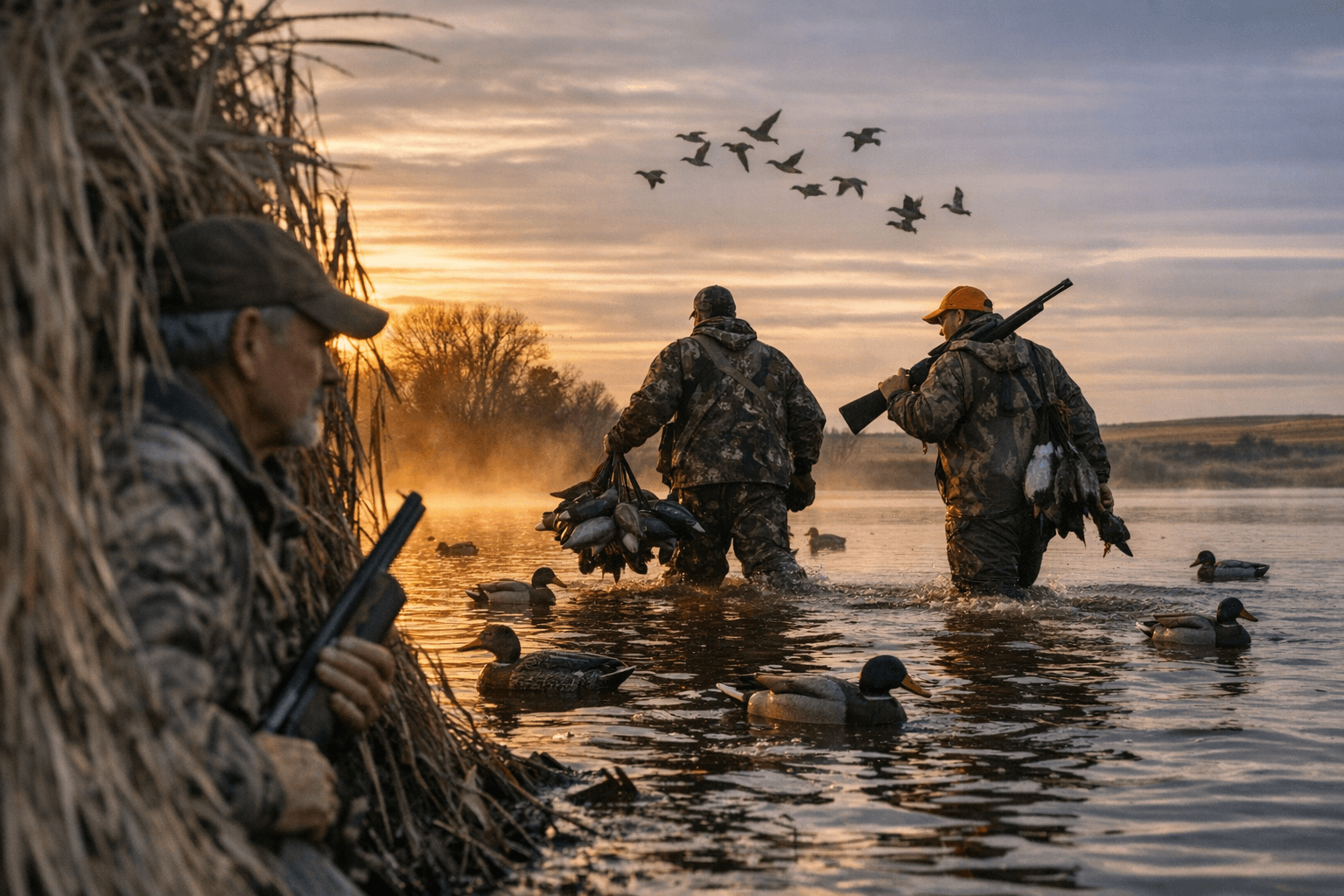
Ring-necked pheasant, quail and dove are commonly pursued across cropped fields and grasslands, while the open plains and private lands enrolled in access programs provide seasonal opportunities for deer and pronghorn. North Sterling Reservoir State Park is a focal point for goose hunting and predictable waterfowl flights, drawing local hunters and visitors at peak migration windows. The combination of public ground and Walk-In Access acreage offers a mix of walk-in, roadside and reservoir-edge opportunities unlike much of northeastern Colorado.
Check Colorado Parks & Wildlife regulations, obtain necessary licenses, and confirm local access rules before heading out. Walk-In Access lands are private property enrolled under specific conditions; respect posted boundaries, follow permit requirements and observe access season dates. Hunters who rely on enrolled private land should verify enrollment status and access permissions, as parcel availability can change with landowner participation and seasonal agreements.
The scale of public and enrolled acreage has practical consequences for Logan County’s economy and land management. Outdoor recreation planners and local businesses that serve hunters - from sporting goods to lodging and food service - rely on predictable access and clear regulations. Colorado’s Walk-In Access program expands on public offerings but also depends on funding, landowner engagement and administrative oversight. Those institutional factors shape how many acres remain available and how access is enforced.
Policy considerations include habitat conservation funding, program transparency and enforcement capacity. Logan County commissioners, Colorado Parks & Wildlife and landowners share responsibility for maintaining habitat, monitoring wildlife populations and ensuring safety and compliance. Attend county meetings or CPW public processes to monitor changes in access, funding priorities or habitat projects that affect hunting opportunity.
For residents and visitors, practical steps are straightforward: check Colorado Parks & Wildlife rules, carry required licenses, confirm Walk-In Access parcel status and respect private-property conditions. For the community, continued attention to funding, landowner relations and public input will determine whether Logan County sustains its reputation for upland game and waterfowl hunting and preserves the outdoor recreation economy that depends on those fields and flights.
This article was produced by Prism’s automated news system from verified source data, official records, and press releases, then run through automated quality and moderation checks before publishing. The system is built and supervised by the people who set the standards it runs under. Read our full AI policy.
Did this article answer your question?