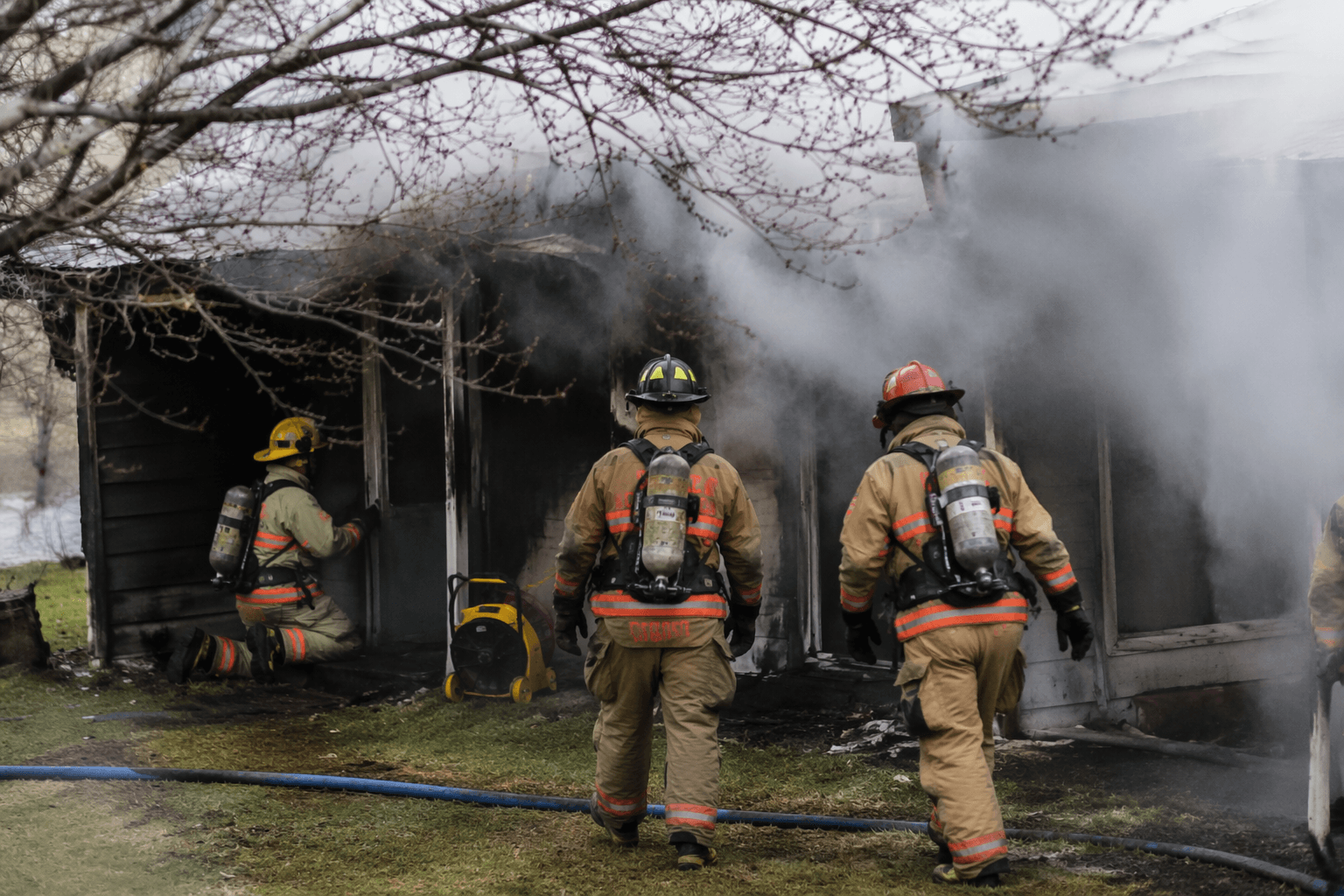
Logan County Residents Urged to Prepare Homes and Plans for Wildfire Season
A grassland fire near Padroni is a fresh reminder: Logan County homes and families need wildfire plans before the season peaks.

The scorched grassland east of Padroni didn't wait for a formal declaration of wildfire season. Neither should Logan County households. With Colorado's fire conditions capable of turning a dry spring afternoon into a fast-moving emergency, state preparedness guidance is clear: the window to act is now, well before flames are visible on the horizon.
Understanding Logan County's Wildfire Risk
Logan County sits in the high plains of northeastern Colorado, where dry grasses, seasonal wind events, and low humidity create conditions that can ignite and spread fire with little warning. The Padroni grassland wildfire serves as a recent and local reminder that this threat is not abstract. Grassland fires in particular move quickly and can outpace vehicles on dirt roads, leaving residents with far less evacuation time than they might expect. Understanding that reality is the starting point for every preparation step that follows.
Illegal activity, including unauthorized burning, has also contributed to fire starts in the region, underscoring that human behavior is as much a risk factor as drought or lightning. That means preparedness isn't only about watching the weather; it's about knowing who to call and what to do the moment a fire is reported anywhere in the county.
Creating Defensible Space Around Your Home
Defensible space is the buffer you create between your home and the grass, shrubs, and trees that could fuel a wildfire. Colorado state guidance divides this buffer into zones, and applying them to a Logan County property, whether it's a rural acreage, a farmstead, or a home near open rangeland, can make the difference between a structure that survives and one that doesn't.
- Within 0 to 30 feet of your home (Zone 1), remove dead vegetation, keep grass mowed short, and clear leaves and debris from gutters, decks, and against exterior walls. This is the area where embers are most likely to land and ignite.
- From 30 to 100 feet out (Zone 2), reduce the density of shrubs and trees so fire cannot easily ladder from ground-level grass up into tree canopies. Space plants to interrupt the continuity of fuel.
- Beyond 100 feet, and especially along driveways and access roads, clear brush that could block emergency vehicle access or ignite and trap residents trying to evacuate.
Fencing, woodpiles, propane tanks, and outbuildings all deserve attention. Wooden fences connected directly to a house act as a wick that can carry fire straight to your exterior walls. Stack firewood away from the home and orient propane tanks so their relief valves face away from structures.
Building Your Evacuation Plan
Knowing you need to leave is not the same as knowing where to go or how to get there. A written evacuation plan, reviewed by every member of the household, closes that gap.
Start by identifying at least two exit routes from your property. In Logan County, where many rural roads are unpaved and occasionally impassable, knowing an alternate route matters. Identify a meeting point outside your immediate neighborhood so family members who are separated can reunite without returning home into a fire zone.
Consider the following when building your plan:
- Designate a contact person outside Logan County whom every family member knows to call. Local communication networks can be overwhelmed during an active fire emergency.
- Know in advance where you will go. Identify a friend or relative's home, a hotel, or a designated evacuation shelter, and have that address written down, not only stored in a phone that may lose power.
- Account for animals and livestock early. Evacuating horses, cattle, or multiple pets requires more lead time than evacuating people. Pre-arrange with neighbors or local agricultural contacts where animals can be taken.
- Keep your vehicle fueled. A quarter-tank policy, meaning you refuel before dropping below a quarter tank during fire season, can prevent a critical delay when evacuation orders come.
Assembling a Go-Bag
An emergency go-bag is a pre-packed kit you can grab in minutes. The goal is to cover the first 72 hours after an evacuation without having to return home or rely on emergency supply distribution.
- Copies of essential documents: identification, insurance policies, medication lists, and financial account information stored in a waterproof bag or digital backup
- At least three days of prescription medications and basic first aid supplies
- Water and non-perishable food for each person and pet in the household
- Phone chargers, a battery-powered or hand-crank weather radio, and cash in small bills
- A change of clothes and sturdy footwear for each household member
Keep this bag in a consistent, accessible location and review its contents at the start of each fire season to replace expired items and update documents.
Staying Informed During an Active Fire
Logan County residents should identify their primary sources of emergency information before a fire starts, not during one. Colorado's emergency alert systems, local law enforcement social media channels, and county emergency management communications are all channels worth signing up for and monitoring.
A battery-powered or hand-crank weather radio provides alerts even when cell towers are overwhelmed or power is out. During a fast-moving grassland fire like the one near Padroni, conditions can shift within minutes, and alerts from official sources will carry the most accurate and up-to-date evacuation guidance.
If you see smoke or fire, report it immediately. Early reporting gives local fire departments and mutual aid partners the best possible chance to contain a fire before it grows. Do not assume someone else has already called it in.
Reducing Risk Through Responsible Behavior
Because human-caused ignitions have played a role in local fire history, personal conduct during high-fire-danger periods carries real community consequences. Check the current fire restriction level before burning debris, operating equipment in dry grass, or using outdoor equipment that can throw sparks. Logan County and the State of Colorado post fire restriction updates through official county and state websites.
Avoid mowing dry grass during the hottest and windiest parts of the day, as mower blades can strike rocks and produce sparks. Chains dragging from vehicles on gravel roads have also started fires. These are not abstract risks; they are the kinds of ignition sources that have contributed to fires on Colorado's eastern plains.
The Cumulative Value of Preparation
No single step guarantees a home or family will survive a wildfire unharmed. But defensible space, a practiced evacuation plan, a ready go-bag, and a habit of monitoring official alerts together shift the odds substantially. The time invested before fire season peaks is nearly always shorter than the time lost to an emergency response that had to start from scratch. The grassland near Padroni burned. The next question Logan County residents should be able to answer with confidence is: if it happens closer to home, are you ready?
This article was produced by Prism’s automated news system from verified source data, official records, and press releases, then run through automated quality and moderation checks before publishing. The system is built and supervised by the people who set the standards it runs under. Read our full AI policy.
Did this article answer your question?