McDowell County promotes heritage, opportunity in economic development push
McDowell County is branding itself as heritage and opportunity, but the real test is whether water, sewer and flood-repair money turns into jobs and a stronger tax base.
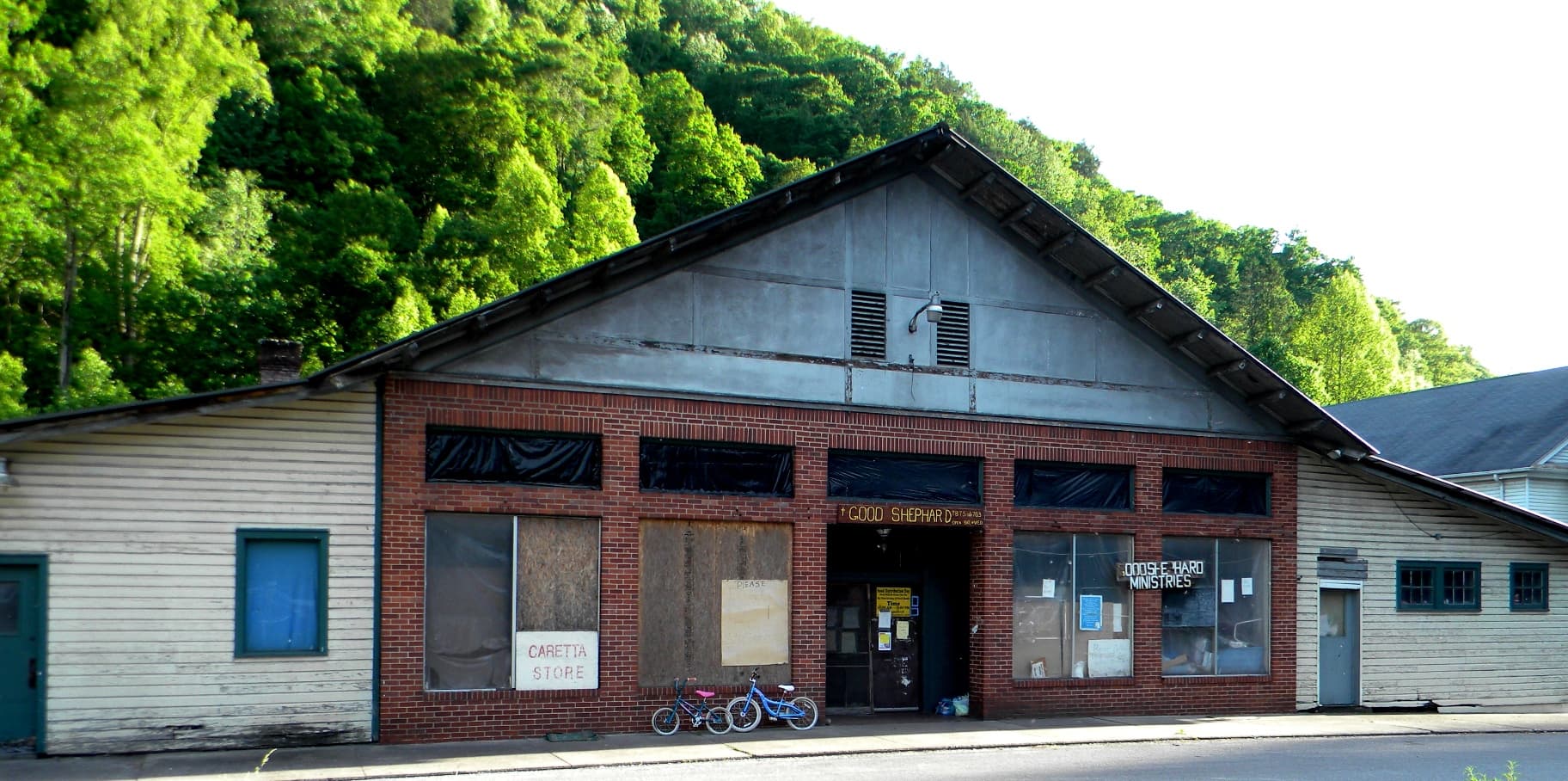
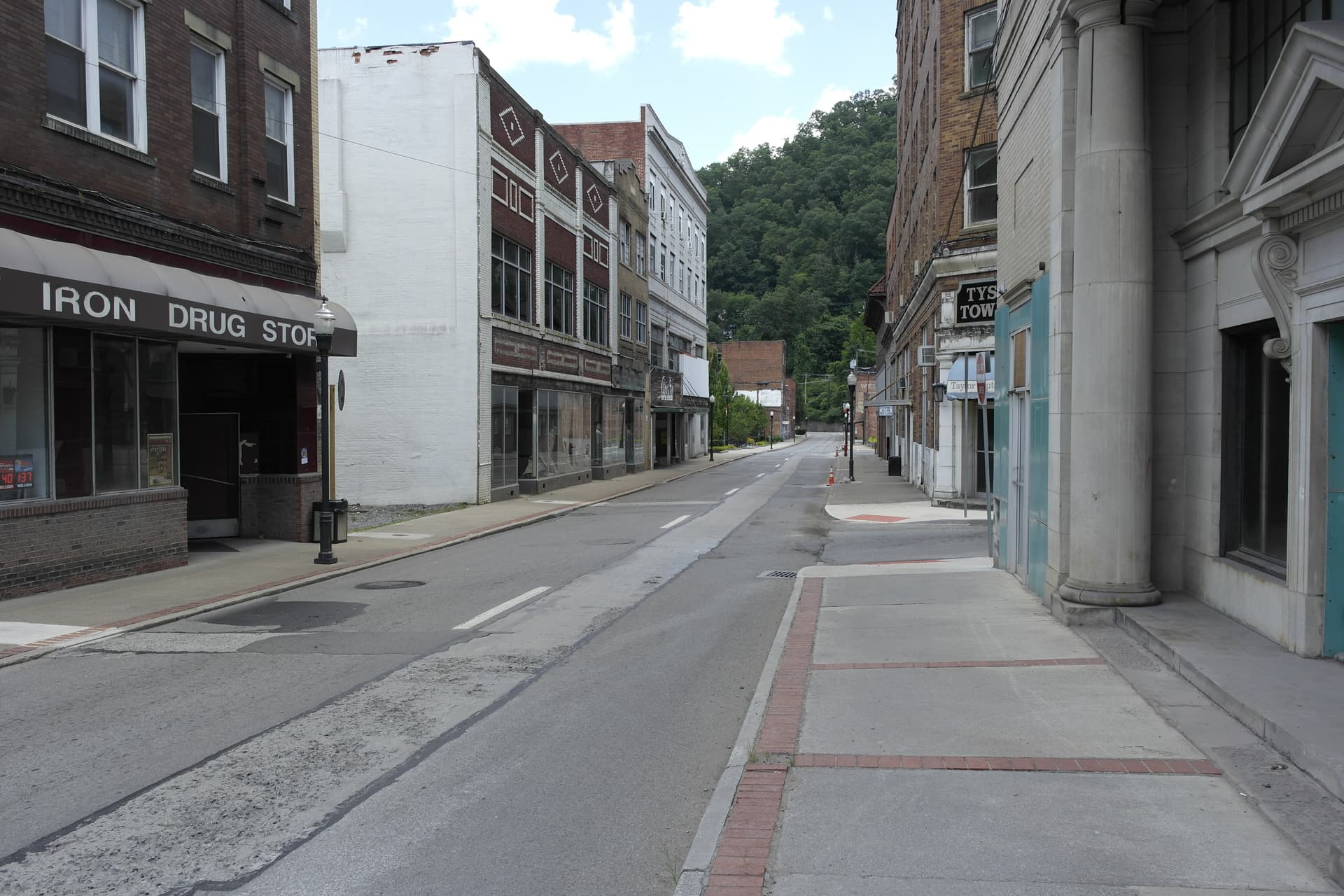
McDowell County is trying to sell a different story about itself: not just a place marked by decline, but a place of cultural heritage, natural beauty and economic opportunity. That pitch lands against hard numbers, including a population estimate of 16,878, only 213 employer establishments and a median household income of $31,559. The question for residents is simple: whether the county’s development message can produce jobs, a broader tax base and the infrastructure needed to keep families in place.
The pitch behind the homepage
The McDowell County Economic Development Authority’s homepage is more than a greeting page. By describing the county as “the heart of progress and innovation,” it is telling outside investors, employers and state partners how local leaders want McDowell to be seen. In practical terms, that means the county is trying to project heritage and possibility at the same time, using public messaging to make itself legible in a region where economic development usually comes in small, uneven steps.
That matters because the EDA is not simply advertising. It is also trying to function as a front door for business owners looking for county contacts, development ideas and institutional support. The message suggests a strategy built around attracting private investment, supporting entrepreneurs and turning recreation, land and community identity into a stronger local economy.
A county carrying a much smaller economic base
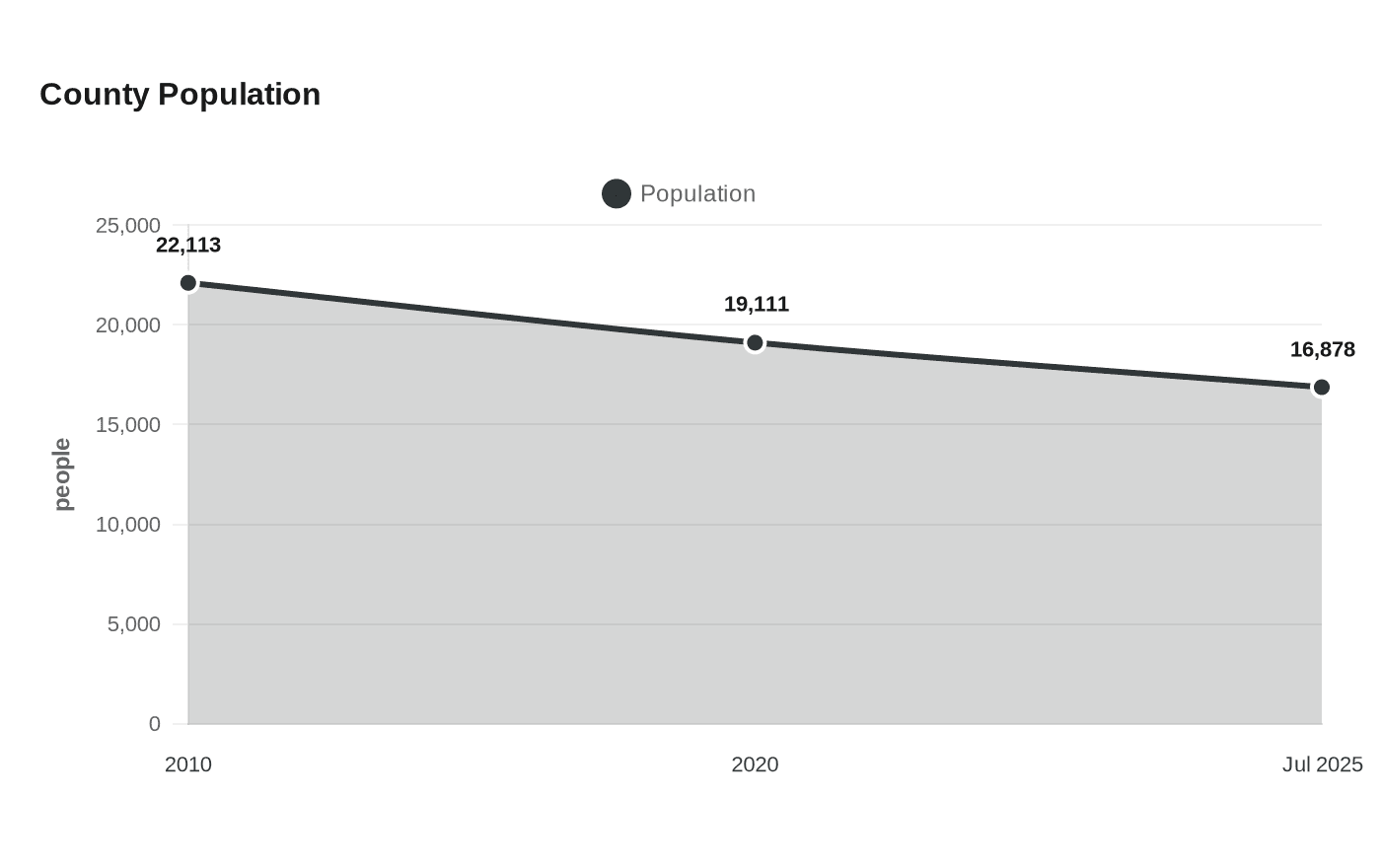
The county profile shows how steep the challenge is. McDowell County’s population was estimated at 16,878 in July 2025, down from 19,111 in the 2020 census and 22,113 in 2010. It covers 533.5 square miles of land area, but the economy is still thin: just 213 employer establishments, a bachelor’s degree rate of 6.8% and a median household income of $31,559.
Those figures explain why officials frame every investment as part of a larger stabilization effort. In a county this small, one new employer, one utility project or one repair to a key road can matter more than it would in a larger place. The development pitch is therefore less about a single big win than about whether the county can make itself attractive enough for repeated, smaller decisions by employers, builders and public agencies.
Welch’s railroad past still shapes the present
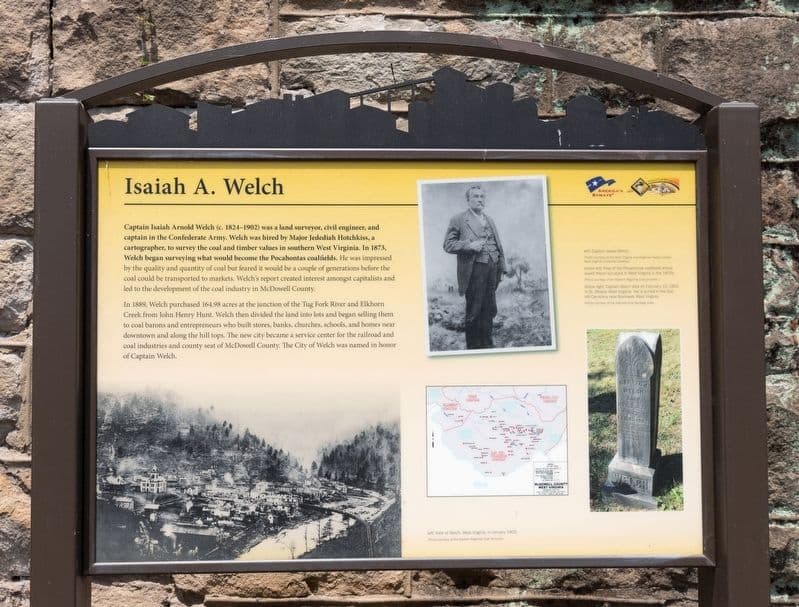
McDowell’s history is built into the geography of the county seat. Welch became a railroad and coal service center after the Norfolk & Western Railway reached McDowell County in 1891, and the town was placed on the main line. That legacy still shapes how the county is read by outsiders: as a coalfields community with a powerful industrial past and limited room to reinvent itself without serious public investment.
That is why heritage branding can be useful, but only up to a point. Culture and landscape can help tell the county’s story, yet they do not widen the tax base on their own. For redevelopment to work, the county has to turn its history into an economic asset without pretending that nostalgia can replace utilities, roads and modern business conditions.
Water and sewer are the real growth strategy
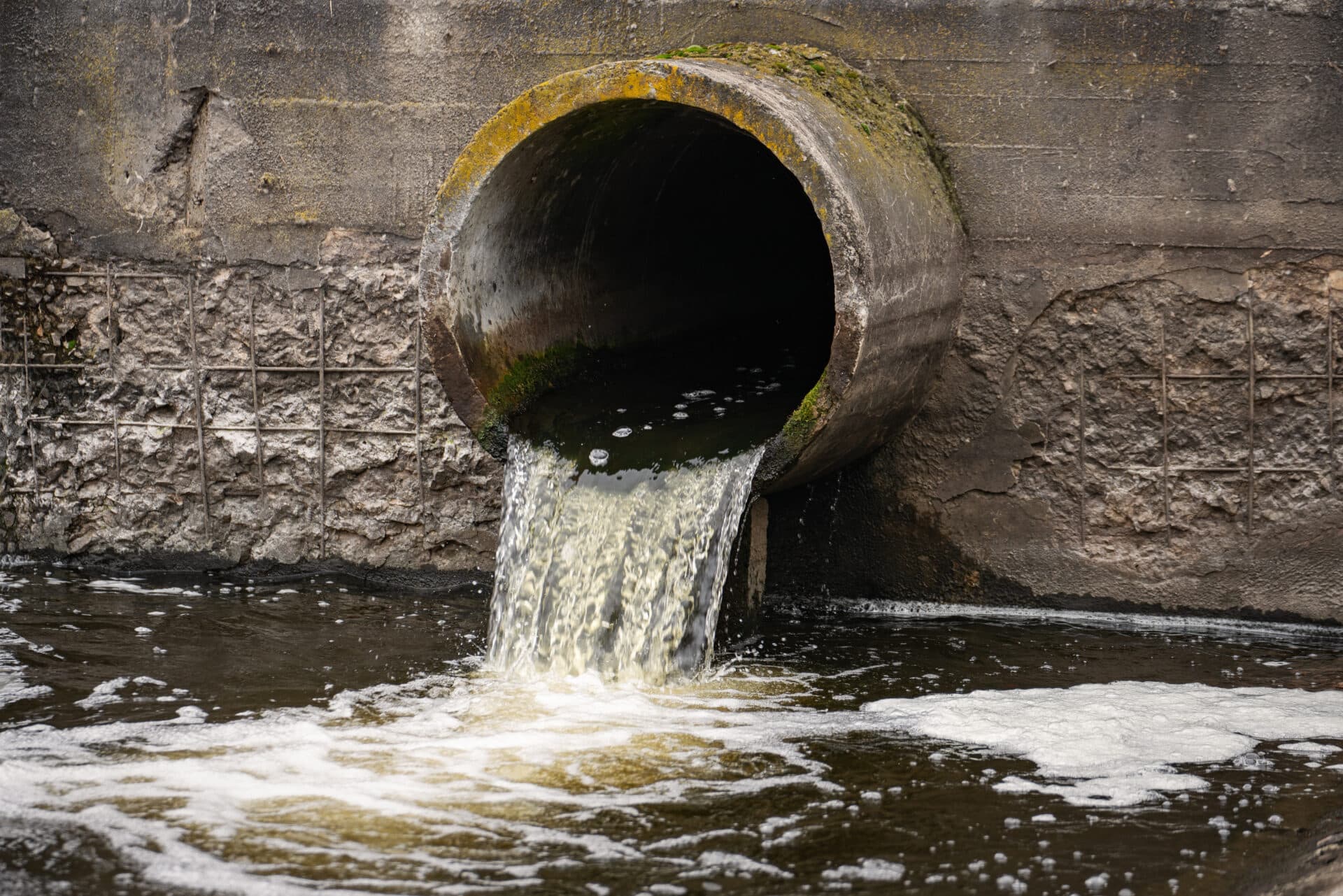
The clearest sign of where the money is going came in February 2026, when Gov. Patrick Morrisey announced $9.5 million in Abandoned Mine Land Economic Revitalization funding for five water and sewer projects in McDowell and Mingo counties. Three of those five projects were in McDowell County, and Morrisey tied the work directly to the county’s future, saying, “If you cannot deliver clean drinking water or safely manage wastewater, you cannot attract jobs, build homes, or grow your economy.”
That is the key accountability test for McDowell’s development push. West Virginia’s AMLER program has committed more than $268 million statewide since 2016, and McDowell is clearly positioned as one of the places where legacy coal impacts are being translated into modern infrastructure. The logic is straightforward: water lines, wastewater systems and related repairs are not headline-grabbing amenities, but they are the base layer for housing, business recruitment and long-term growth.
The federal-style development side of that effort is visible too. In September 2024, the U.S. Economic Development Administration awarded $3.4 million to the McDowell County Public Service District for new water lines in several communities. That kind of spending does not just fix pipes; it determines whether a county can support new homes, new businesses and the kind of reliability employers expect before they invest.
Flood damage turned infrastructure into an emergency
The urgency of those projects became clearer after the severe flooding in February 2025. At least three people were killed in McDowell County, and the storm caused major damage to housing and infrastructure. The county later received a major disaster declaration, and state road and infrastructure repairs were estimated at about $19 million.
That disaster pushed agencies such as the Federal Emergency Management Agency and the West Virginia Department of Transportation deeper into the county’s recovery picture. It also reinforced a basic truth that the EDA’s website cannot hide: a county cannot market itself into stability while roads are failing, water systems are aging and flood recovery remains unfinished. Appalachian Voices reported in April 2024 that McDowell County was still dealing with decades-old drinking water problems, which makes the recent wave of utility and repair funding look less like a bonus and more like overdue maintenance.
What the development push will be judged on
McDowell County’s economic development campaign is strongest when it treats heritage as an asset and infrastructure as the proof point. The county can describe itself as a place of natural beauty and opportunity, but the numbers that matter most are still job count, household income, population change and whether families can count on safe water and passable roads. For Welch, the coalfields communities and the county as a whole, the next phase will be judged by whether the public investment now flowing into water, sewer and flood repair creates a more durable economy than the one McDowell has been left with so far.
This article was produced by Prism’s automated news system from verified source data, official records, and press releases, then run through automated quality and moderation checks before publishing. The system is built and supervised by the people who set the standards it runs under. Read our full AI policy.
Did this article answer your question?