McKinley County clinic expands care with state rural health funding
Gallup Community Health turned rural health dollars into seven primary care hires, three behavioral health staff and more than 35,000 visits. McKinley County clinics can now compete for another $50 million round.
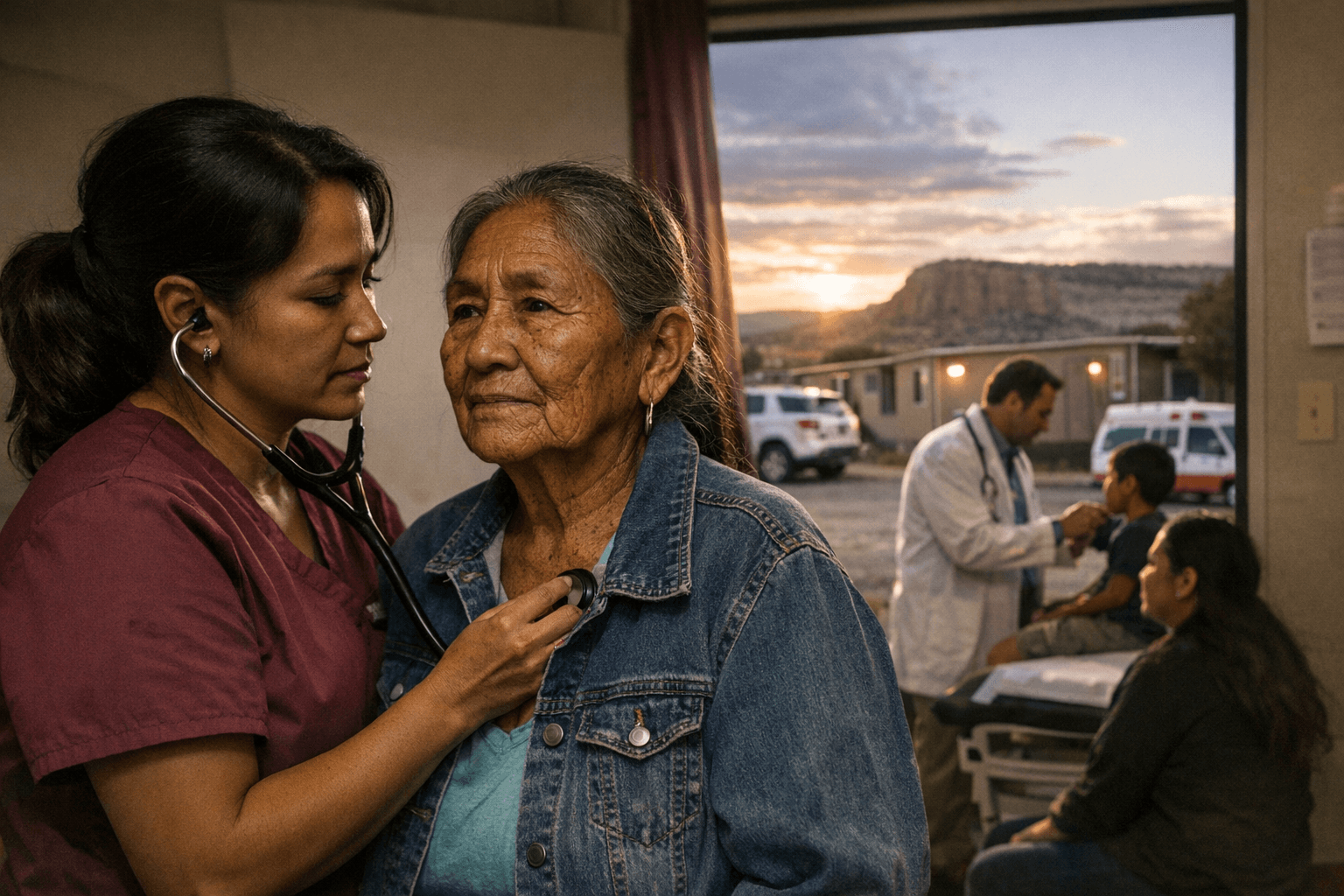
A clinic in Gallup has already shown what state rural health money can do in McKinley County: more staff, more behavioral health access and more than 35,000 primary care and behavioral health visits delivered close to home.
That track record makes Gallup Community Health one of the clearest local contenders for the latest Rural Health Care Delivery Fund round, which opened March 24 and accepts applications through April 19. Awards are expected in June. The fund is aimed at rural Medicaid providers that serve designated high-need Health Professional Shortage Areas or tribally operated facilities, and it is designed to offset operating costs and losses tied to essential services.
For McKinley County, the stakes are immediate. Families often travel long distances for routine care, mental health appointments and follow-up visits, and clinics struggle to keep enough clinicians on staff. The state says the program has helped recruit more than 800 health care workers to underserved communities and has helped ensure care for more than 125,000 New Mexicans. In Gallup, that help has already translated into seven primary care providers, three behavioral health practitioners and additional community health workers. Those workers were not symbolic hires. They provided more than 35,000 visits in the county.
That makes the next funding round more than a bookkeeping exercise. It could help McKinley County providers pay for the staffing that keeps exam rooms open, shorten waits for primary care, expand behavioral health coverage and reduce the pressure to send patients elsewhere for care that should be available locally. The state health authority says the money is meant to stabilize essential services, which is especially relevant in rural communities where a single vacant provider slot can cut access for hundreds of patients.
The competition, however, will not be easy. Applicants must be New Mexico Medicaid-enrolled providers, serve the right rural shortage areas or operate tribally, and provide Medicaid-reimbursable services. That narrows the field to organizations that already have the administrative capacity to put together an application and prove they can turn the grant into real service delivery. It also favors providers that can document need, staffing gaps and the cost of keeping clinics open.
The Legislature has appropriated $196 million to the program since 2023, with $146 million committed across three funding cycles and about $69.4 million spent so far, according to a January brief from the Legislative Finance Committee. That brief also said providers spend most operating dollars on staffing, underscoring the basic challenge in rural health care: in places like Gallup and across McKinley County, access often depends on whether a clinic can hire and keep people.
This article was produced by Prism’s automated news system from verified source data, official records, and press releases, then run through automated quality and moderation checks before publishing. The system is built and supervised by the people who set the standards it runs under. Read our full AI policy.
Did this article answer your question?