Menominee County Historical Society preserves local history across multiple sites
From a former church museum to research and learning centers, the society keeps Menominee County history visible across sites residents can actually use.
The Menominee County Historical Society reaches far beyond a single display room. Its own history and site map show a network built to keep county memory in daily circulation, with a museum, a research center, a learning center, and additional landmark pages tied to places people can visit and use.
A county history network with deep roots
The society was established on January 17, 1967, by Michael J. Anuta, Frank Budmats, Violet Pawlowski, and William Ferstrum. That founding date matters because it places the organization among the county’s long-running civic institutions, not a temporary exhibit or a seasonal attraction. The society describes itself as a historical storehouse in the Upper Peninsula, and the scale of that claim is reflected in the mix of public-facing spaces it maintains.
Today, the society says it has more than 200 members, and it keeps a regular public schedule at Spies Public Library. Members meet at noon every first Monday of the month, and those meetings are open to the public. That gives the society a civic role as well as a preservation role: it is not only holding artifacts and records, it is still gathering people around Menominee County history.
The heritage museum in a former church
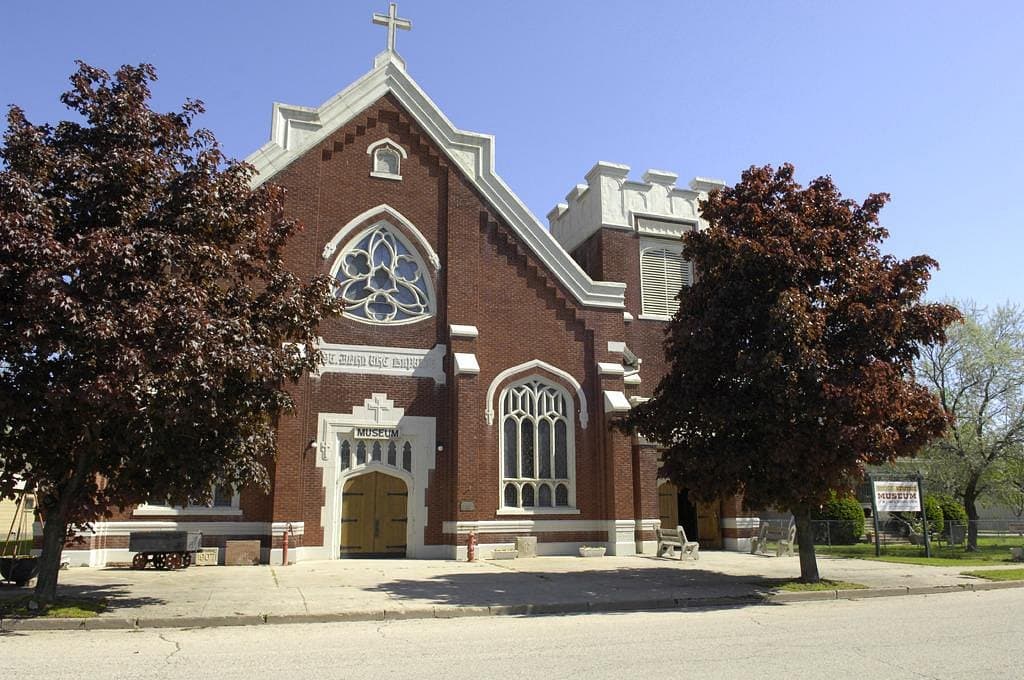
The most visible part of the society’s footprint is the Menominee Heritage Museum. In 1976, the society acquired St. John the Baptist Catholic Church and repurposed it as a museum to house artifacts and photographs from Menominee County’s history. The building itself is part of the experience, which makes the site more than a container for exhibits; it is a preserved place with its own story.
Visitors can tour the well-preserved former church and view displays maintained by the curator. The museum page says the exhibits interpret multiple eras and themes, including the lives of fur traders, giving the site a broad historical reach rather than a narrow single-topic focus. For a county where heritage is tied to settlement, trade, religion, and community life, that kind of layered setting matters because the structure and the subject are closely connected.
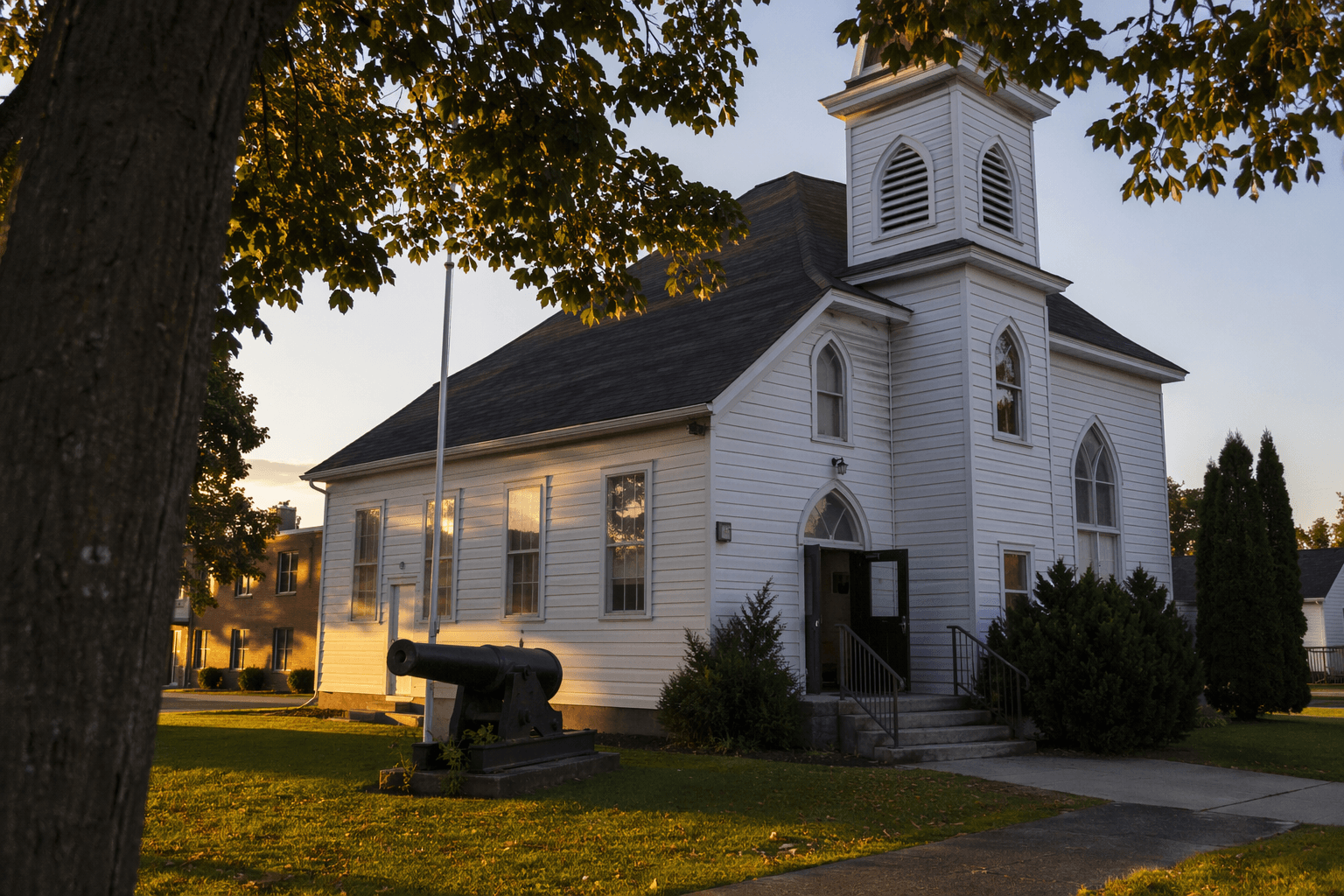
The museum’s listed address is 904 11th Avenue, Menominee, MI 49858. For anyone building a local history itinerary, that gives the society a clear public anchor in the city center.
Research help for family history and local memory
The society’s work is not limited to what can be seen on exhibit walls. Its site identifies the Michael J. Anuta Research Center as a separate resource, giving family researchers and other visitors a place to look deeper into names, places, and records tied to Menominee County. The research center sits at 1105 9th Street, Menominee, MI 49858, according to the Spies Public Library listing.
That matters for residents who are tracing family lines, checking old property or community references, or trying to connect oral history to documented facts. A county historical society becomes most useful when it can handle both the public story and the personal one, and this is where that role is most practical. The research center gives the society a working archive, not just a commemorative display.
A learning center that keeps history active
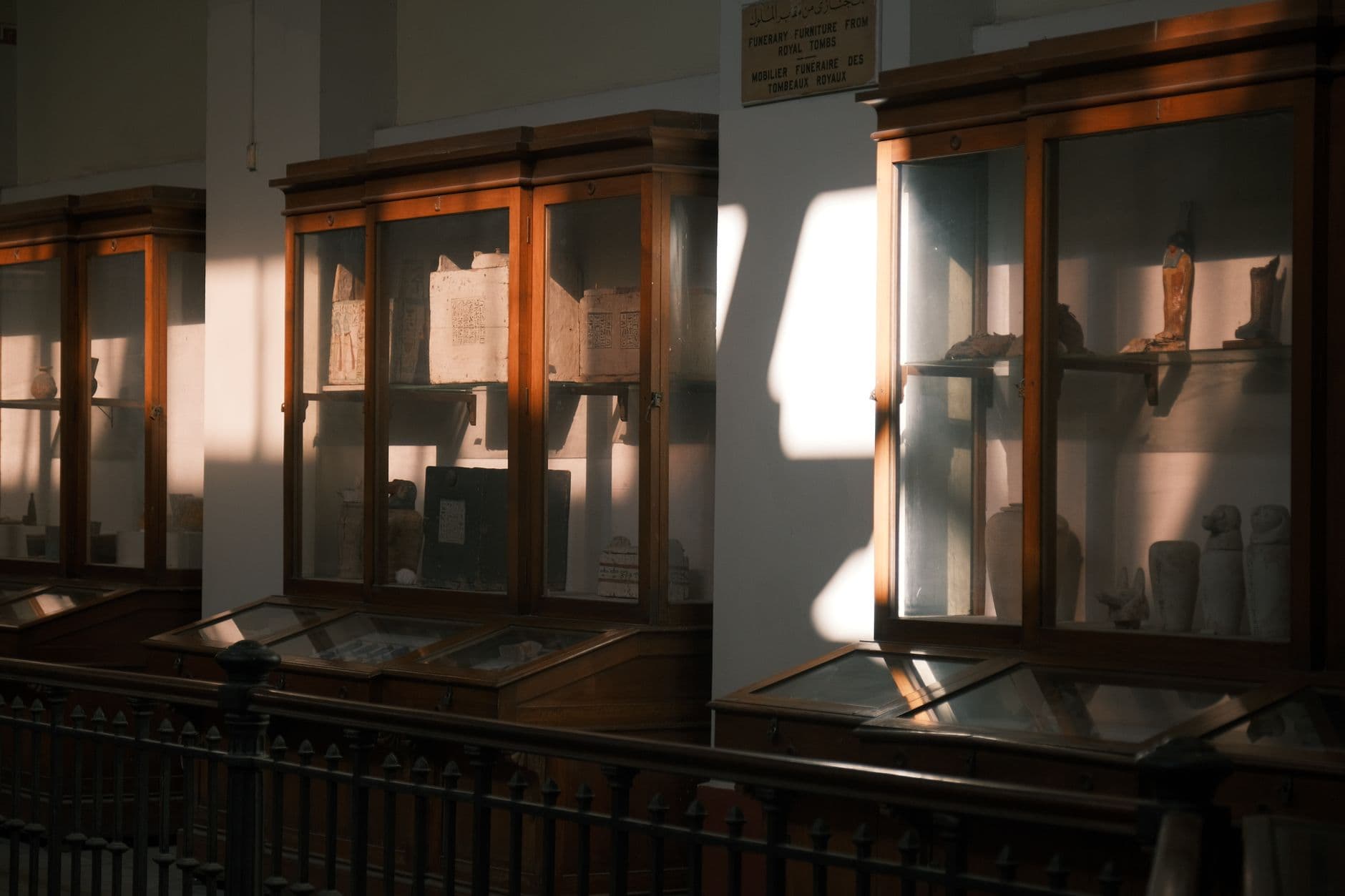
The Chappee-Webber Learning Center extends the society’s reach to students, parents, teachers, and anyone who wants history presented as something usable rather than sealed away. The society’s site lists it alongside the museum and research center, which signals that education is part of the organization’s core mission, not an afterthought.
That structure turns local history into a shared resource. A visitor can move from exhibits to records to learning materials without leaving the society’s orbit. In a county where public memory can be scattered across private collections, churches, schools, and family stories, that kind of connected system gives residents a clearer way to find what they need.
Other sites that widen the county map
The society’s footprint also reaches into several additional pages focused on local landmarks and industries. Those include the West Shore Fishing Museum, the Menominee Opera House, and the Menominee North Pier Lighthouse. Each one widens the story of the county in a different direction: fishing, public architecture, shipping, and waterfront life.
Taken together, those sites show how the society works as an interpretive map of Menominee County rather than a single exhibit hall. Someone interested in maritime work can follow the fishing museum. Someone drawn to civic architecture can connect the opera house and lighthouse. Someone researching the county’s broader development can move among those pages and see how labor, culture, and place fit together.
Where the society lives in public view
The society’s physical presence is easy to track. A Spies Public Library page lists the mailing address as P.O. Box 151, Menominee, MI 49858. The same listing places the Menominee Heritage Museum at 904 11th Avenue and the Michael J. Anuta Research Center at 1105 9th Street. That spread shows the society operating as a small network of real locations rather than a single front door.
For Menominee County, that is the value of the institution. It keeps history visible where people can actually use it: in a museum built from a former church, in a research center named for one of its founders, in a learning center tied to education, and in pages that connect the county’s landmarks to its working past. The result is a system that preserves names, buildings, and community memory in places that remain part of everyday life.
This article was produced by Prism’s automated news system from verified source data, official records, and press releases, then run through automated quality and moderation checks before publishing. The system is built and supervised by the people who set the standards it runs under. Read our full AI policy.
Did this article answer your question?