Menominee Historic Preservation Department protects tribal sites and traditions
Menominee’s preservation office decides where development can go, who teaches the language, and how ancestors come home.
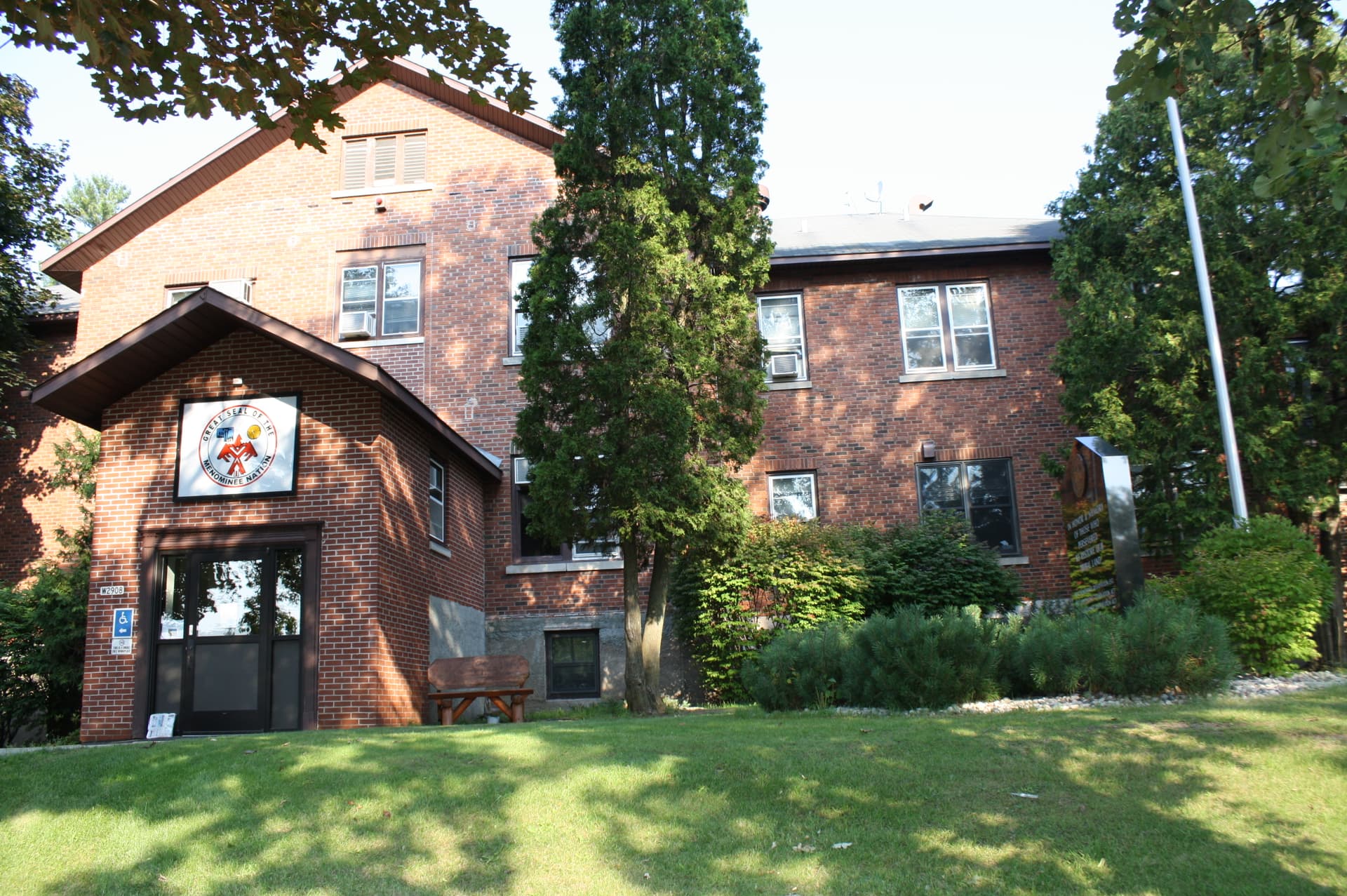
On the Menominee Reservation, the Historic Preservation Department helps decide whether ground can be disturbed, which places must be protected, and how tribal memory stays built into daily life instead of being pushed aside by new development. It is the office where a road project, a housing decision, a burial ground, and a language classroom can all collide.
A tribal office built for more than remembrance
The department was created by the Menominee Tribal Legislature in 1991 and received formal Tribal Historic Preservation Office status in 1999. That designation gave the Tribe a direct role in protecting historic properties on its own lands, rather than leaving those decisions entirely to outside agencies. It is part of tribal governance, tied to housing, infrastructure, land use, burial protection, and cultural continuity.
The National Park Service treats Tribal Historic Preservation Offices as the tribal equivalent of a State Historic Preservation Office on tribal lands. In practice, that means the Menominee office advises federal, state, and local agencies on managing historic properties and on Section 106 review, the process that applies when a federally funded or federally permitted project could affect cultural resources. The federal program itself traces back to Congress’s 1990 request for a study that became *Keepers of the Treasures*, and THPO grant funding has supported tribal preservation work since 1996.
Why preservation is a sovereignty issue
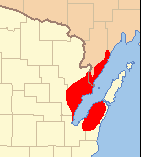
The Menominee Tribe places its presence in Wisconsin and parts of Michigan and Illinois at 10,000 years. Its original land base covered about 10 million acres before seven 19th-century treaties reduced it to a little more than 235,000 acres today. Federal recognition was lost under the Menominee Termination Act in the 1950s and restored on December 22, 1973, through the Menominee Restoration Act.
When land has been taken, fragmented, or altered over generations, historic places are not abstract markers on a map. They are evidence of residence, kinship, burial, and governance, and the people responsible for protecting them need to understand both the law and the land itself.
The department’s objective is to preserve Menominee cultural heritage, with a special emphasis on the Menominee language. That focus runs through its work in schools, in community planning, and in the handling of ancestral remains and funerary objects.
Language preservation reaches into the classroom
The clearest example of preservation shaping the present is the Tribe’s language work. With a three-year Administration for Native Americans grant, the department trained tribal members to take the Menominee Language and Culture Teacher Certification test, and four tribal members earned certification. An earlier grant brought two additional teachers into the pipeline, and they now teach at the Menominee Tribal School.
The Menominee Tribal Legislature approved support for the Immersion Language Program, and historic preservation helped restructure Menominee Language and Culture Code Chapter 395 for immersion classroom teachers. The same tribal planning document lists 42 enrolled Menominee tribal members certified to teach the Menominee language and teaching in schools and in the immersion daycare room.
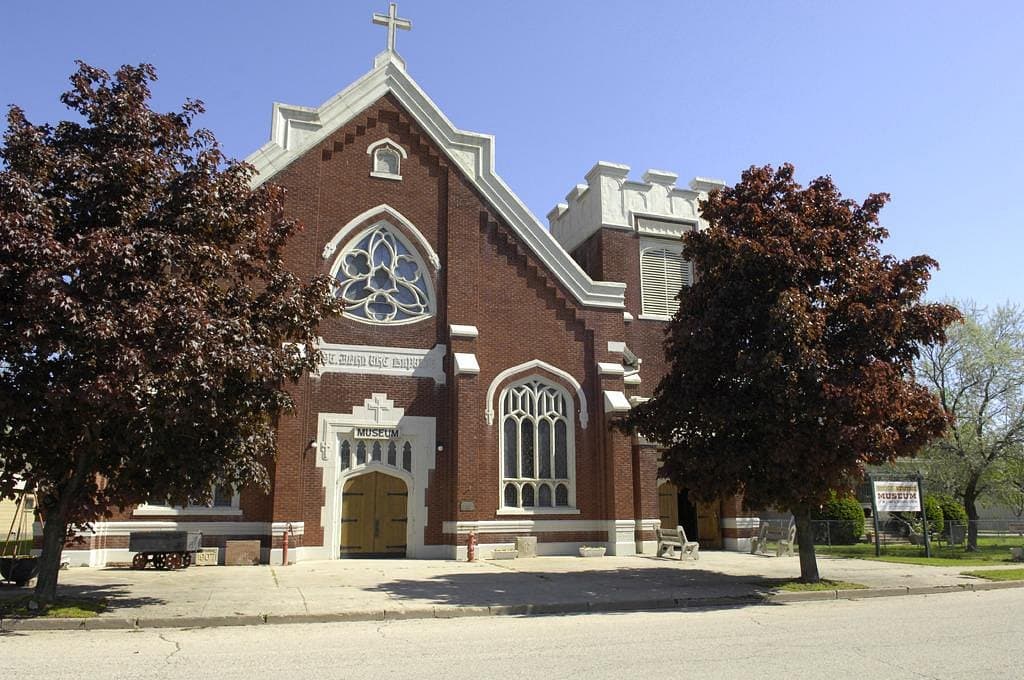
The department has also used community-based programming to make that continuity tangible. In 2005, it held a four-day Menominee language immersion camp at the Menominee Logging Museum for 15 tribal youth. The camp mixed language use with black-ash basket making, pottery, berry picking, nature walks, and the moccasin game, linking speech to hands-on cultural practice.
Development on the reservation passes through preservation review
The office also shapes how Menominee County grows. Any construction or other ground-disturbing activity funded with federal money or requiring a federal permit must comply with Section 106 review, and the department works with agencies such as the Federal Highway Administration, the Wisconsin Department of Transportation, the U.S. Army Corps of Engineers, and the Bureau of Indian Affairs.
Historic preservation is working with Land Management, Community Development, and archaeologist Dr. David Overstreet to build a database of existing land lots so the Tribe can determine whether parcels can be used for recreation or land-lease options. That kind of work affects where families can build, where utilities can run, and which parcels remain available for community use without disturbing buried or fragile cultural resources.
Public construction-and-traffic updates for WIS 47 and WIS 55 show how road work, tribal review, and daily travel all overlap in a place where even common projects can carry cultural consequences.
Oral history, burial grounds, and the return of ancestors
The department’s community role is also visible in its recent revival of the Oral History Project on July 1, 2026. Oral history helps keep accounts of land, homes, ceremonies, and family movement connected to the places where they happened, including the Menominee Logging Museum, the Menominee Tribal/County Library, and other cultural institutions tied to the Tribe’s public memory.
Repatriation is another central responsibility. Under a recent NAGPRA notice, the department is bringing home 67 ancestors and 3,967 associated funerary objects from the Riverside Cemetery site in Menominee, Michigan. The remains were excavated from 1961 to 1963 by anthropologists Robert Hrushka and Robert Retzenthaler, and consultation took many years before approval was reached.
The notice sets repatriation ceremonies at the Menominee Logging Museum, with reburial at the Repatriation Burial Ground at Crow Settlement.
This article was produced by Prism’s automated news system from verified source data, official records, and press releases, then run through automated quality and moderation checks before publishing. The system is built and supervised by the people who set the standards it runs under. Read our full AI policy.
Did this article answer your question?