Menominee County urges recycling to protect funding and curb costs
Menominee County says clean recycling habits protect grant funding, keep curbside pickup in place, and help avoid higher local costs.
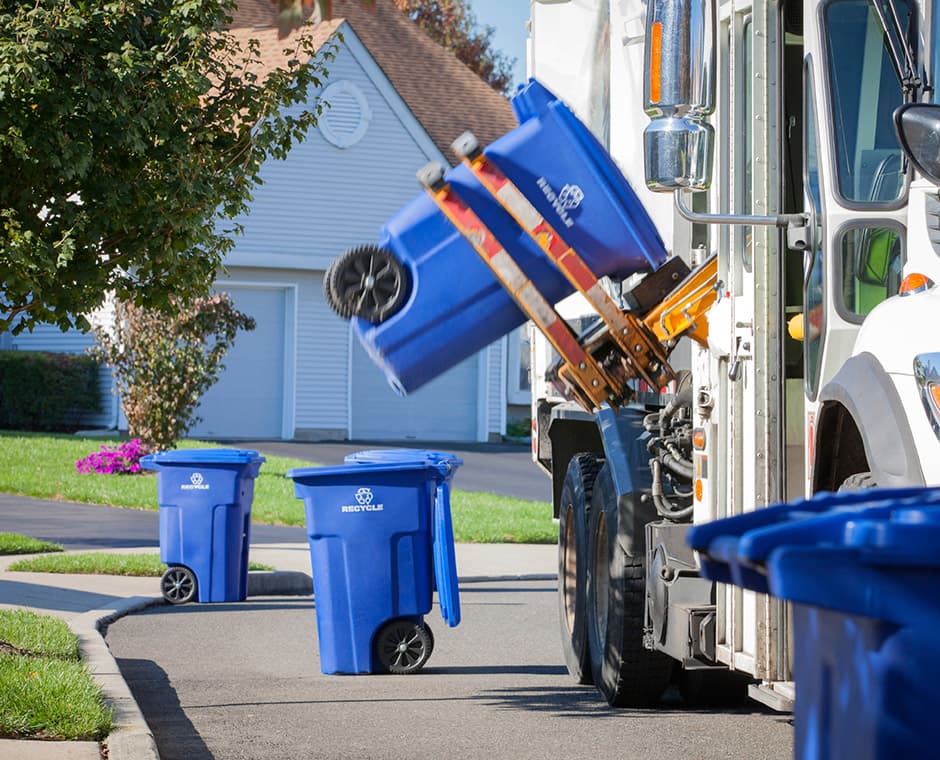
Menominee County’s recycling system starts with a simple routine at the curb, but the stakes reach beyond trash day. One properly prepared recycling cart can help keep grant dollars flowing to the county and the Menominee Tribe, while missed participation can push the program toward higher costs, weaker service, and more pressure on local taxpayers.
What belongs in the cart
The county’s curbside guidelines are built around two 95-gallon containers: one for trash and one for recycling. Residents and seasonal landowners may be provided with both totes, and the county allows only one garbage cart and one recycling cart per residence. That limit makes the system straightforward, but it also means households need to use each cart correctly.
Trash has to be bagged, tied, and fit inside the provided tote. Recyclables must be rinsed and placed loosely in the rolling recycling cart, not bagged with garbage. Cardboard should be broken down to a maximum size of 2 feet by 3 feet, a detail that matters on pickup day because oversized boxes can slow collection and create overflow at the curb.
The county also frames recycling and composting as part of the broader public interest, not just a household chore. Officials say the program helps support the economy, conserve materials, reduce air pollution, and save energy, which is why the county treats cart placement and sorting rules as part of the same system.
How pickup works at the curb
Harter’s Disposal handles Menominee County’s curbside collection, and weekly recycling happens on the same day as regular trash pickup. That schedule matters for households trying to keep a consistent routine: the carts go out together, and the recycling cart is collected every week rather than on a separate cycle.
The county also answers a common concern about what happens when one truck seems to take both waste streams. Seeing one vehicle on the street does not mean the materials are being mixed. The provider says the trucks use internal separation or separate routes, and recyclable material is taken to a material recovery facility after collection.
The county defines recyclables as glass, metal, plastic, and paper that can be co-mingled once they are separated from trash through the cart system. That makes the early step at home especially important. If the right items go into the right cart, the rest of the chain can work without extra handling or contamination.
Why participation affects taxes and service
Menominee County says the recycling program depends on grant dollars, and weak participation can put that support at risk. The county warns that if residents do not participate, Menominee County and the Menominee Tribe could lose grant money and face potential tax increases. That means a household decision at the curb can affect the county budget as well as the local environment.
The warning is not new. A 2012 county recycling article said the Tribe and the county receive state grant funds for recycling and cautioned that reduced participation could lead to lost grant funding, then lost curbside pickup, and eventually a return to hauling garbage to the Keshena transfer site. That older warning gives the current guidance real weight: the program is designed to stay local only if enough people use it.
The financial structure behind the program also shows how closely county and tribal systems are linked. The Menominee County Land Conservation Committee says it works with the Menominee Indian Tribe of Wisconsin and reallocates up to $8,000 annually from state-allocated grant funds to Menominee County. That ongoing transfer underscores how recycling funding, service delivery, and intergovernmental cooperation are tied together in Menominee County.
Town, tribal, and county rules moving together
The local system has continued to evolve. A 2025 Town of Menominee accomplishments report says the town entered a new five-year agreement with the Menominee Indian Tribe of Wisconsin for curbside trash and recycling collection, with Harter’s Disposal continuing as the service provider. That agreement shows the county is not dealing with a temporary arrangement, but with an established service structure that has to stay stable for households to rely on it.
The town’s Solid Waste and Recycling Ordinance was originally adopted in 2016 and amended in March 2026. That update signals that the rules are still being refined under Wisconsin recycling law, even as the basic household expectations stay the same: bag the trash, rinse the recyclables, and use the carts as directed.
Special cases households should know
Not every property fits the same mold. Camping lots can receive carts, but a one-time fee applies, so seasonal use does not automatically mean exempt service. For people living on tribal land, cart requests go through Community Development at 715-799-5155, which shows that the county and tribal systems work side by side rather than as separate tracks.
For Menominee County households, the practical test is simple. Set out the carts properly, recycle every week, and keep the material clean enough to stay in the program. That is what protects the route, the grant dollars, and the curbside pickup many residents depend on.
This article was produced by Prism’s automated news system from verified source data, official records, and press releases, then run through automated quality and moderation checks before publishing. The system is built and supervised by the people who set the standards it runs under. Read our full AI policy.
Did this article answer your question?