Menominee tribe warns climate change is reshaping forests and traditions
Tribal foresters on the Menominee Reservation said climate change is adding to oak wilt and other pressures across a roughly 230,000-acre forest. They met there for the 49th annual timber symposium.

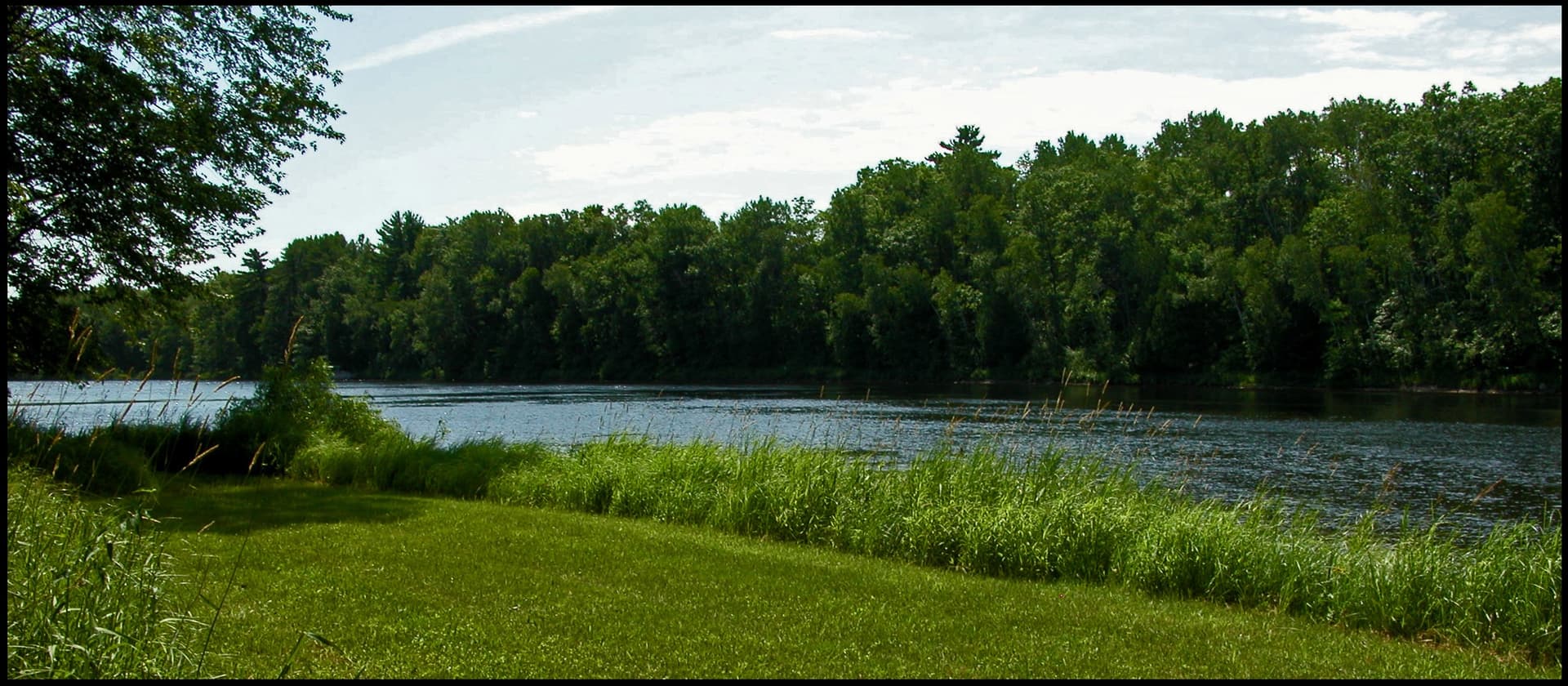
Forestry experts and Menominee tribal officials gathered on the Menominee Reservation in June for the 49th annual National Indian Timber Symposium, putting climate change, oak wilt and the future of the tribe’s forest in the same room. The meeting centered on a landscape that covers roughly 230,000 to 235,000 acres in northeastern Wisconsin and has long been recognized as one of the country’s most important working forests.
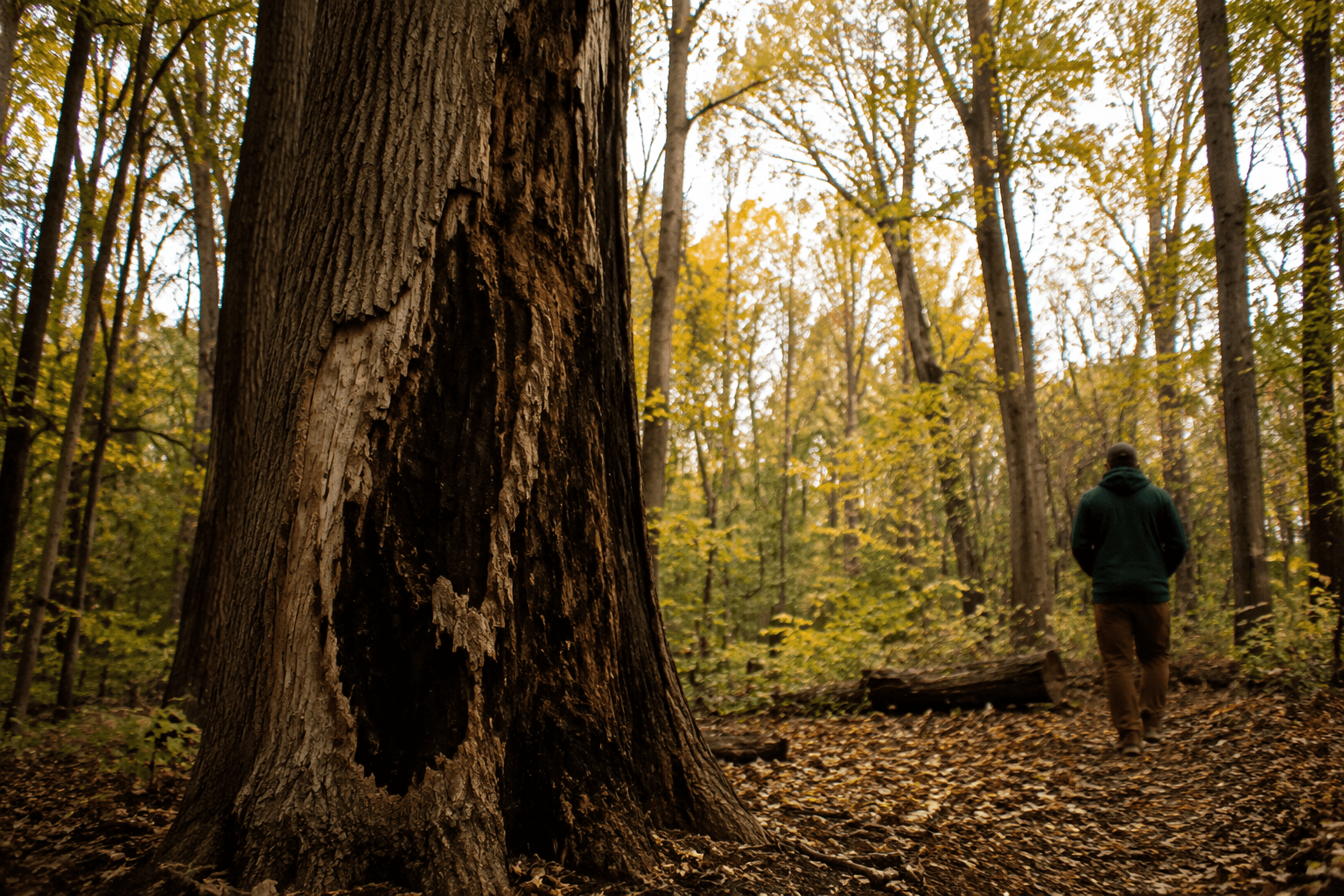
The Menominee Indian Tribe of Wisconsin has built its reputation on sustained forest stewardship, and federal material has described the forest as a model of sustainable forestry. That record is now being tested by changing conditions. A USDA blog on the Menominee Nation forest says climate change is intersecting with forest-health problems such as oak wilt, while other pressures, including non-local species, are making long-term management more difficult.
Menominee forester Jeff Grignon put that responsibility in direct terms: “My role is to regenerate the forest, maintain the forest, create diversity, and look toward the future.” That mission now has to account for a forest that is changing faster than the conditions many Menominee foresters learned to expect, with each new stand shaped by weather, disease and regeneration choices that carry consequences for the next generation.
The tribe has been responding by blending Western science with Traditional Knowledges in climate-informed forest restoration, a framework highlighted by the U.S. Forest Service. The work is not limited to tree species and cutting cycles. It also reaches into how Menominee families understand land use, harvest timing and the knowledge passed down through generations as the forest around Keshena, Neopit and the rest of the reservation shifts.
The College of Menominee Nation’s Sustainable Development Institute has also worked to build climate adaptation capacity through Shifting Seasons Summits, which have brought together tribal decision makers, federal agencies, Indigenous practitioners, land stewards and climate scientists. The effort aims to match on-the-ground changes with planning that reflects both science and community priorities.
That broader effort has drawn research backing as well. Penn State has said a National Science Foundation grant worth $1.7 million will study how climate change affects the Menominee Nation’s forest home, with attention to the cultural and economic challenges that come with it. For a community whose forest is both workplace and inheritance, the symposium made clear that climate change is now part of the daily work of keeping that forest alive.
This article was produced by Prism’s automated news system from verified source data, official records, and press releases, then run through automated quality and moderation checks before publishing. The system is built and supervised by the people who set the standards it runs under. Read our full AI policy.
Did this article answer your question?