West Shore Fishing Museum preserves Menominee County's fishing heritage
The West Shore Fishing Museum turns a Green Bay shoreline stop into a guide to Menominee County’s fishing work, family life, and coastal identity.
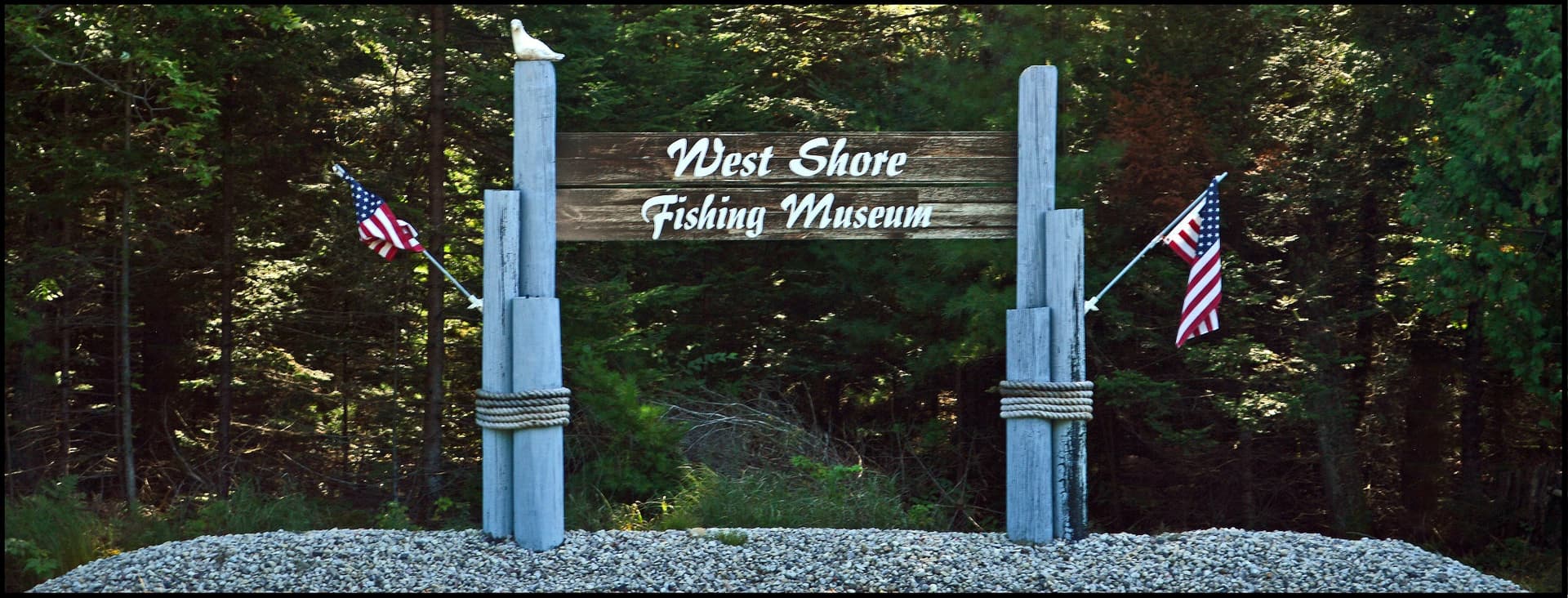
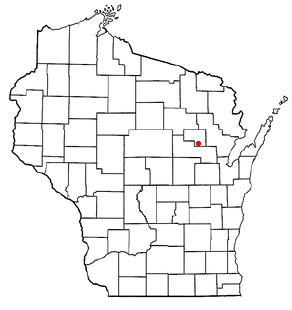
The West Shore Fishing Museum sits where Menominee County’s shoreline history is easiest to read in place. Along M-35 on the Green Bay shore, about 15 miles north of Menominee and 8 miles south of Cedar River, wooden signs lead visitors down a shady lane through Bailey Park to a site tied directly to fishing life on the West Shore of Green Bay. That location makes the museum more than a stop on a map: it is a way to see how water, work, and family settlement shaped this county’s coast.
Where the shoreline story begins
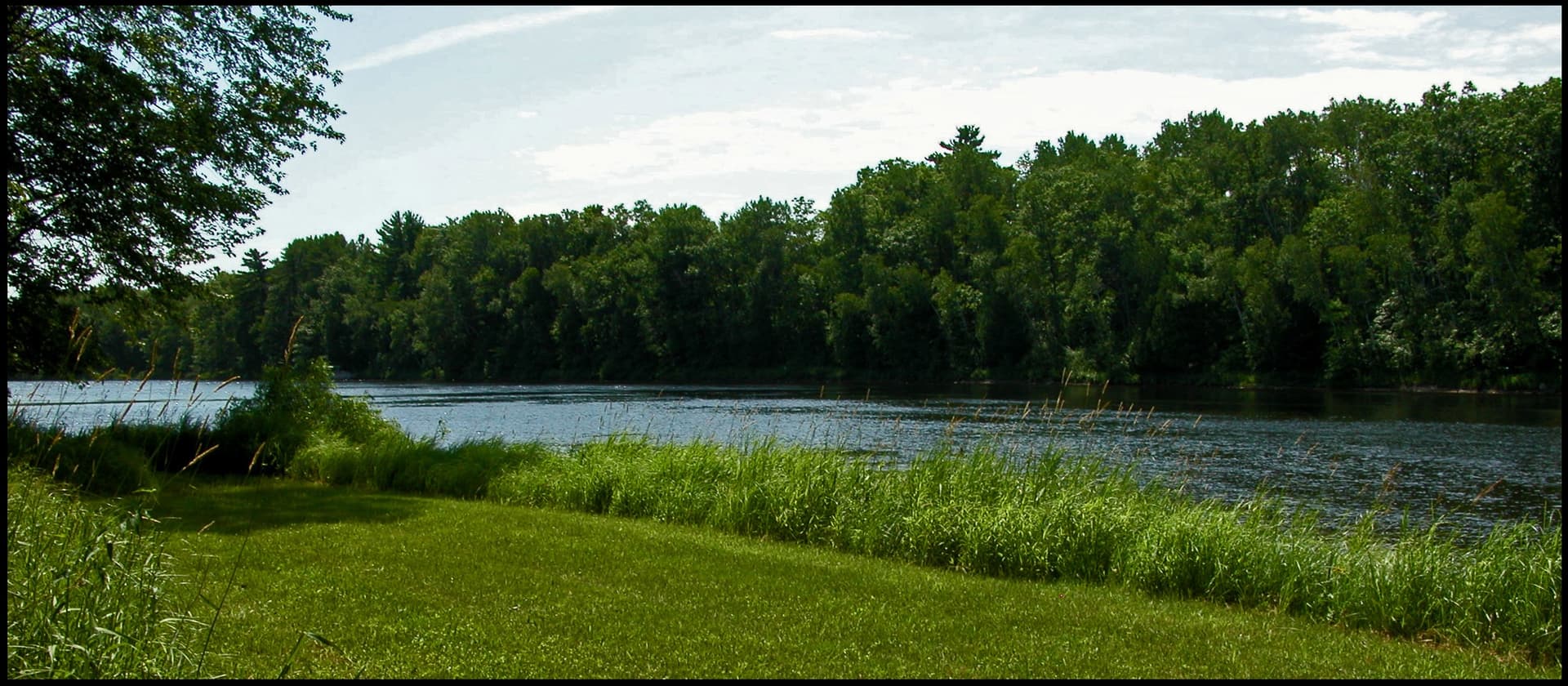
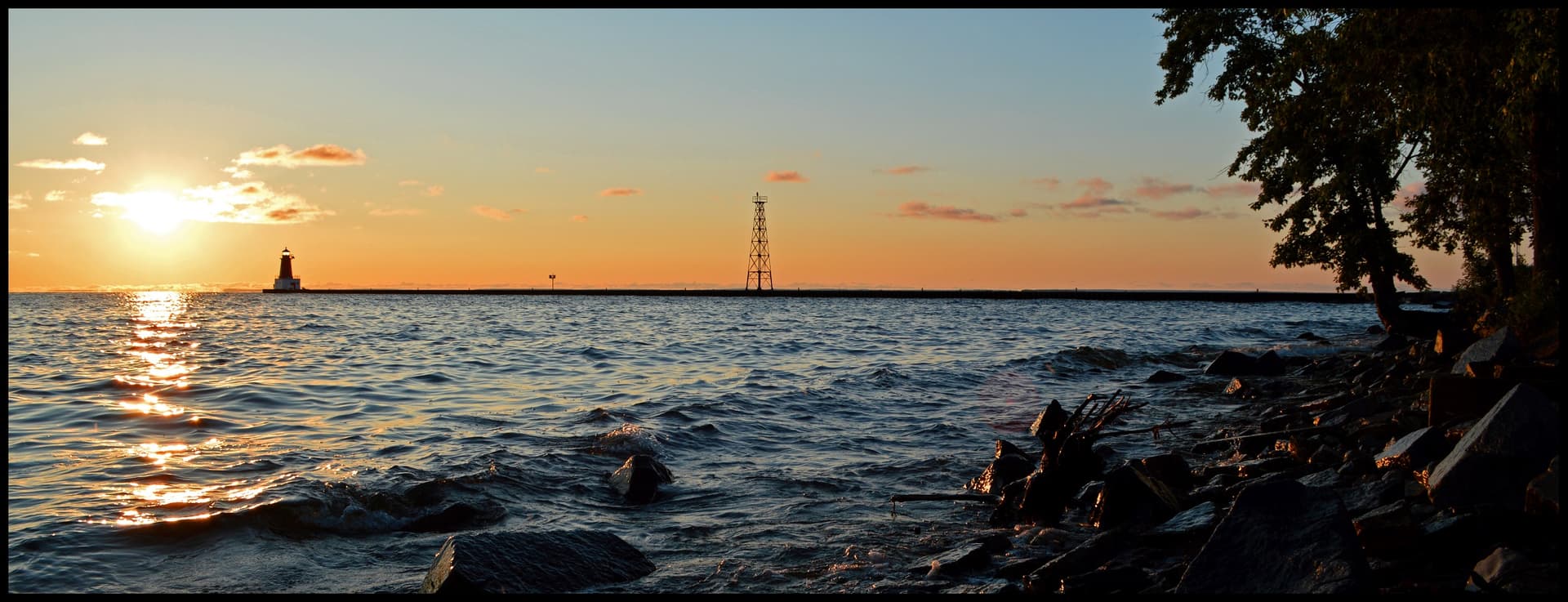
The museum is built around geography that once determined daily life. The Green Bay shoreline supported fish houses, boats, seasonal labor, and the family economies that grew around them, so the coast was not just scenic but functional. When you reach the museum by the lane through Bailey Park, the setting itself explains why shoreline communities developed where they did and why fishing became part of local identity.
That context matters because the museum is not presented as a detached display of old tools. It is a well-preserved historical site on a stretch of road already used by travelers moving up and down the county’s shoreline, which gives it a practical value as well as a historical one. The route along M-35 ties the museum to the physical line of settlement that runs beside the water.
A site rooted in the Bailey homestead
The museum’s own mission places it on the homestead and fishery of Charles and Aurora Bailey. That detail is central to understanding the site, because it links the museum to a working property where fishing was once part of home life, not an activity separated from it. The homestead frame also gives the museum a family-scale story, one that reflects how many shoreline households in Menominee County depended on the lake and bay for both livelihood and routine.
The museum says it preserves and portrays fishing life on the West Shore of Green Bay in prehistoric, pioneer, and modern eras. That long timeline broadens the story beyond one period of commercial fishing and shows how the shoreline has supported human use across generations. It also helps explain why the museum belongs in a county guide that focuses on living memory rather than static artifacts.
What the drive reveals before you even enter
The approach to the museum is part of the experience. Wooden signage directs visitors off M-35 and into Bailey Park, where the shady lane creates a quiet transition from highway traffic to a site shaped by the shoreline. The route is simple, but the setting signals that the museum belongs to the coast itself, not to an inland display hall.
Because it sits between Menominee and Cedar River, the museum works as a waypoint for anyone tracing the county’s west shore. The location makes it easy to connect the museum with other shoreline landmarks, fishing access points, and the communities that grew up around them. That is one reason the museum functions like a guide to county memory: it is placed exactly where the history happened.
How the county has kept the story alive
The West Shore Fishing Museum is an affiliate of the Menominee County Historical Society, which gives it institutional backing inside a broader preservation effort. The society was established on January 17, 1967, by president Michael J. Anuta, vice president Frank Budmats, secretary Violet Pawlowski, and treasurer William Ferstrum. Those names mark the organized local effort that helped ensure county history would not be left to chance.
That effort extends beyond the fishing museum. In 1976, the society acquired the St. John the Baptist Catholic Church for use as the Menominee Heritage Museum, creating another place to house artifacts and photographs from the county’s history. Taken together, the two museums show how Menominee County has used local institutions to preserve different parts of its past, from religious and civic records to shoreline work and fishing culture.
The point is not simply that older buildings were saved. It is that local preservation has created a network of places where county history can still be seen in physical form. The West Shore Fishing Museum belongs to that effort because it keeps a piece of working shoreline heritage visible in the same landscape where it once functioned.
Why the heritage trail matters
The museum is also a stop along the Great Lakes Fisheries Heritage Trail, which places Menominee County within a much larger regional story. The trail describes itself as telling a story of people, places, fish, and fishing throughout Michigan and across the Great Lakes region. It links heritage sites that help people understand aquatic ecosystems, biodiversity, water quality, and environmental change.
That wider frame gives the museum a current public purpose. Fishing heritage is not only about nostalgia for an older industry; it also connects to how communities understand the waters they live beside and depend on. In Menominee County, that means the museum speaks to labor, family settlement, shoreline access, and the long relationship between the county and Green Bay.
What stands out on a visit
Several details make the site especially useful for anyone following Menominee County’s coastal story:
- It is directly off M-35 on the Green Bay shore
- It sits about 15 miles north of Menominee and 8 miles south of Cedar River
- Wooden signs lead into Bailey Park and down the lane to the museum
- It is tied to Charles and Aurora Bailey’s homestead and fishery
- It belongs to the Menominee County Historical Society network
- It connects to the Great Lakes Fisheries Heritage Trail
Those facts make the museum easy to place in both geography and memory. A visitor does not have to imagine how the county’s shoreline economy worked; the museum site itself points back to the homes, boats, fish houses, and labor that once defined this coast.
West Shore Fishing Museum preserves Menominee County’s fishing heritage by keeping that shoreline story in its proper place: on the water’s edge, where geography shaped work, families, and identity, and where the county’s past still reads clearly in the landscape.
This article was produced by Prism’s automated news system from verified source data, official records, and press releases, then run through automated quality and moderation checks before publishing. The system is built and supervised by the people who set the standards it runs under. Read our full AI policy.
Did this article answer your question?