Bahia Honda State Park tells the Florida Keys story in one stop
Stand on the Old Bahia Honda Bridge and the Keys snap into focus: railroad ambition, hurricane ruin, and a beach park that still connects Monroe County’s past and present.
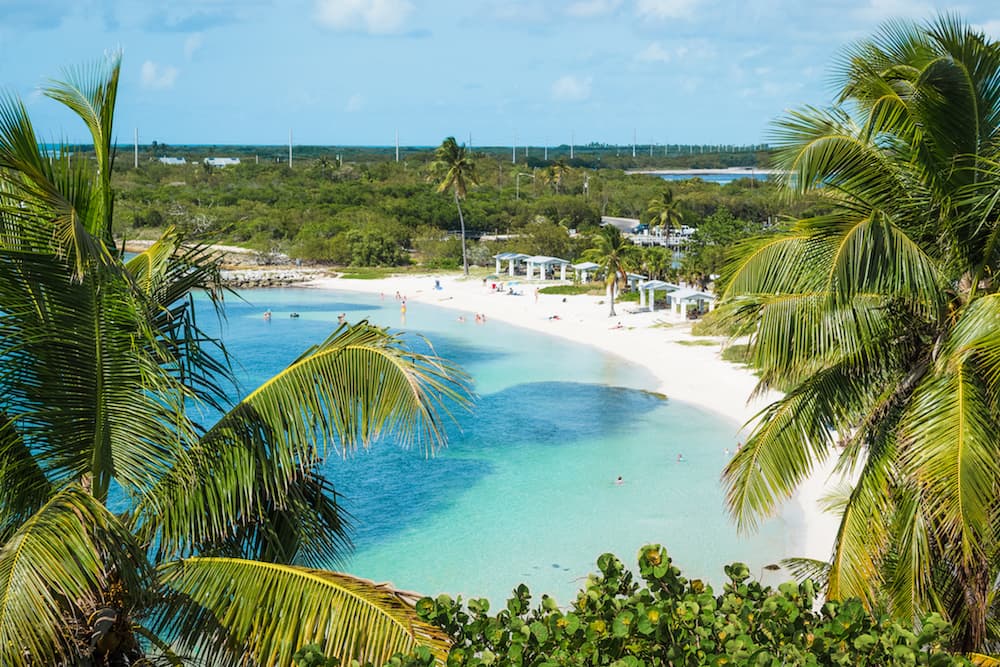
Bahia Honda State Park is the rare Monroe County place where the Florida Keys story can be read from one high point. From the Old Bahia Honda Bridge, the channel below, the open water, and the low islands around Mile Marker 36 pull together the engineering, storm history, and beach landscape that shaped the Keys long before U.S. 1 became the everyday road through them.
A bridge built for a crossing that tested engineers
The park’s most dramatic view sits on top of a piece of infrastructure that was never ordinary. The Bahia Honda Bridge stretched 5,050 feet and carried 27 through-truss spans plus 9 deck plate-girder spans, a design shaped by the depth and difficulty of the crossing between Bahia Honda Key and the next island. That channel, now known for its striking drop and clear water, is one of the deepest natural channels in the Florida Keys.
That engineering challenge is exactly what makes the site so easy to read today. Florida State Parks traces the bridge dream back to 1878, after Henry Flagler first came to Florida, with work on the railroad and highway connection beginning in 1904 and the railroad line finished in 1912. The decision to use steel trusses instead of continuing the concrete arch style used elsewhere on the railroad was a practical answer to deep water, and it gave the span a visual profile that still stands out from the Old Keys Bridges.
Even the name fits the setting. Bahia Honda means “deep bay” in Spanish, and the waterway below the bridge makes clear why that name stuck. The crossing was strategic, but it was also exposed, which is why the bridge story cannot be separated from the storms that later battered the Keys.
Hurricane damage changed the route, but not the landmark
The Labor Day Hurricane of 1935 damaged the line, and the old bridge became part of a larger chapter in how the Keys were rebuilt and reconnected. The state bought the bridge in 1938, then engineers added a concrete deck so the narrow railroad structure could handle highway traffic. That adaptation kept the crossing useful while preserving the old span’s identity as a relic of the railroad era.
A newer Bahia Honda Bridge opened in 1972, and two spans of the old bridge were later removed for boat traffic and safety. What remains is enough to show the scale of the original crossing and enough to make the overlook feel like a place where Monroe County history is still visible rather than sealed behind museum glass.

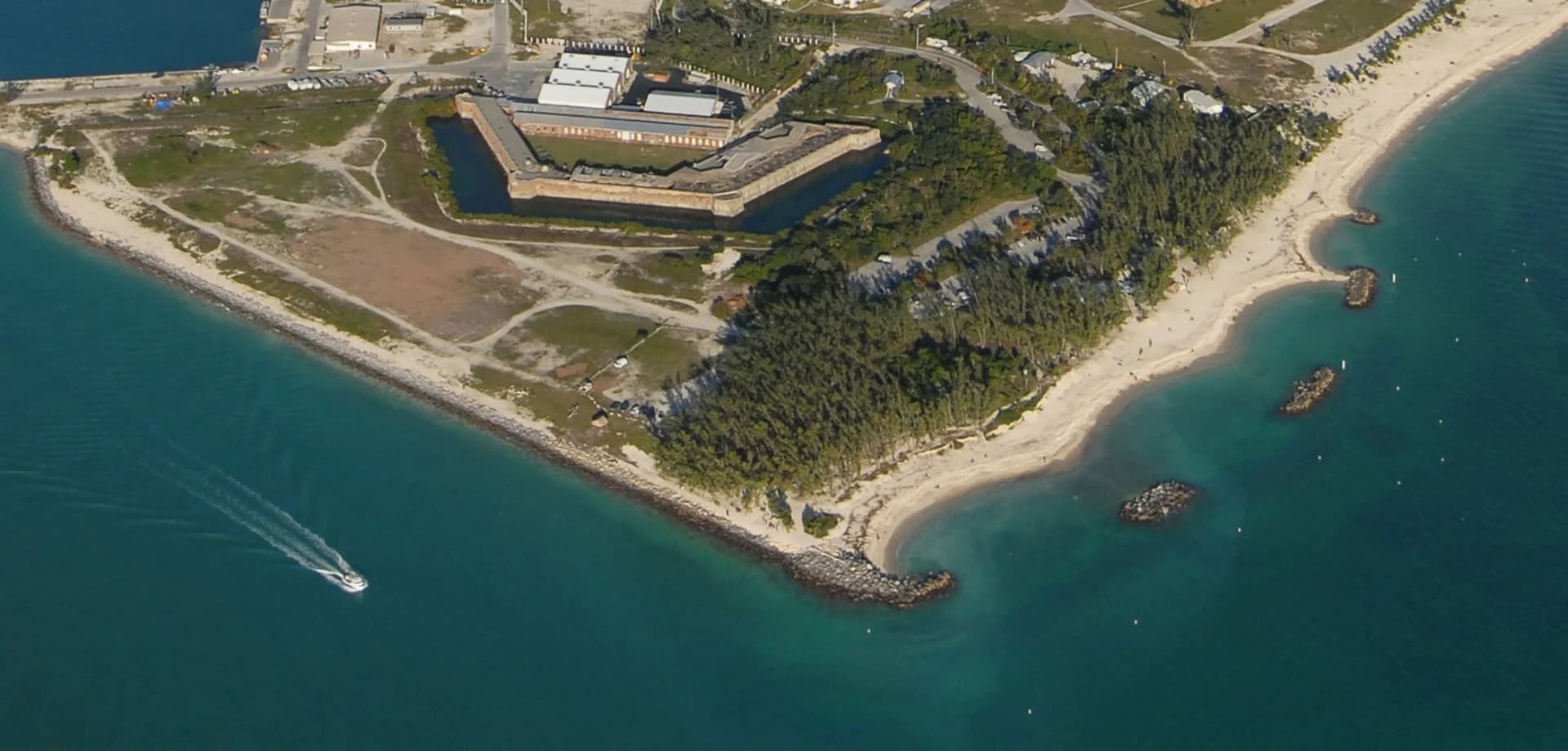
The park itself came into state hands on September 21, 1961, through a donation from Monroe County. Before that, it had been a county park in the 1950s, and today it covers 491.25 acres. The Florida Department of Environmental Protection’s management plan says the park exists to protect Bahia Honda Key’s rare natural communities and one of the most recognizable segments of the Old Keys Bridges, a mission that matches what visitors actually see when they stand on the old span and look down the line of islands.
What to do once you step off the bridge
The bridge trail is the easiest way to absorb the park’s history, but Bahia Honda is not only about standing still and looking back. Florida State Parks says the park is open 365 days a year, from 8 a.m. until sundown, which makes it one of the most flexible full-day stops in the Keys. The setting shifts as the light changes, and the same island that tells the railroad story in the morning can feel like a beach getaway by afternoon.
The practical attractions are straightforward and strong:
- Sandy beaches and clear water make the park one of the most inviting swim stops in the Middle Keys.
- Kayak and snorkeling gear rentals are available, so visitors can move from shoreline to water without leaving the island.
- Reef boat trips for snorkeling excursions connect the park to the offshore world around Looe Key National Marine Sanctuary.
- The Old Bahia Honda Bridge trail gives a direct walk into the site’s history, with open views over the channel and the lower islands.
The mix matters because Bahia Honda turns a Monroe County drive into a compact experience. You can stand on a rail-era bridge, look across one of the deepest natural channels in the Keys, and then head down to the beach without changing the setting or the story.
Birds, turtles, and the living landscape of the Keys
Bahia Honda’s value is not only architectural. The Florida Birding Trail identifies the park as a strong birding site with tropical hardwood hammock, coastal berm, beach, and dune habitat, and it points to white-crowned pigeons, warblers, shorebirds, and waders as regular draws. At low tide, the beach becomes even better for spotting shorebirds and waders, making the park useful for both casual visitors and people who plan their stop around bird activity.
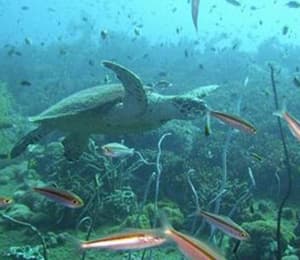
Florida State Parks also notes that sea turtle nesting is monitored at Bahia Honda State Park, which adds another layer to the park’s role as a managed natural site rather than just a scenic pull-off. That balance, between active preservation and public access, is part of what makes Bahia Honda distinctive in Monroe County. Friends of Bahia Honda State Park also helps support the park, a reminder that the site’s upkeep depends on more than just its natural advantages.
That combination of history and habitat is what gives Bahia Honda its unusual clarity. The bridge tells how the Keys were linked, the storm damage shows how fragile that link was, and the beach, birds, and reef trips show why the island still matters as a place to spend the day. For Monroe County, it is one stop that explains the route, the risk, and the reward all at once.
This article was produced by Prism’s automated news system from verified source data, official records, and press releases, then run through automated quality and moderation checks before publishing. The system is built and supervised by the people who set the standards it runs under. Read our full AI policy.
Did this article answer your question?