Big Pine Key refuge protects rare deer found only in the Keys
Big Pine Key’s rare deer live nowhere else, and the biggest threats are ordinary ones: roads, feeding, and building too close to their habitat.
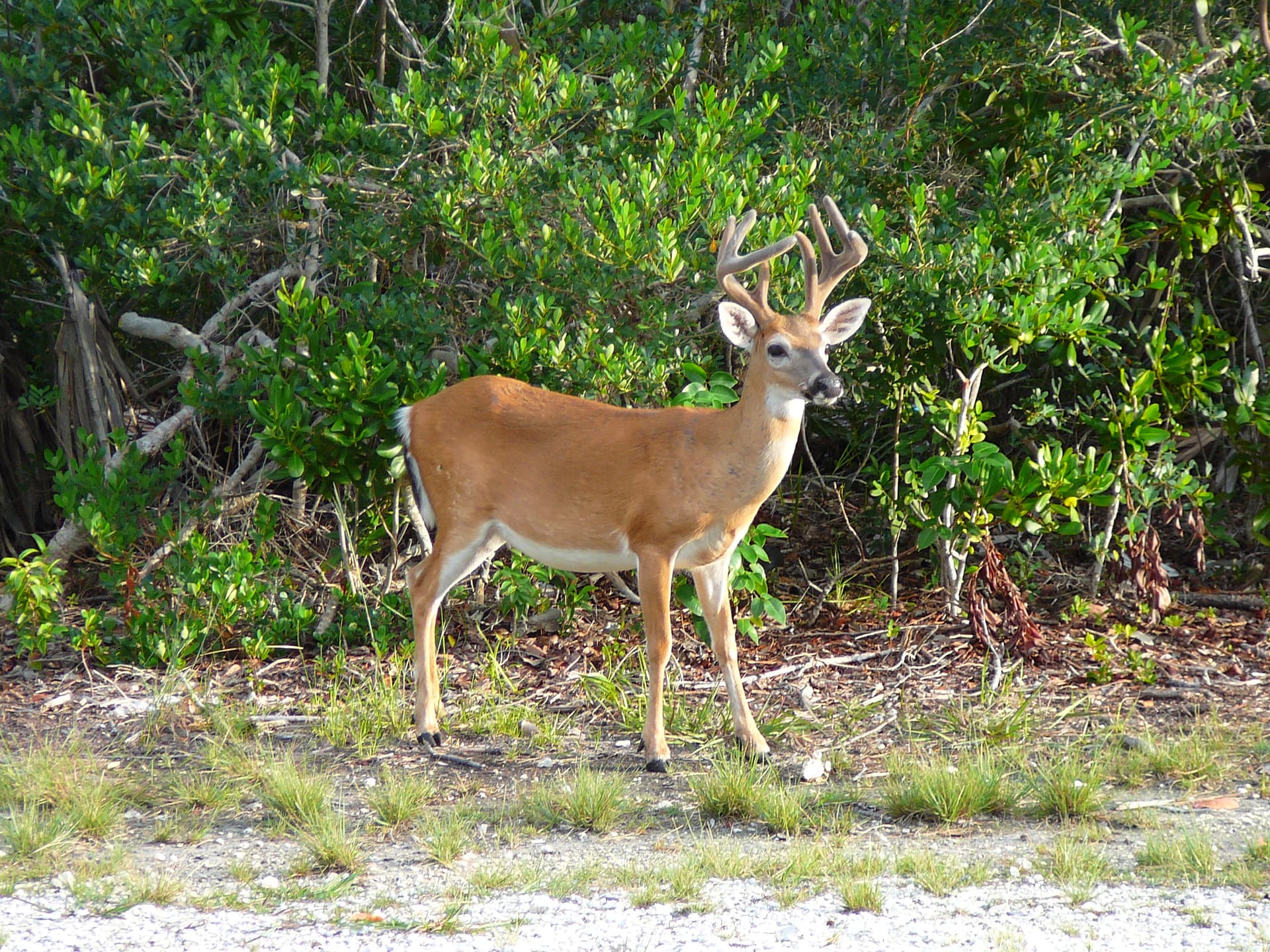
On Big Pine Key, a quick stop in the road can be the difference between a wildlife sighting and a collision. The National Key Deer Refuge exists because the Key deer, the smallest subspecies of North American white-tailed deer, live nowhere else on Earth except the lower Florida Keys, and their survival depends on how people drive, feed, walk and build around them.
A refuge built around one species
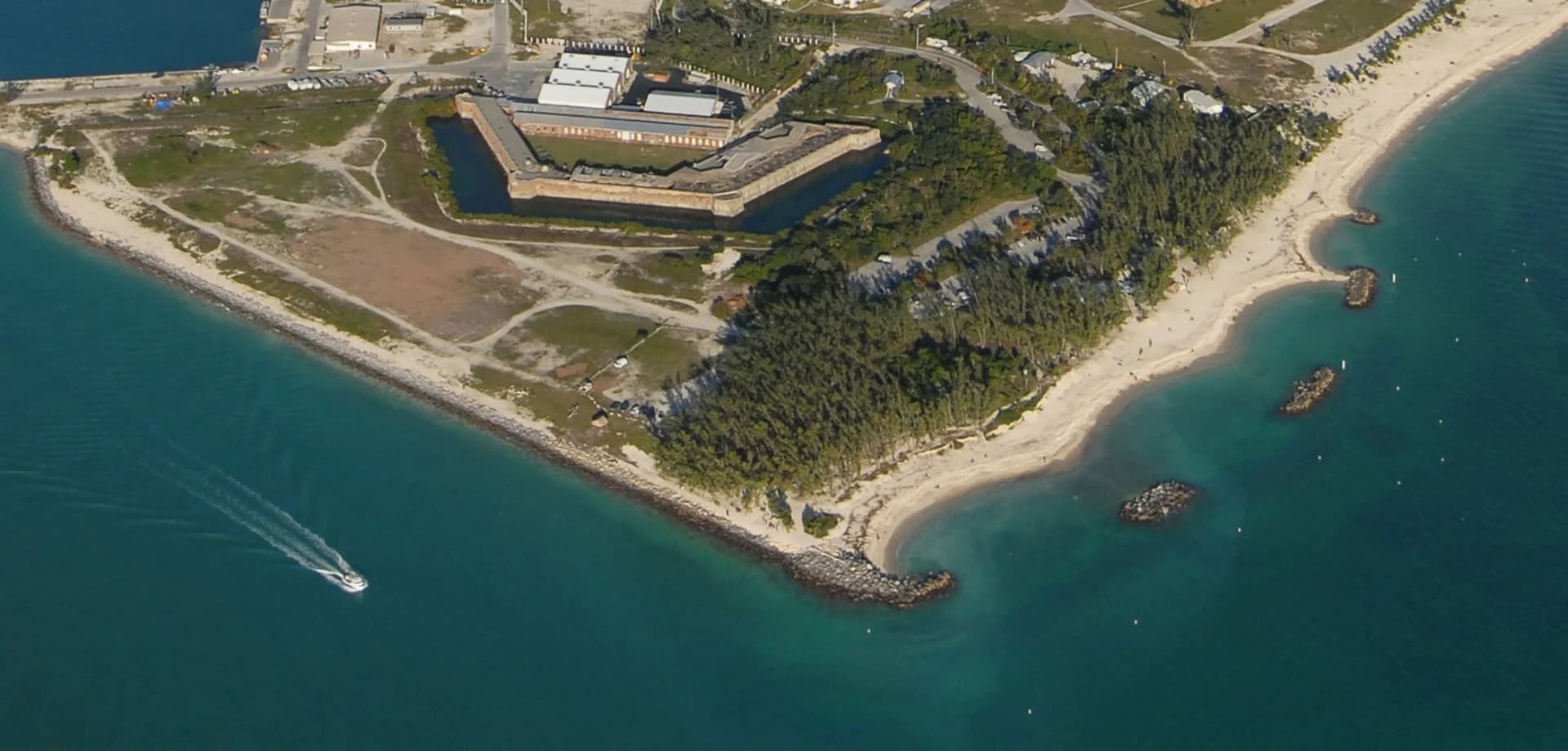
The refuge was established in 1957 to protect Key deer and other wildlife resources in the Florida Keys, and its landscape stretches across a patchwork of islands and habitats that includes pine rockland forests, tropical hardwood hammocks, freshwater wetlands, salt marsh wetlands and mangrove forests. It is home to more than 20 endangered and threatened plant and animal species.
The habitat mix that sustains Key deer also supports other vulnerable species across the refuge’s 84,351 acres on more than 25 islands.
What visitors get wrong on the road
The best times to spot Key deer are early morning and around sunset, though midday sightings can happen too. Lands are open from one half hour before sunrise to one half hour after sunset, and the practical message for Big Pine Key and nearby roads is simple: slow down, stay alert and treat deer crossings as part of the commute, not a nuisance.
Walking, hiking, birding, photography, leashed dog walking, geocaching, nature sketching and seasonal ranger-led tours are allowed, and bicycles are permitted on many rustic trails. Motorized vehicles are not permitted on refuge lands or trails, and feeding, injuring, harassing or removing wildlife, plants or natural items is prohibited.
Access to unnatural food sources and deer-vehicle collisions are core threats, which is why feeding deer or luring them toward roads turns a beloved encounter into a danger. Refuge management also tracks wildlife-roadkill patterns, and a careless driver on U.S. 1 or a side street can do real damage in seconds.
Why habitat protection is a land-use issue
Key deer recovery is tied to what happens beyond the refuge boundary. Under a 2022 Fish and Wildlife Service recovery plan amendment, the Big Pine/No Name Key Habitat Conservation Plan is meant to minimize development impacts across the area, and habitat loss linked to sea level rise is one of the pressures that must be addressed if the species is to remain viable.
The refuge’s pine rocklands, hammocks, wetlands and mangroves are the remaining pieces of an island ecosystem that has been squeezed by roads, houses and changing water levels, and every preserved tract still functions as living habitat.
What Monroe County residents and visitors need to remember
Drive cautiously through Key deer country from Big Pine and No Name keys west to Lower Sugarloaf Key. Keep dogs leashed, stay on allowed trails, leave wildlife alone, and never feed deer to make a photo easier or a moment more memorable.
This article was produced by Prism’s automated news system from verified source data, official records, and press releases, then run through automated quality and moderation checks before publishing. The system is built and supervised by the people who set the standards it runs under. Read our full AI policy.
Did this article answer your question?