BleachWatch recruits volunteers to monitor reef bleaching in the Keys
BleachWatch is training divers and snorkelers to spot reef bleaching before it spreads, with summer sessions set from Summerland Key to Key Largo.
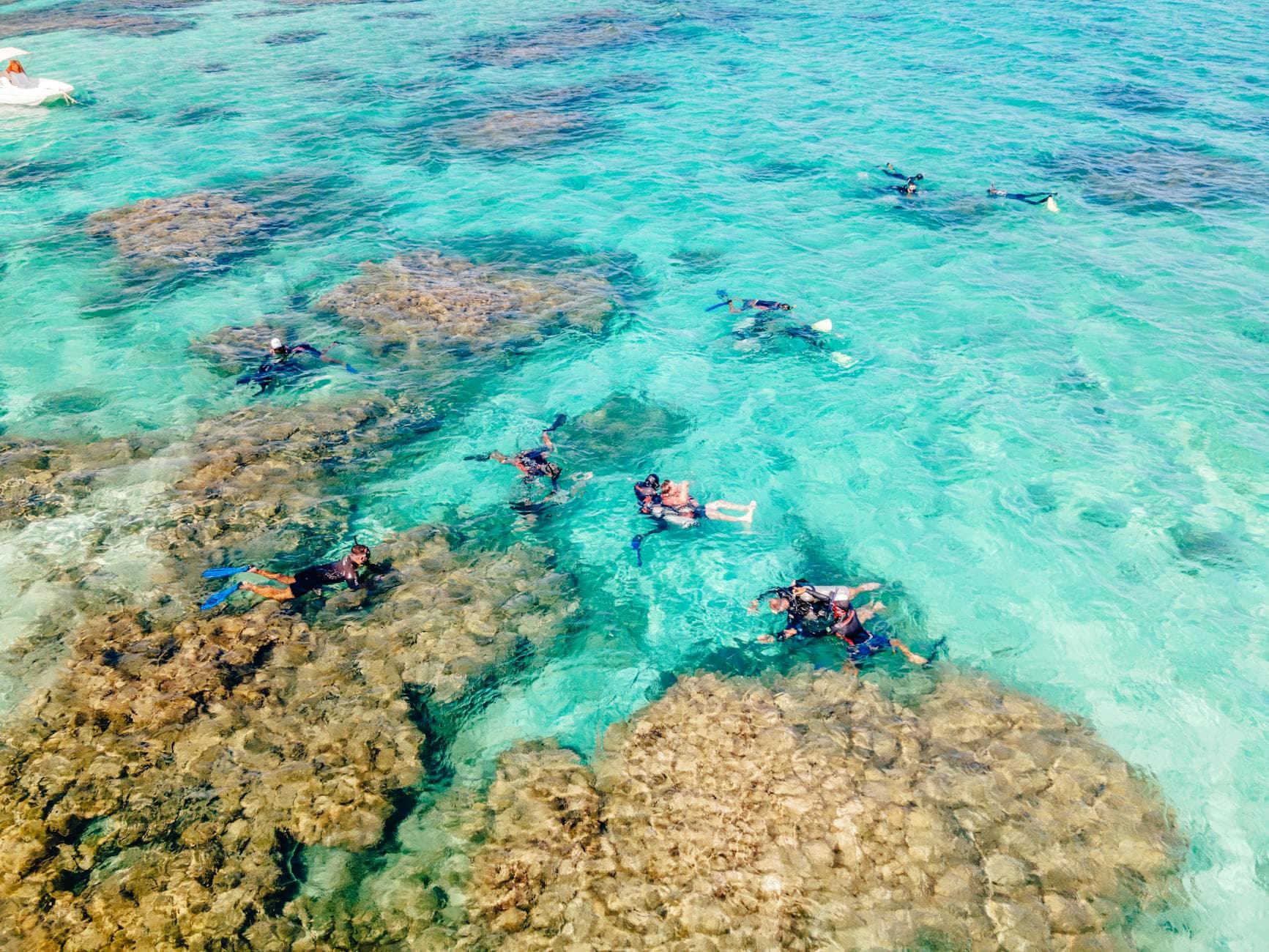
A new round of BleachWatch training is turning divers and snorkelers into early warning eyes for the Florida Keys’ reefs, where heat stress can quickly turn into bleaching, disease and coral loss.
Mote Marine Laboratory & Aquarium and the Florida Keys National Marine Sanctuary are recruiting volunteers to report the occurrence, or absence, of coral bleaching and basic environmental conditions from reef sites throughout the island chain. The program is built for people already getting in the water, and organizers are pushing for broad participation across Monroe County rather than a single centralized class.
Mote listed in-person trainings in Summerland Key on May 14, in Islamorada on May 18, in Key Largo at Reef on May 19, in Marathon on May 23, and in Key Largo at Pennekamp on June 13. The goal is to build a trained network that can report what reefs look like before, during and after bleaching events, giving scientists faster local data when summer heat starts to push corals past their limits.

That local data matters because the Keys’ reefs are more than scenery. NOAA says healthy reefs help support almost 20,000 local jobs and more than $2 billion in annual regional economic activity tied to tourism, fishing and ocean recreation. Florida Keys National Marine Sanctuary says long-term, large-scale reef monitoring is essential to understanding reef condition, threats and impacts. The sanctuary is home to the only coral barrier reef in the continental United States and the largest documented contiguous seagrass community in the Northern Hemisphere.
The urgency is not theoretical. NOAA and partners assessed Florida Keys corals after the 2023 marine heat wave, and the Florida Fish and Wildlife Conservation Commission said Florida’s Coral Reef experienced the worst bleaching event ever recorded that summer. NOAA’s Mission: Iconic Reefs says healthy coral cover in the Florida Keys has fallen 90 percent since the late 1970s, and the federal restoration effort aims to rebuild seven key reefs to self-sustaining levels by 2040.
BleachWatch is meant to fit into that larger response. For Monroe County, where diving, fishing and tourism depend on reef health, the program gives residents and visitors a practical role in catching trouble early, before a stressed reef becomes a damaged one.
This article was produced by Prism’s automated news system from verified source data, official records, and press releases, then run through automated quality and moderation checks before publishing. The system is built and supervised by the people who set the standards it runs under. Read our full AI policy.
Did this article answer your question?