Crane Point blends museum, wildlife rescue and Keys history in Marathon
One Marathon stop packs a bird rescue center, museum and shaded hammock trails into 63 acres of Keys history, making Crane Point an unusually full half-day outing.
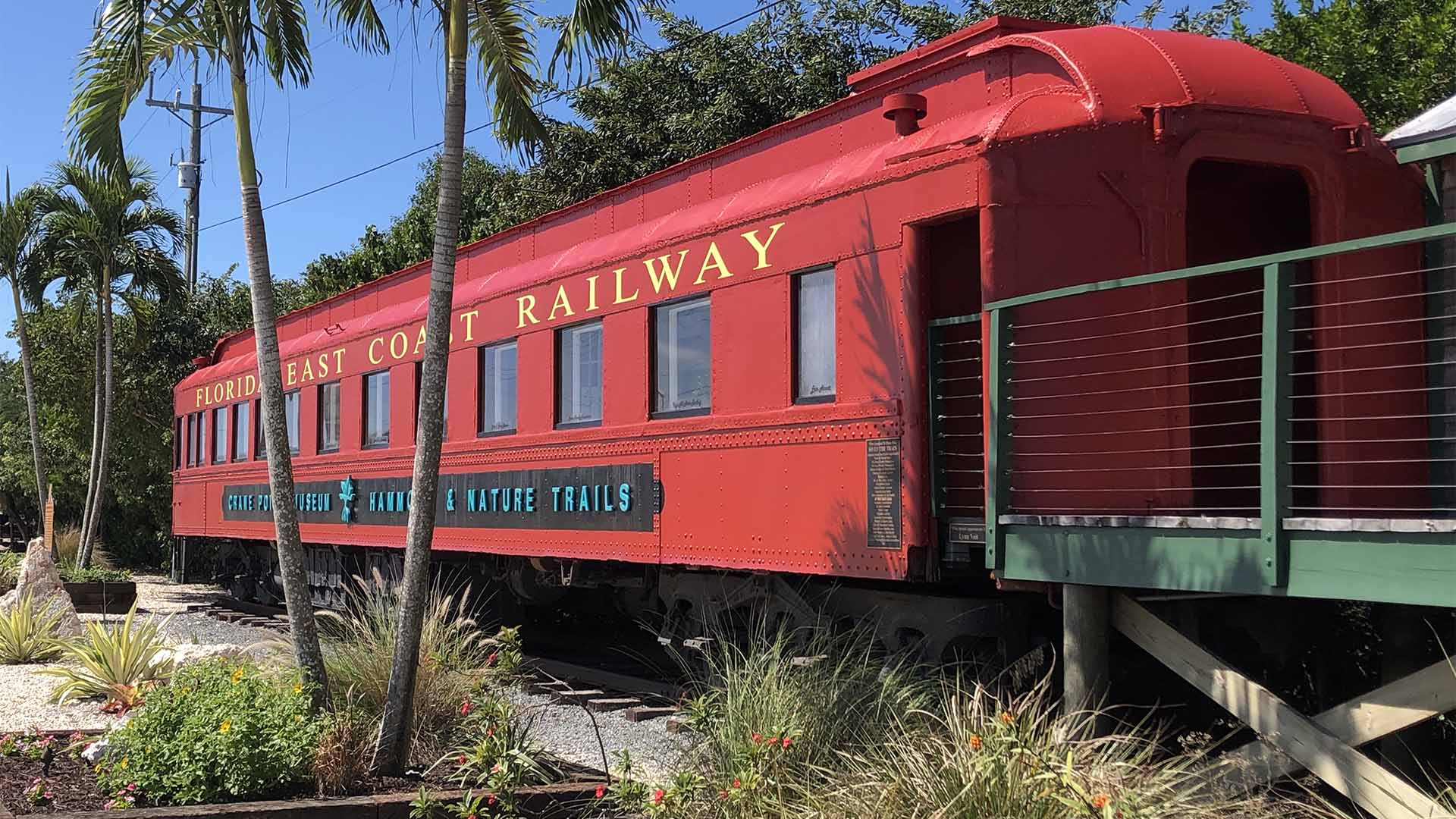
Crane Point hides in plain sight in Marathon, but the surprise is how much it fits into one 63-acre stop. A single visit can move from a wildlife rescue center to a museum of Keys artifacts, then out onto hammock trails, boardwalks and mangrove-lined water. That mix turns it into more than a tourist stop, it is a compact lesson in how Monroe County conservation, settlement history and public access meet in one place.
What Crane Point puts in one walkable stop
Start with the orientation film. Crane Point says the nine-minute introduction is one of the things visitors should not miss, and it helps frame the rest of the property before you move on to the trails, the museum and the bird center. The site also points guests toward guided golf-cart tours, birding, kayak outings, a fish pedicure and the gift shop, so the experience can be as active or as relaxed as you want.
That range is what makes the site feel unusually complete for Marathon. On one property, you can spend time in a museum building, then step into a hammock forest, then continue through mangroves, tidal lagoons and wetland ponds. Visit Florida Keys describes Crane Point as a culturally rich 63-acre oasis with native hammock trails and two historic homes, and that description fits the way the property works in practice.
The Wild Bird Center keeps the place rooted in living conservation
The Marathon Wild Bird Center gives Crane Point a working conservation role, not just a display function. Crane Point says the center has rehabilitated more than 16,000 wild birds since 1995, and Visit Florida Keys says Kelly Grinter estimates she has rescued and released more than 20,000 injured birds since founding the center in 1995. The sanctuary operates with 11 habitats, about 40 permanent resident birds and roughly 20 volunteers.
That scale matters because it shows how local the operation is. Grinter started the center with help from Richie Moretti, founder of The Turtle Hospital, in response to a need for injured-bird first aid and transport in the Keys. Crane Point describes the bird center as a dedicated all-volunteer organization, and that identity explains why it has become part of Monroe County’s conservation network rather than a side attraction.

Museum objects tell a bigger Keys story
The museum side of Crane Point is strongest when it uses specific objects to map the islands’ past. In the Museum of Natural History area, visitors can see a 600-year-old dugout canoe, remnants of pirate ships, a simulated coral reef cave and a Bellarmine jug dated circa 1580. The jug was found in 1980 in near-perfect condition in the Atlantic Ocean off the Florida Keys, which gives the collection a direct link to the waters around Marathon.
Those pieces span a long arc of island history. The canoe points to pre-Columbian coastal travel, the pirate remnants and jug tie into the maritime and shipwreck era, and the coral reef cave display pushes the experience toward the marine environment that defines the Keys today. The museum building itself was originally built in 1954, which adds another layer to a site that already blends archaeology, maritime history and public education.
Adderley House and the human history of the Keys
Crane Point’s historical value is not limited to artifacts. The Adderley House, which the site describes as the oldest house in the Keys outside Key West, brings the focus to the people who made the property part of a longer settlement story. George and Olivia Adderley sailed from the Bahamas to the Keys in the 1890s, then lived on the property from 1903 to 1949.
That background matters because it places Crane Point inside the broader Bahamian migration and homesteading history of the Florida Keys. The house is a direct tie to early 20th-century island life, while the museum collection extends the timeline much further back. Between the Adderley House and the natural history displays, the site shows how Monroe County’s cultural history grew from water, migration and survival.

Why the property itself is part of the story
Crane Point is also a preservation story. The Florida Keys Land and Sea Trust, originally incorporated in August 1978 to preserve, conserve and restore rare and endangered areas of the Florida Keys, bought the 63 acres in 1989. That purchase saved the land from planned development as private homes and a shopping center, which makes the current public use of the site part of a concrete preservation victory.
The landscape still tells that story. Hammock forest, mangroves, tidal lagoons and wetland ponds are not scenery added after the fact, they are the setting that makes the museum, bird center and trails work together. In October 2025, Crane Point and Mote Marine Laboratory also reopened a museum exhibit as part of a mangrove-to-reef partnership, adding a newer public-science layer to a site that already connects land and water.
How to use a half-day at Crane Point
A practical visit starts with the film, then moves to the Wild Bird Center and museum before ending on the trails and boardwalks. If time is tight, that sequence gives you the core of the site without rushing the experience. If you have more time, add the golf-cart tour or kayak outing and use the hammock paths to slow the pace.
The reason Crane Point works so well as a day trip is that it does several jobs at once. It rescues birds, interprets Keys history, protects a rare parcel of land and gives Marathon visitors a place where conservation is visible, not abstract. In Monroe County, that combination is hard to match in one stop.
This article was produced by Prism’s automated news system from verified source data, official records, and press releases, then run through automated quality and moderation checks before publishing. The system is built and supervised by the people who set the standards it runs under. Read our full AI policy.
Did this article answer your question?