Dagny Johnson park preserves Key Largo’s rare hammock habitat
A condo plan turned into 2,421 protected acres, and today Dagny Johnson park lets you walk the rare hammock locals fought to save. The payoff is real: accessible trails, rare wildlife, and a quieter Key Largo.
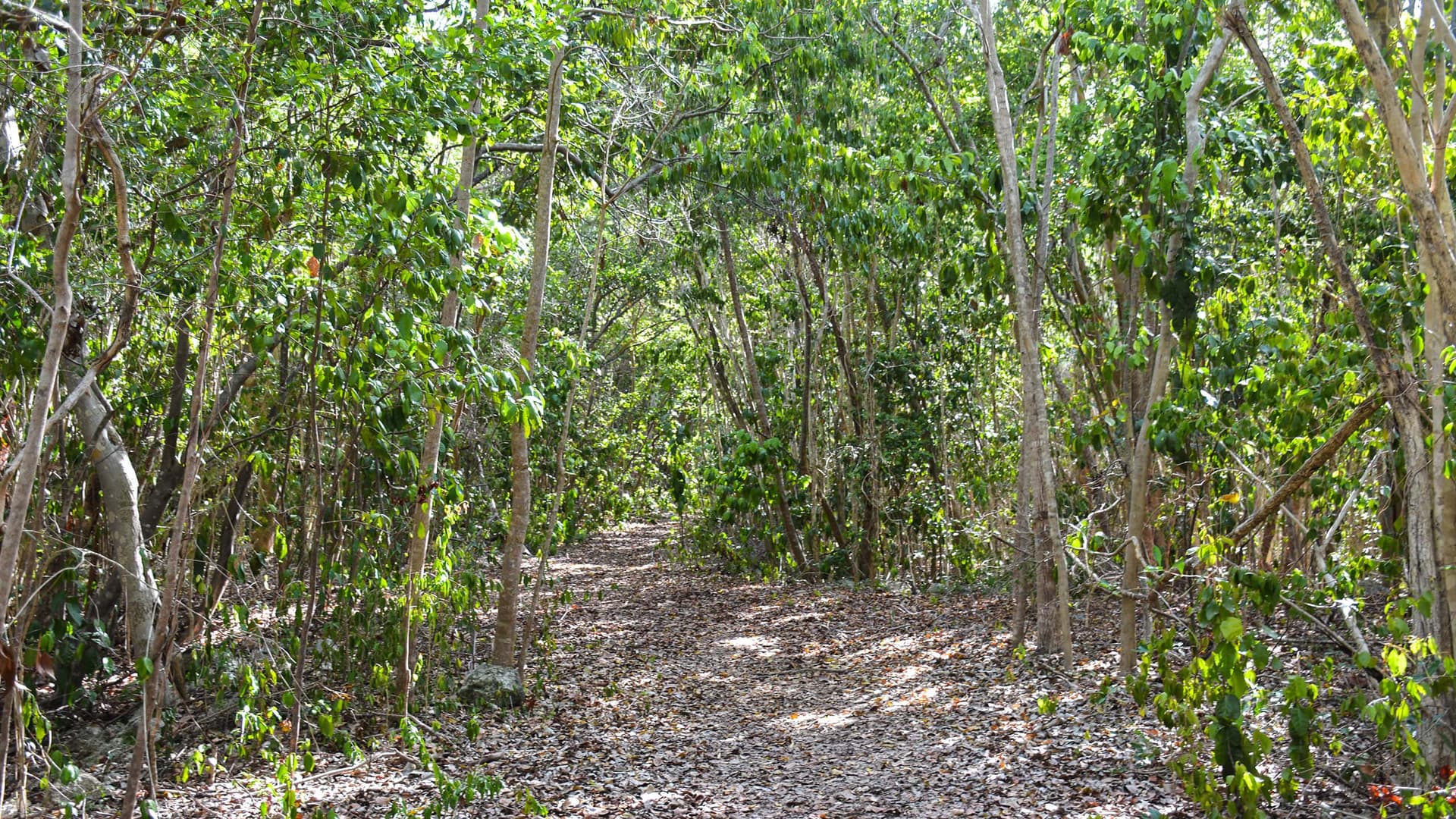
Dagny Johnson Key Largo Hammock Botanical State Park sits on the northern third of Key Largo as proof that a development fight can reshape a landscape for good. What was once slated to become a condominium project is now 2,421 acres of protected hammock, with more than six miles of trails and a visitor experience that feels far removed from the traffic and tourist density that define much of the Keys.
How local organizing saved the land
Dagny Johnson moved permanently to Key Largo in 1967 and founded the Upper Keys Citizens Association in 1971, then spent the 1970s, 1980s, and 1990s pushing back against plans that would have erased the hammock. Florida State Parks says Johnson and allied citizens took their case to Monroe County Commission meetings, made a film, and carried it to the Florida Legislature, with Miami Herald writer Carl Hiaasen covering the campaign.
That effort mattered because the fight was never just about one parcel of land. The activists were also trying to protect the reefs offshore from the impacts of development on land, a reminder that in the Florida Keys, what happens inland rarely stays inland. The park was established in 1982, with land acquired through Florida’s Conservation and Recreational Lands program, and it was named for Johnson about a year before her death in 2003.
What makes the hammock rare
The park preserves one of the largest tracts of West Indian tropical hardwood hammock in the United States, and Florida State Parks says it contains the largest contiguous tropical hardwood hammock in the country. The state park brochure goes further, describing north Key Largo as an area with more tree species per acre than many states and calling the park one of the last large remaining contiguous tracts of subtropical West Indian hardwood hammock in the continental United States.
That concentration of habitat is why the park holds so much biological value in such a small geographic space. Florida State Parks says the site is home to 84 protected species of plants and animals, including wild cotton, mahogany mistletoe, the Key Largo woodrat, the Schaus’ swallowtail butterfly, semaphore cactus, and the American crocodile. The Key Largo woodrat is especially important because it is endemic and found in the wild only in North Key Largo.

The broader north Key Largo habitat complex adds another layer. Crocodile Lake National Wildlife Refuge, established in 1980, protects tropical hardwood hammock, mangrove forest, and salt marsh, and it safeguards habitat for eight federally listed species. Together, the park and refuge explain why this corner of Monroe County remains one of the region’s strongest wildlife strongholds.
Why the park feels different from other Keys destinations
Dagny Johnson is not built around a beach entrance, a marina, or a commercial promenade. The experience is slower and shadier, with limestone hammock, dense canopy, and the sense that the island is still holding onto an older form. That is the direct consequence of the land being conserved instead of paved over for condos and driveways.
The difference shows up in the species list as much as the scenery. A walk here can put you in the same habitat as the Key Largo woodrat, the Schaus’ swallowtail butterfly, the American crocodile, and the semaphore cactus. Federal refuge materials also tie north Key Largo to the Key Largo cotton mouse, the Stock Island tree snail, and the Eastern indigo snake, all part of the habitat network that makes the island’s north end feel ecologically distinct.
It is also a place where the canopy does practical work. The shaded trails make the park easier to use in the Keys heat, and the preserved hammock keeps the visitor experience quieter than the roadside development that would have taken its place. If the condominium plan had gone forward, Monroe County would have lost not just habitat, but one of the few places on the island where the old forest structure still dominates the view.
What to do when you go
The park’s trail system is one of its biggest draws. Florida State Parks says it has more than six miles of nature trails, and most of them are paved and accessible to bicycles and wheelchairs. That makes it one of the more usable protected spaces in the Keys for families, birders, photographers, and anyone who wants a long walk without rough terrain.

The self-guided trail signs turn a visit into a compact lesson in Keys ecology. They help you read the hammock layer by layer, from canopy species to understory plants, while ranger-guided tours add context for visitors who want more detail about the land, the activism that saved it, and the wildlife that still depends on it. For many people, that combination of easy access and deep natural history is the real draw.
- Looking for the Key Largo woodrat’s habitat in the wooded interior
- Watching for butterflies, especially the Schaus’ swallowtail
- Noticing native plants such as semaphore cactus, wild cotton, and mahogany mistletoe
- Taking the paved sections by bicycle or wheelchair where appropriate
- Pairing the park with a stop near Crocodile Lake National Wildlife Refuge to understand the larger habitat system
A good visit now can include:
Why the park still matters to Monroe County’s economy
The preservation story has a measurable local payoff. Florida’s 2019 unit management plan listed 16,196 visitors and $1.7 million in direct economic impact, and it said the park supported 23 jobs. That is not the scale of a major tourist attraction, but for a protected area that began as a threatened habitat block, it is a meaningful return for Monroe County.
The numbers also show how conservation and access reinforce each other. A park that protects rare species, preserves old hammock, and offers a practical, shaded trail system can draw steady use without losing the qualities that make it special. In a county where so much of the shoreline is already built out, Dagny Johnson’s biggest asset is that it still feels like a place where the natural Keys won.
The park’s value is visible in the contrast between what was planned and what exists now. Instead of a condominium site, Key Largo has a protected hammock with rare trees, endangered wildlife, accessible trails, and a conservation legacy tied to one resident’s persistence. That is what makes this corner of North Key Largo feel different, and why it remains one of Monroe County’s clearest environmental victories.
This article was produced by Prism’s automated news system from verified source data, official records, and press releases, then run through automated quality and moderation checks before publishing. The system is built and supervised by the people who set the standards it runs under. Read our full AI policy.
Did this article answer your question?