David Strawn Art Gallery marks more than a century in Jacksonville
A 1915 deed turned the Strawn home into a gallery that still gives Jacksonville free exhibits, classes and a downtown cultural anchor.
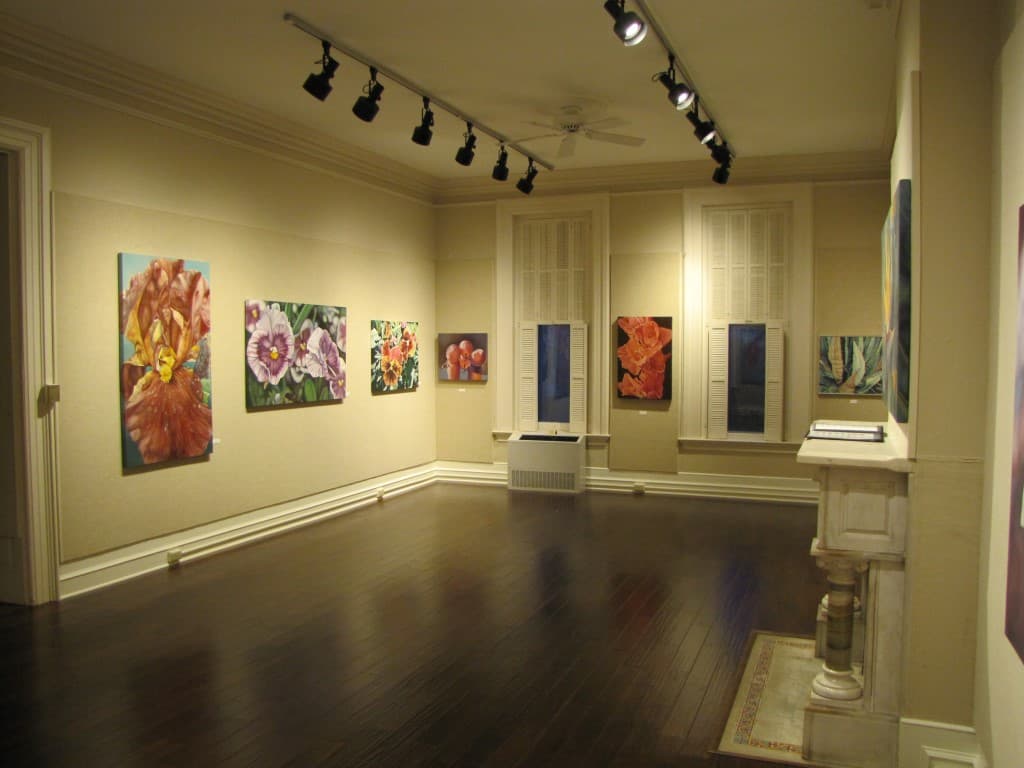
The David Strawn Art Gallery is one of the few places in Morgan County where a historic home still works as a living public institution. From its free monthly openings to its changing season of area art, the gallery keeps drawing people back to West College Avenue while carrying a record of continuous exhibitions that reaches back more than a century.
A civic landmark with a long memory
The Art Association of Jacksonville traces its roots to the 1870s and says it was chartered in 1875. On February 19, 1915, Dr. David Strawn deeded the home to the association to be used as an art gallery, and the gallery says it has held continuous art exhibits from 1915 to the present. That sequence gives Jacksonville something rare: an arts institution with a documented century-plus run, anchored in a house that predates the gallery itself.
The association’s mission still sounds practical rather than ceremonial. It exists to increase awareness and appreciation of visual art through exhibits, classes and workshops while also maintaining the historic building that houses the gallery. In a county where downtown buildings often have to justify their place in everyday life, that combination matters because it keeps the property open to the public instead of locking it into private preservation.
Where to find it and when to go
The gallery stands at 331 W. College Avenue in Jacksonville, placing it squarely in the city’s historic core. Its season runs from September through May and features a changing collection of area artwork, with gallery openings held each month that are free and open to the public. That schedule gives local residents and visitors a predictable reason to return, rather than treating the building as a one-time stop.
Current leadership is tied directly to names readers will recognize in Jacksonville. Cathy Hackett serves as president of the Art Association of Jacksonville, and Kelly M. Gross is listed as gallery director. Those roles matter because they show the gallery is not an abandoned relic but an operating institution with people responsible for keeping it visible, programmed and open.
The house itself is part of the exhibit
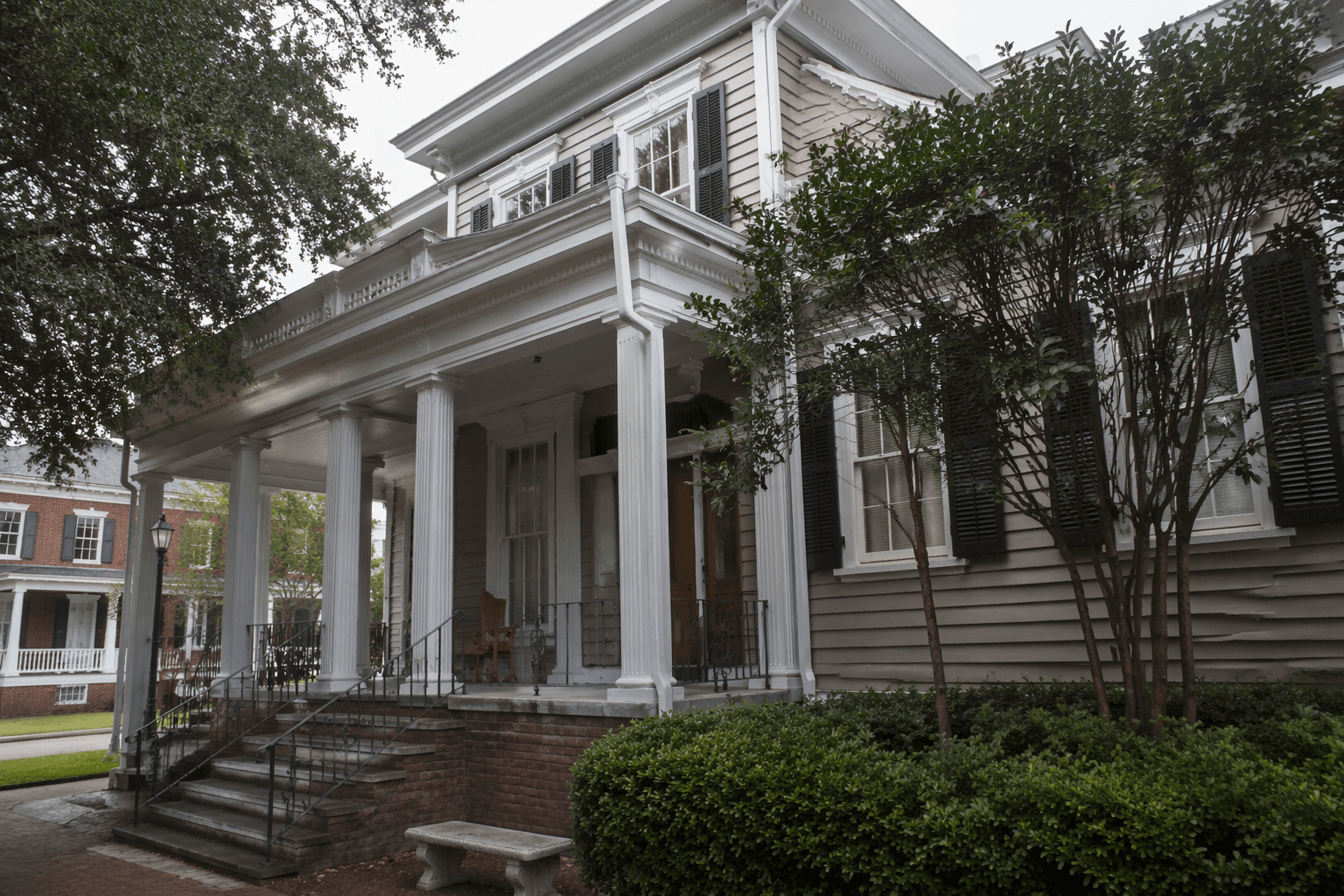
The building is as much a draw as the artwork inside it. The association says the home was built in 1880 for Phebe Gates Strawn, and local history listings describe it as a Second Empire-style mansion designed by local architect Isaac Coleman and completed in 1882. That gives the gallery a rooted architectural identity that connects the institution to Jacksonville’s late 19th-century growth.
The gallery’s access details are unusually concrete for a historic house, and that makes them useful to anyone planning a visit. There is free street parking, accessible parking behind the building, and a fully accessible first floor reached by lift from the accessible parking area. The upper floors house the Miriam Cowgur doll collection and historic Strawn furniture and memorabilia, but those spaces are not accessible because of the property’s historic nature. The building therefore serves two purposes at once: it preserves the scale and layout of an old home while still making the main public space usable.
The second floor has been renovated and furnished in keeping with the late 1800s, which adds another layer to the visit. It is not only a gallery setting but an interpreted house, one that gives visitors a sense of how domestic space, local history and cultural display overlap in a small-city landmark.
Collections that turn memory into public use
The permanent collections are where the gallery’s civic role becomes especially clear. One is the Miriam Cowgur Allen doll collection, which William Allen donated in 1985 in memory of his wife, Miriam Cowgur. Another is a group of Mediterranean artifacts donated in 1988 by Charles Prentice Thompson, including items such as a Greek krater and an Etruscan sarcophagus cover. A third is the Mississippian Indian Pottery Collection, which the gallery says is documented in a brochure available for purchase.
These are not random display cases. Together, they give the gallery a stable body of material that can support education, conversation and repeat visits while connecting Jacksonville to wider histories of art, trade and craft. The doll collection, the Mediterranean pieces and the Native American pottery each offer a different way into the idea that a local gallery can function as both a classroom and a memory bank.
Why it still matters in Morgan County
The gallery’s value today is not just that it survived. It is that it still does several jobs at once in a county seat that depends on places with a clear public purpose. It provides free cultural access during its monthly openings, a dependable exhibition rhythm from September through May, and a historic venue for classes and workshops. That mix keeps art from becoming something separate from everyday civic life.
Jacksonville’s tourism materials place the gallery inside a broader heritage landscape that also includes the Governor Duncan Mansion, which is on the National Register of Historic Places. Seen that way, the David Strawn Art Gallery is part of the city’s identity system, one of the places that tells visitors and residents alike that downtown Jacksonville is more than a passing corridor. It is a place where architecture, art and local history still meet in public.
Without the gallery, Morgan County would lose a working example of preservation that does not sit still. The building would no longer host monthly openings, the association would lose a direct way to connect education and exhibition, and Jacksonville would lose one of the few cultural anchors that has remained active across generations. What remains instead is a rare continuity: a 19th-century house, a 20th-century civic deed and a 21st-century public role, all on the same block.
This article was produced by Prism’s automated news system from verified source data, official records, and press releases, then run through automated quality and moderation checks before publishing. The system is built and supervised by the people who set the standards it runs under. Read our full AI policy.
Did this article answer your question?