Franklin student expands summer meals project to feed local children
Andrew Ford’s summer meals project served 260 Franklin children in its second week, up from 196 the week before, as school-year food access ran thin.
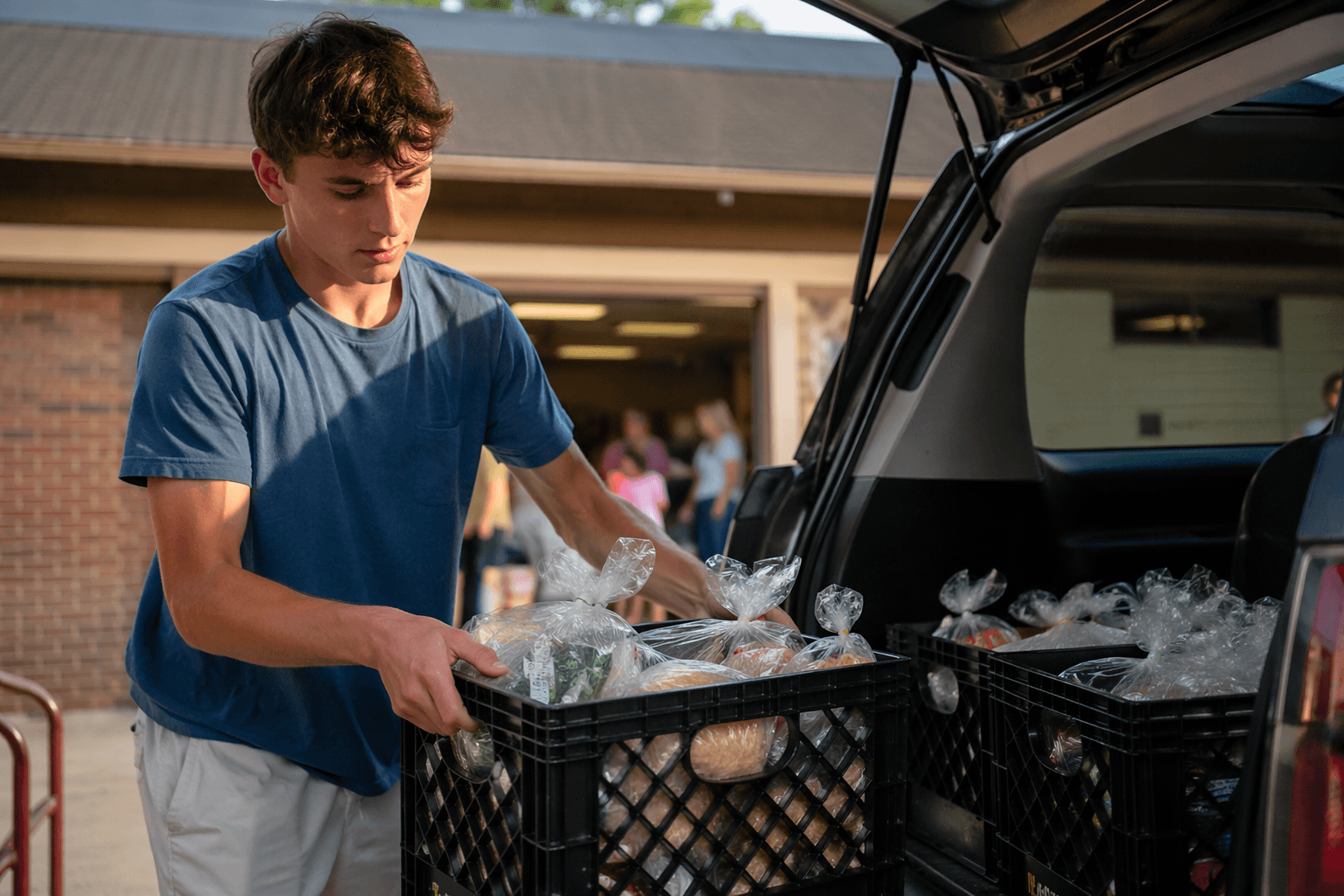
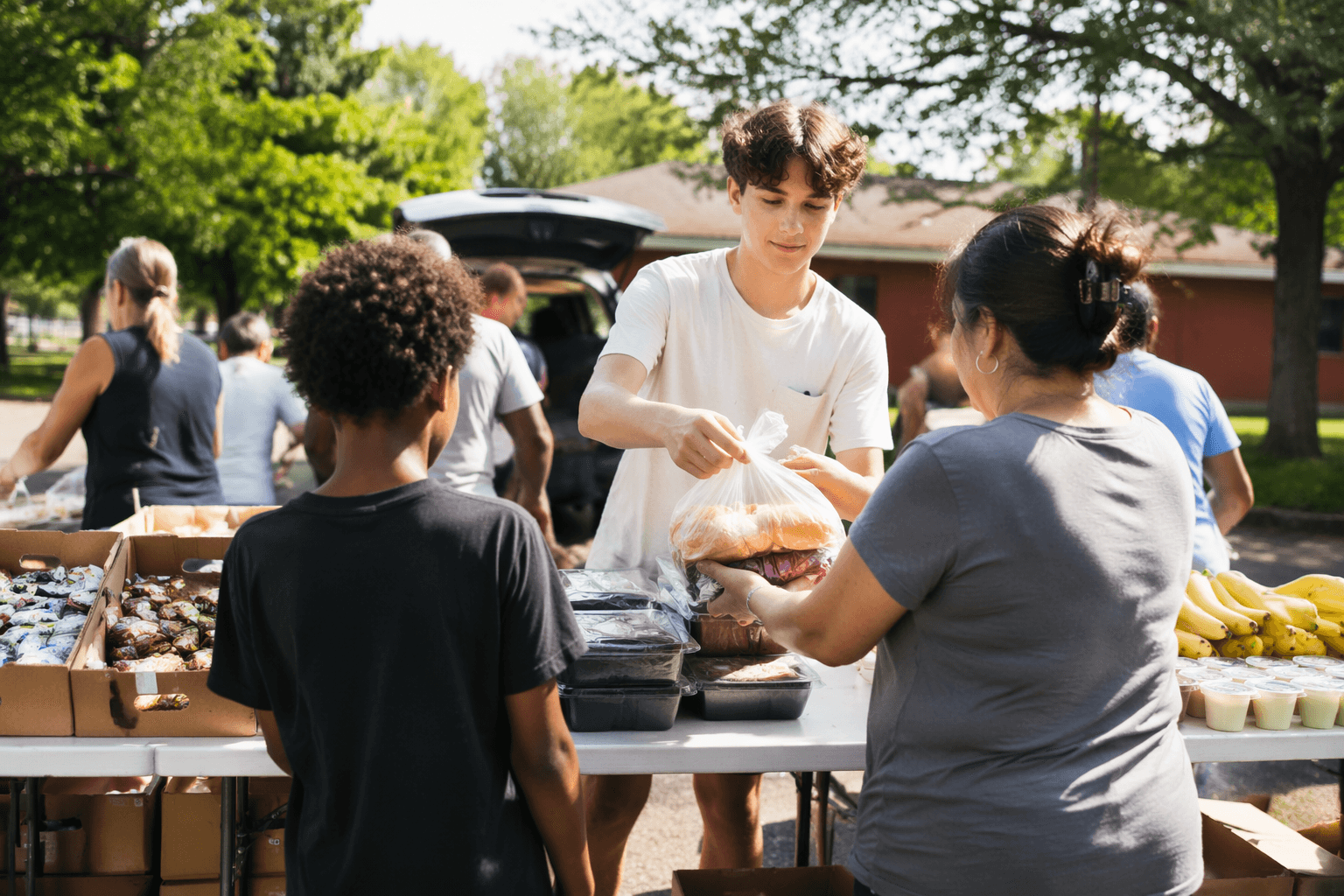
Andrew Ford’s summer meals project in Franklin served 260 children its second week, up from 196 the week before. The breakfast-and-lunch distribution was set to continue each Tuesday from 4:30 p.m. to 6 p.m. until school started in August.
Ford, who is not yet officially an eighth grader, launched the effort after seeing local families struggle with higher gasoline and grocery prices. He is counting the project as his summer community service work for his FFA record book, a requirement members complete and are judged on.
The project arrived just as Franklin’s FFA program was extended to junior high school students this spring, with the charter still newly established.
Ford and his mother, Aleece Ford, worked with the Illinois State Board of Education, the U.S. Department of Agriculture, Sun Meals and the Ujima Hunger Coalition to build the distribution system. The project had no income requirement, but children had to be registered and live in Illinois. Families could register children up to age 18 to receive food packages.
The Summer Food Service Program is funded by USDA and administered by the Illinois State Board of Education. Children age 18 and under can get no-cost summer meals at approved sites. Open-site summer meal programs do not require families to meet an income cutoff. USDA's Sun Meals To-Go guidance allows approved rural sponsors to provide up to two meals per day for up to 10 days per distribution.
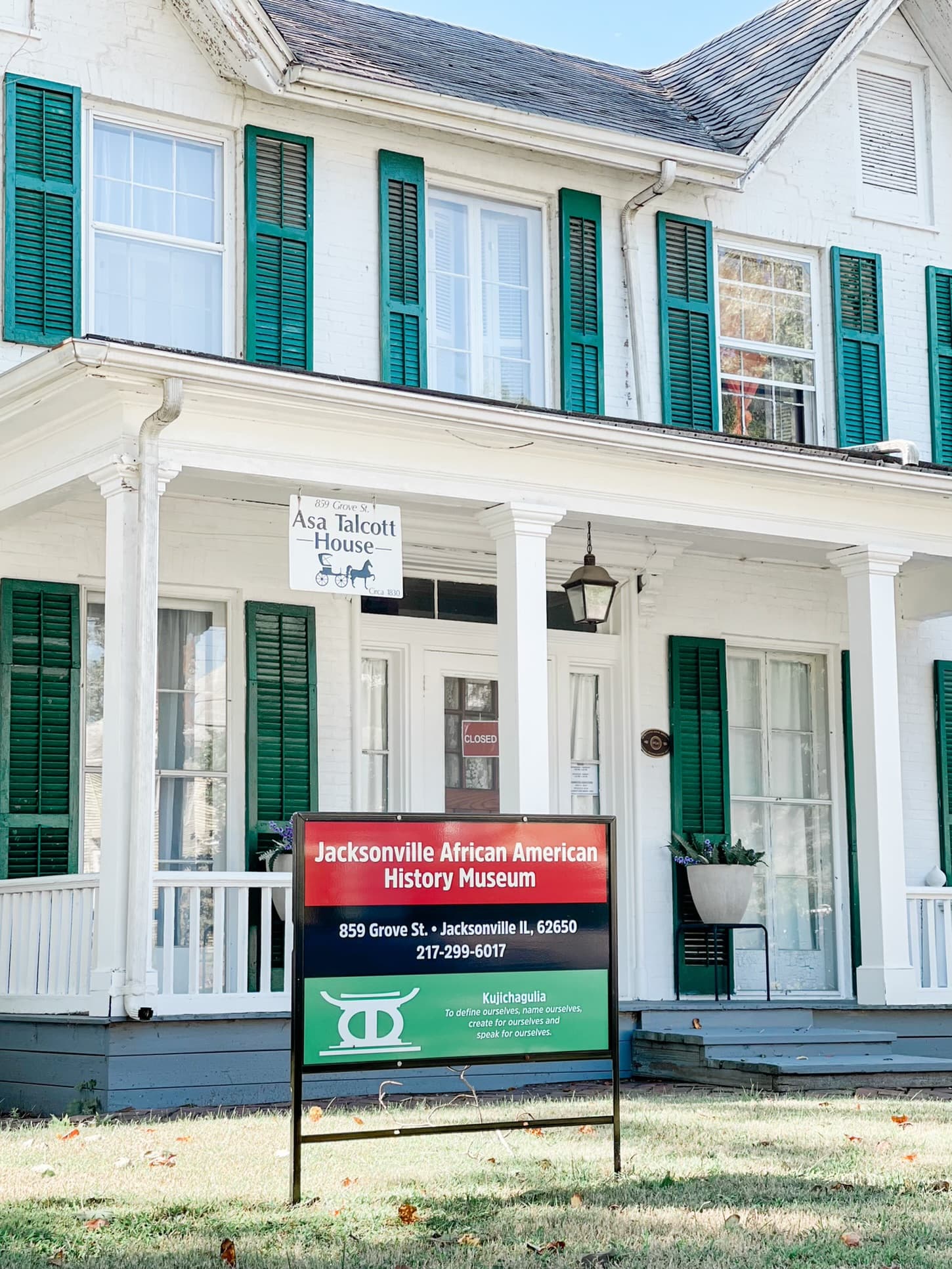
The project already drew help from Jacksonville’s Hy-Vee, which contributed items, with some food split between the giveaway and local pantries. Organizers also needed volunteers to sort and load food and keep the line moving.
Feeding America estimates Morgan County’s food insecurity rate at 13.5 percent, with an annual food-budget shortfall of about $3.083 million in a county of roughly 33,021 residents. Ford’s project offered a direct answer for a place where summer food access can be uneven.
This article was produced by Prism’s automated news system from verified source data, official records, and press releases, then run through automated quality and moderation checks before publishing. The system is built and supervised by the people who set the standards it runs under. Read our full AI policy.
Did this article answer your question?