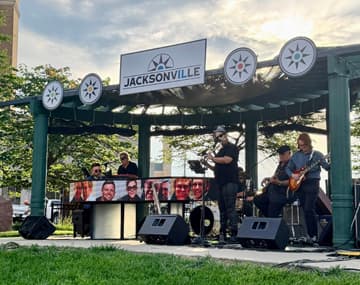
Jacksonville African American History Museum set to reopen after renovation
The museum’s reopening brought the Asa Talcott House back to public view, with slavery-to-Civil Rights exhibits inside one of Jacksonville’s oldest Underground Railroad sites.
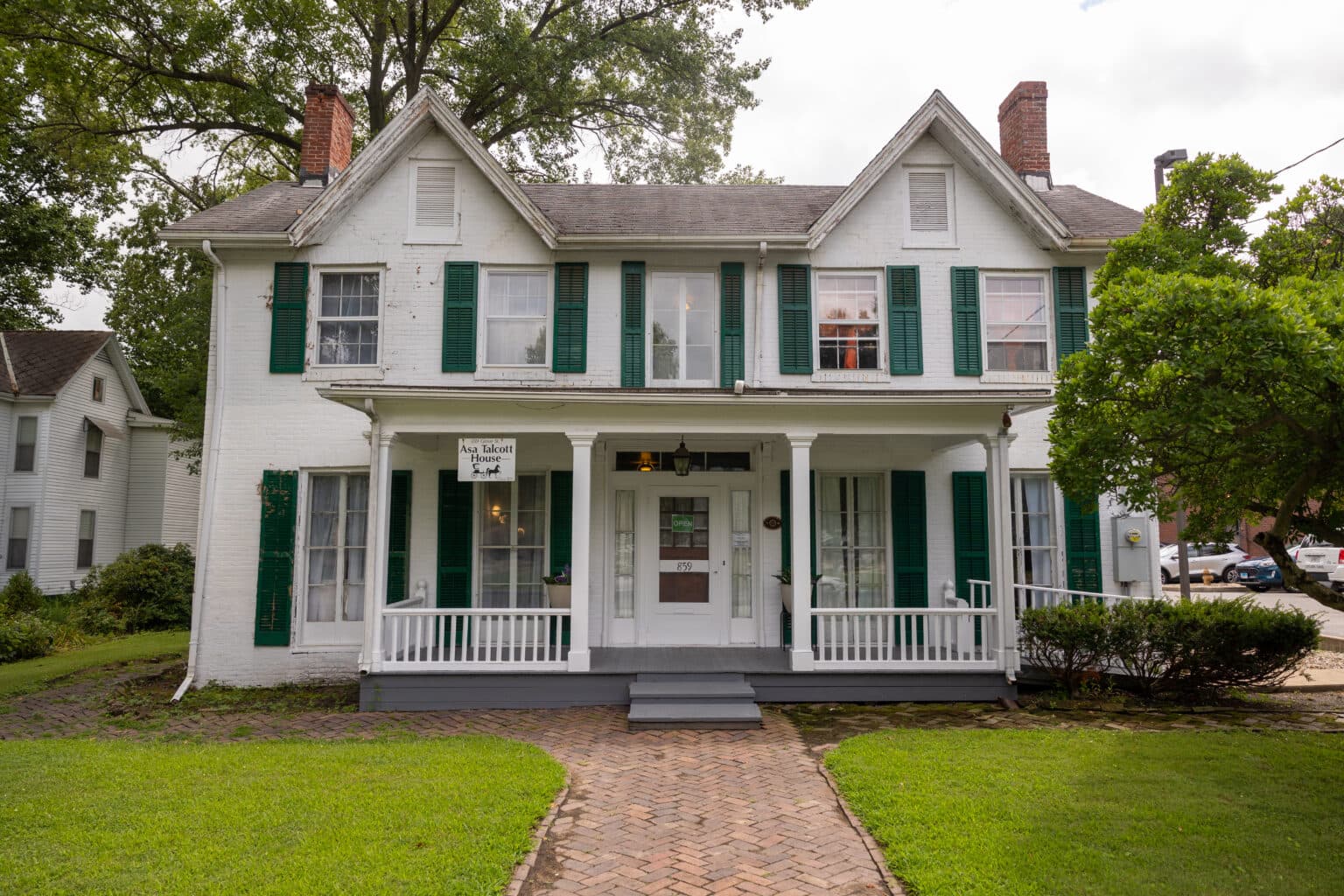
After renovation work wrapped up inside the Asa Talcott House, the Jacksonville African American History Museum reopened at 859 Grove Street, returning one of Jacksonville’s oldest Black history landmarks to public view. The nearly 200-year-old building, built by 1833 and long tied to Underground Railroad history, gave the city a restored place to see how local Black experience fits into Jacksonville’s larger story.
The museum was founded by Ruth Linear and Art Wilson, who serves as its founding executive director. Wilson acquired the former Asa Talcott House in January 2022 for $10, and the museum held its first event at the site on Juneteenth in 2023. Since then, the building has required substantial cleanup and restoration, including work on damaged areas, sanding original hardwood floors and moving room by room through the house to stabilize and preserve it. Wilson has also said more fundraising will be needed for additional brick-and-mortar projects.
Inside, the museum’s exhibits are arranged as a chronological timeline that runs from slavery to the present. The collection focuses on the Underground Railroad, Civil Rights, African American inventors and local Black history, giving residents and school groups a direct path through stories that are often scattered across archives and oral history. The museum’s tourism materials also highlight Dr. Alonzo Kenniebrew, described as the first African American in the United States to own and operate his own hospital and as a personal physician to Booker T. Washington.
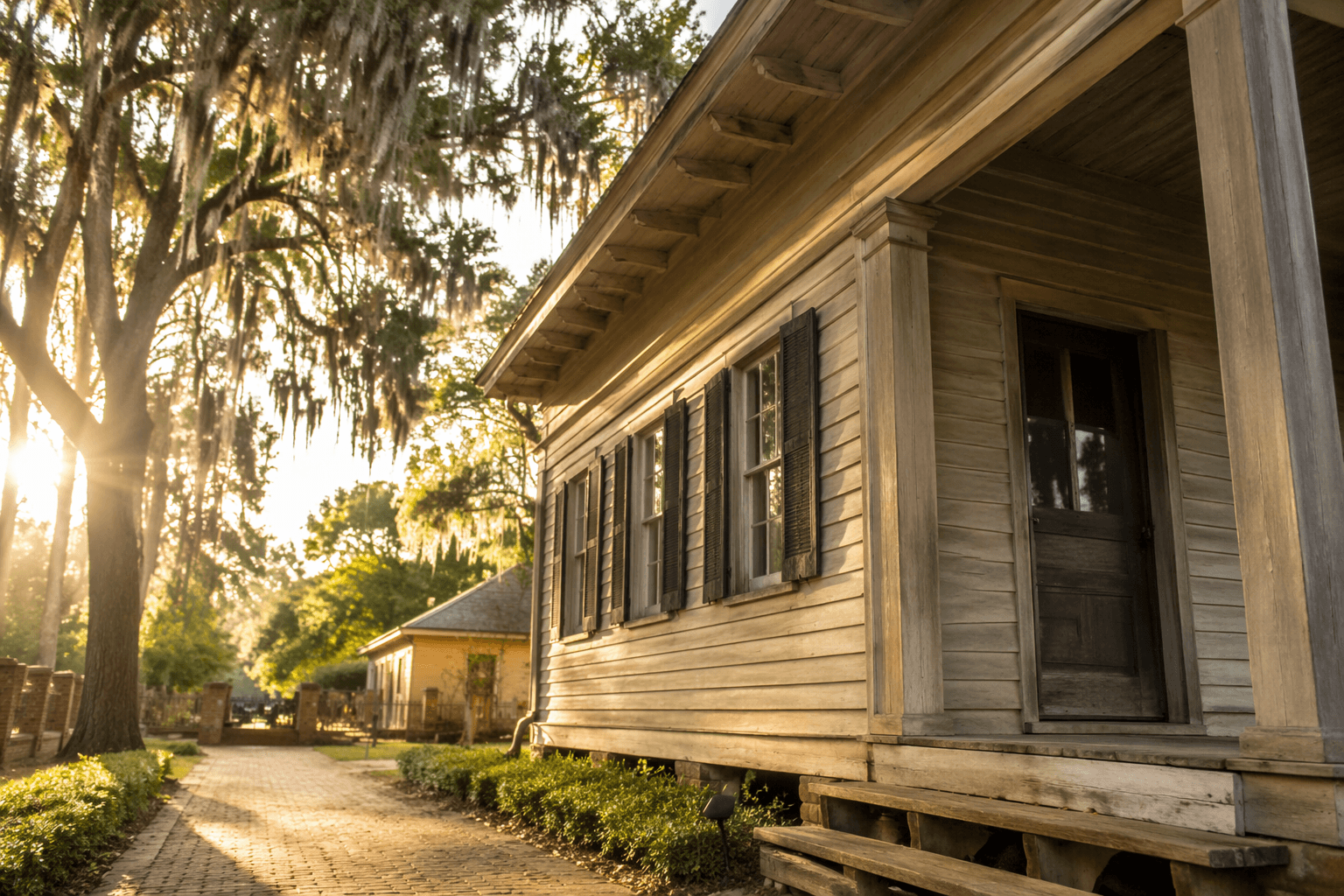
The reopening came with added meaning in Jacksonville, which marked its bicentennial in 2025. The Asa Talcott House is one of seven Underground Railroad sites in the city and is part of a historic landscape that includes the Congregational Church in Jacksonville, another place linked to the area’s abolitionist past. In Morgan County, a county of 32,915 people in the 2020 census, Jacksonville’s role as the county seat gives the museum a reach that extends beyond one neighborhood or one family line.
For a city built on layers of memory, the restored museum does more than preserve a structure. It reconnects Jacksonville residents with a house that has stood since the early 1830s and places Black history at the center of the community’s living identity.
This article was produced by Prism’s automated news system from verified source data, official records, and press releases, then run through automated quality and moderation checks before publishing. The system is built and supervised by the people who set the standards it runs under. Read our full AI policy.
Know something we missed? Have a correction or additional information?
Submit a Tip