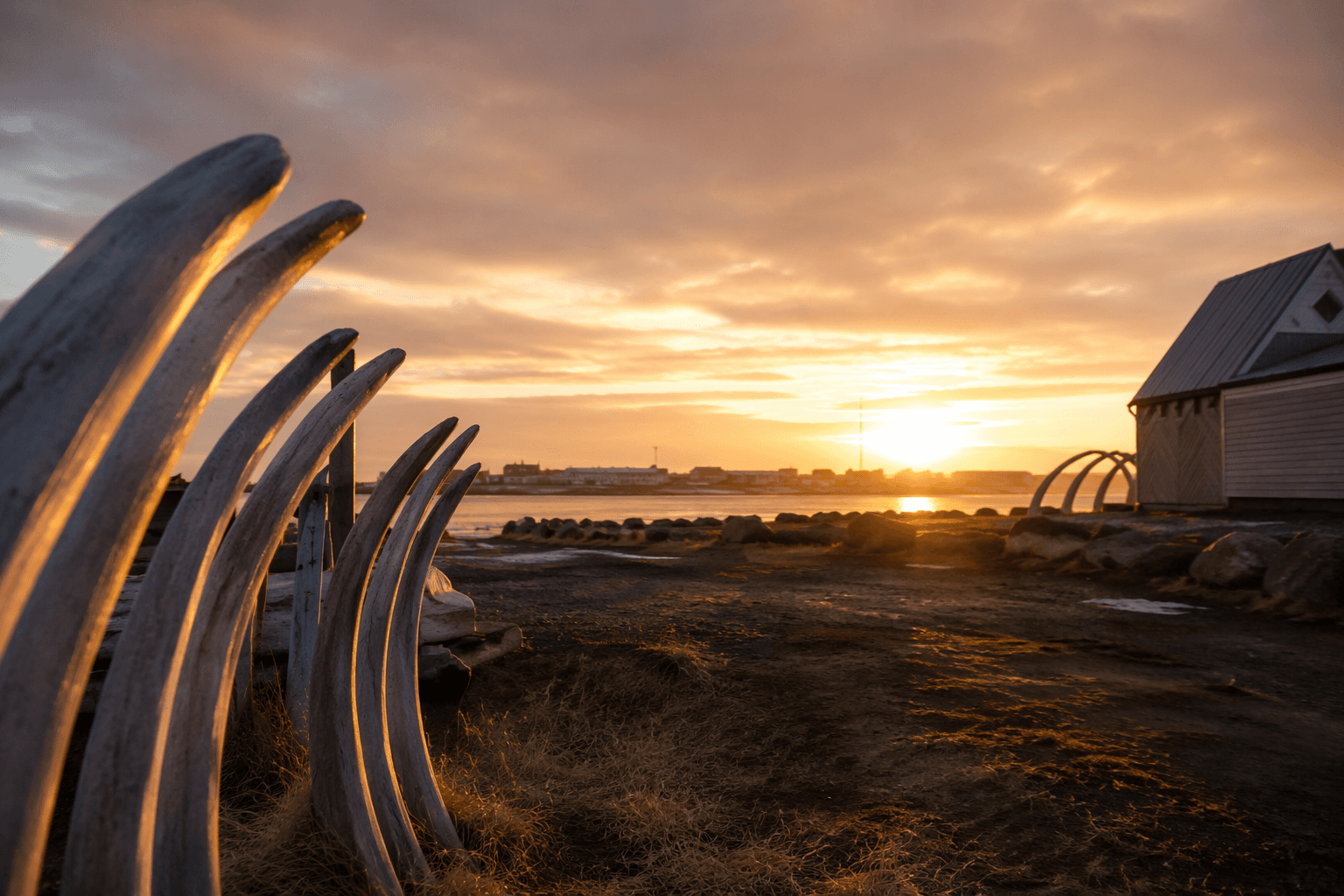
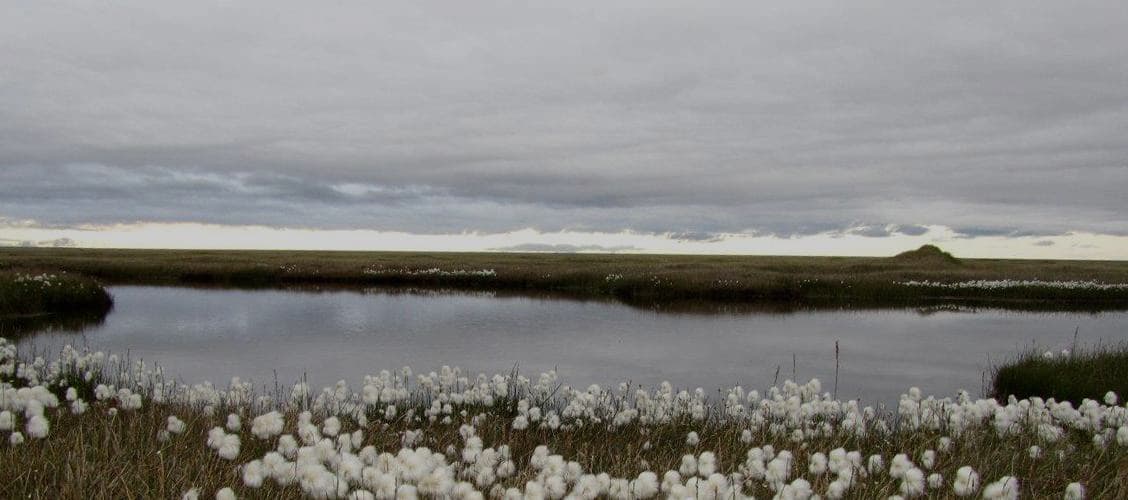
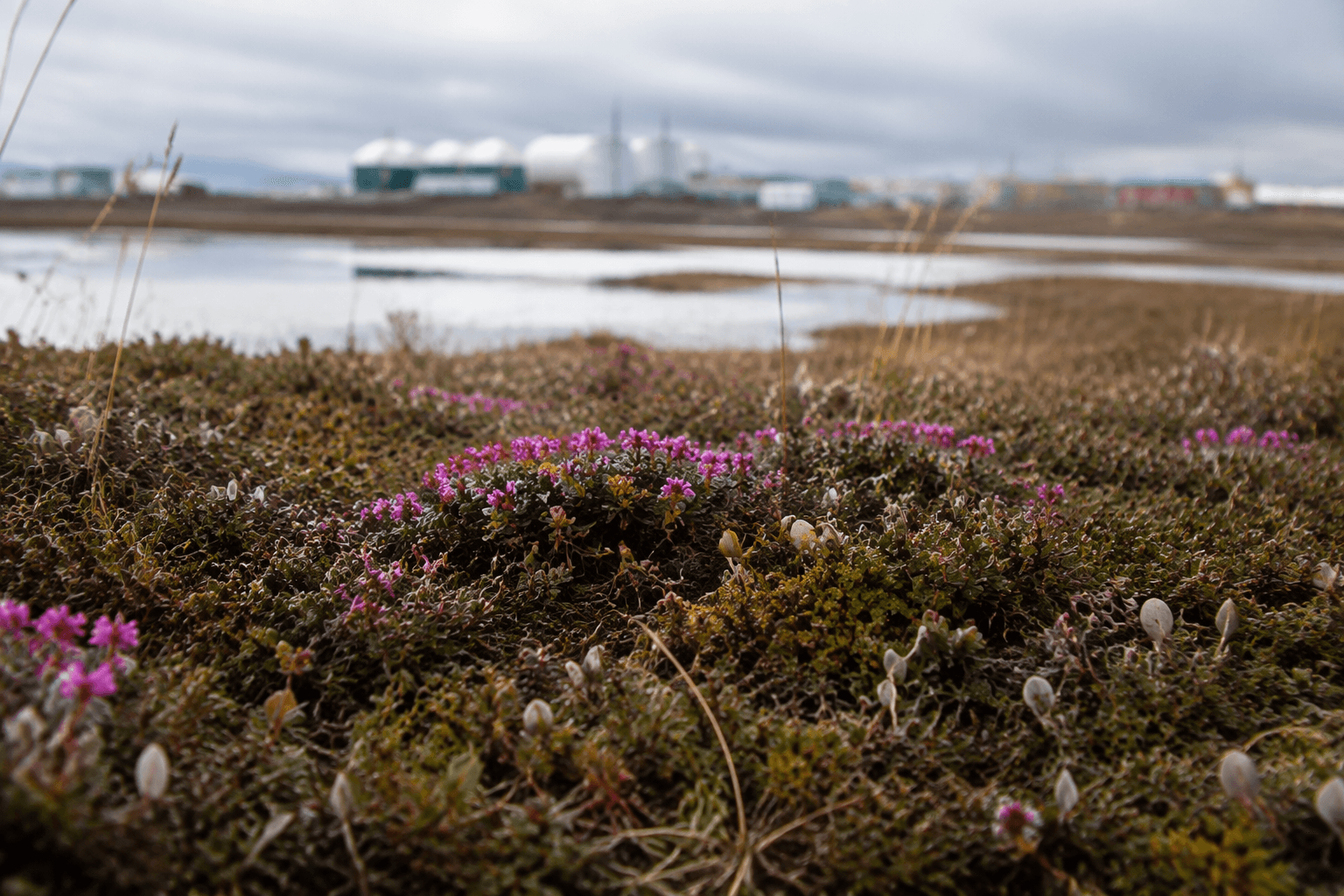
Anaktuvuk Pass history shows Nunamiut settlement within living memory
Anaktuvuk Pass’s Nunamiut settled into village life less than 50 years before the borough handout was written, and thousands of sites still map the older land-based life.
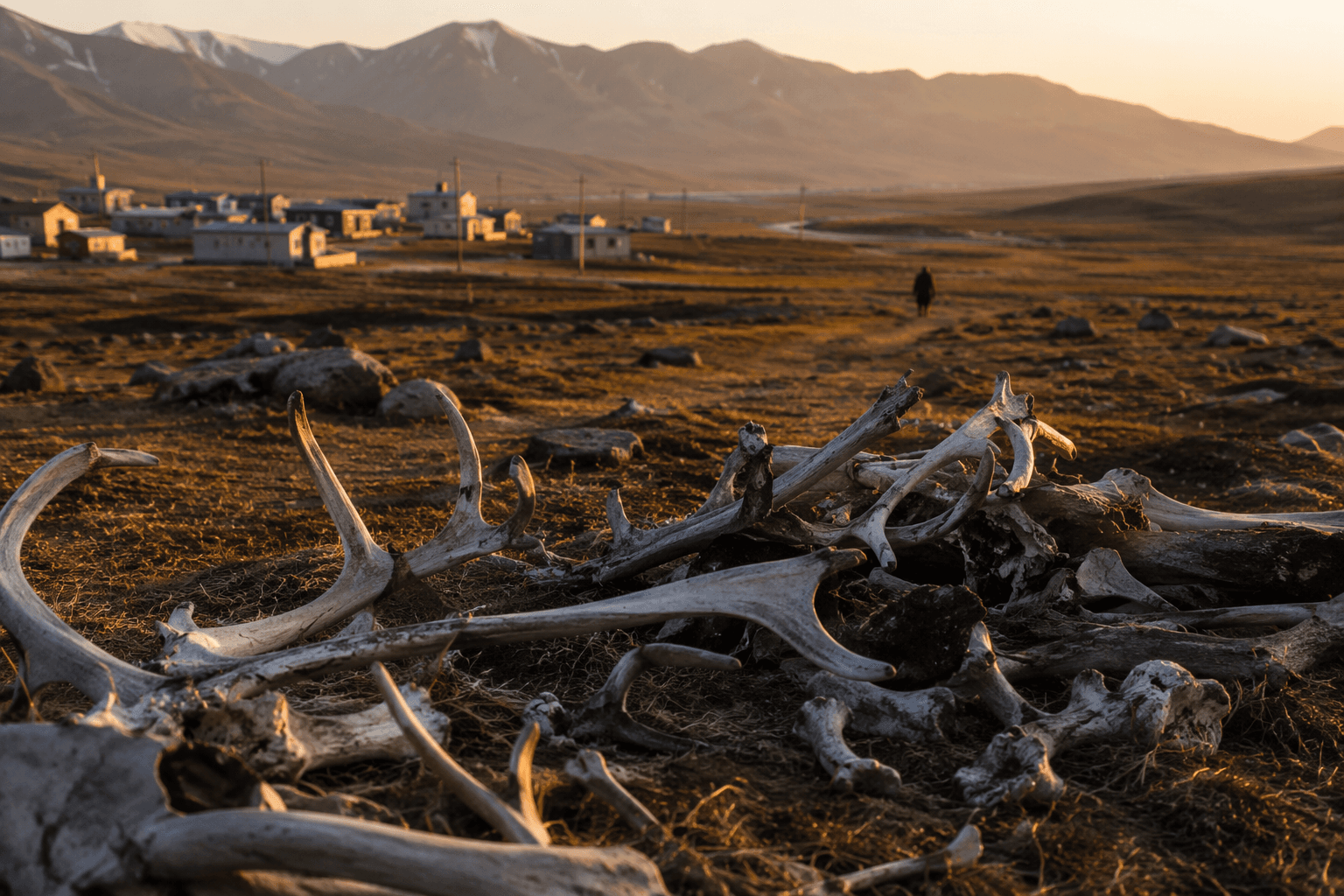
Anaktuvuk Pass carries a recent settlement story that still sits inside living memory. The North Slope Borough says the Nunamiut were virtually the last of North America’s once nomadic people to settle down, and that shift happened less than 50 years before its historic preservation handout was written. Around the village, thousands of Nunamiut sites, large and small, still mark where that life was lived.
A village that formed from the land
The borough describes Anaktuvuk Pass as the last remaining settlement of the inland Iñupiat, known as the Nunamiut, and places it at the heart of the Brooks Range. By the 1940s, several Nunamiut families had returned to their ancestral homeland in the mountains, a reminder that the move into permanent village life was not distant prehistory but a change that unfolded within the twentieth century.
The geography explains why. Anaktuvuk Pass sits on a divide between the Anaktuvuk and John rivers, at the summit of a broad glacial valley cutting through the Brooks Range. The borough says the village lies along an ancient migration route followed by caribou and the people who follow them for centuries. Even the name reflects that relationship, with the borough explaining Anaktuvuk Pass as meaning “the place of caribou droppings.”
For a community of 363 people, the setting is not just scenic background. Public community materials place the village about 250 miles northwest of Fairbanks and about the same distance southeast of Barrow, underscoring how remote it is and how closely daily life remains tied to the land around it. In that landscape, preserved places are not decorative markers. They are evidence of where families traveled, hunted, camped, and returned.
What preservation protects across the Brooks Range
The borough’s preservation handout points to thousands of Nunamiut sites across the landscape, which changes the way the community’s history has to be understood. Preservation in Anaktuvuk Pass is not focused on one landmark or one building. It covers camps, routes, places of use, and the scattered traces of a highly mobile way of life that still shapes how residents understand their home country.
That wider record matters because it links settlement history to land-use knowledge. The same country that supported caribou movement also preserved the routes and habits of the people who followed them, and those place-based memories help explain how the Nunamiut moved, gathered, and adapted over time. The Library of Congress has documented the Anaktuvuk Pass Settlement Site, known as Nagsrak, in a Historic American Buildings Survey addendum, showing that the village’s built environment and settlement history already sit inside the broader historic record.
The borough’s framing also reaches farther back than the village itself. Its preservation language connects the Nunamiut story to older hunting traditions, including references to Paleolithic ways of living. That makes the land around Anaktuvuk Pass part of a continuum, not a backdrop, and it gives the community a documented basis for protecting places that are easy to overlook if history is reduced to one museum or one generation.
Why the record matters for identity, schools, and planning
Preservation in Anaktuvuk Pass is tied to community identity because so much of the record lives in memory as well as in the ground. The borough’s Department of Iñupiat History, Language, and Culture says its oral history program documents, preserves, and perpetuates the region’s cultural heritage in all North Slope communities. In a place where the shift to permanent settlement is so recent, oral history is not supplementary. It is one of the main ways younger residents learn how families lived before and after the move into the village.
That makes preservation an education issue as much as a heritage issue. Elders’ stories, the names of sites, and the knowledge of routes and seasonal use all help anchor school learning in local reality. They also inform borough decisions, because the North Slope Borough’s history, language, and culture planning work shows that preservation is part of governance, not just museum work. The borough has served as a certified local government for historic preservation since April 20, 1987, which places these questions inside local planning and review.
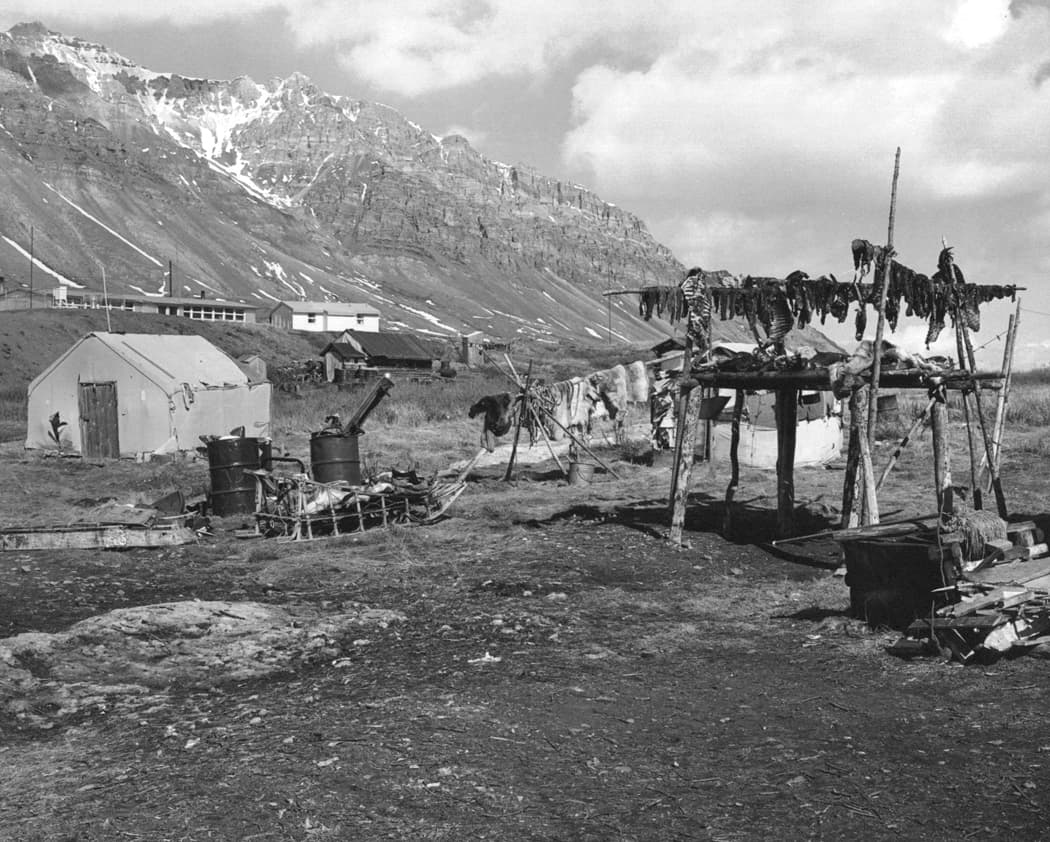
The stakes become clearer when you look at repatriation and community memory. In 2022, elders returned the remains of a Nunamiut man to the village, a reminder that heritage work in Anaktuvuk Pass is active, emotional, and still central to community life. Preservation here is not about freezing the past. It is about deciding which places, objects, and stories will still be available to teach the next generation where they come from.
Museums, repatriation, and a living archive
The Simon Paneak Memorial Museum gives that work a physical home. The borough describes it as a combination local history and ethnographic museum in Anaktuvuk Pass, housed in a log structure on high ground overlooking the community and the summit panorama. Public sources place its establishment in 1986, making it one of the village institutions that formalized the community’s own record of itself.
That museum also sits inside a broader preservation network. The Alaska Journal of Anthropology described the Anaktuvuk Pass Kayak Project as a cooperative effort involving the University of Alaska Museum of the North, the Simon Paneak Memorial Museum, and the Anaktuvuk Pass community. The project aimed to re-cover a Nunamiut kayak, or qayaq, in the University of Alaska Museum of the North collection, showing that preservation in this community is not only about display cases. It is also about restoring relationships between objects, families, and place.
The result is a layered archive spread across the village, the museum, and the hills beyond it. In a settlement where the last generation to live fully mobile lives is still within recent memory, losing a site or a story would not just remove a line from the record. It would weaken the evidence that ties today’s village to the thousands of earlier places that made Anaktuvuk Pass what it is.
This article was produced by Prism’s automated news system from verified source data, official records, and press releases, then run through automated quality and moderation checks before publishing. The system is built and supervised by the people who set the standards it runs under. Read our full AI policy.
Did this article answer your question?